The Grasshoppers are Here and Guess What I did?

This in not an official U.S. Department of State (DOS) blog and the views and information presented are my own and do not represent the Fulbright Program or the DOS.

Yes, I actually ate one and I have survived!

Grasshoppers: fried and salted they are crispy little critters- just pop them in your mouth but try not to look at the eyes!

Grasshoppers: fried and salted they are crispy little critters- just pop them in your mouth but try not to look at the eyes!

OK, let me tell you the story.  Since I’ve been coming to Uganda in Summer 2011, I’ve heard about the local delicacy of grasshoppers.  I’m not sure how it originally came up because it wasn’t grasshopper season, but it did during a local feast held at the end of our first successful trip to Uganda.  While we were munching away on other, more normal foods, someone started talking about grasshoppers.  All of the Ugandans raved about them. It is funny because as soon as you ask almost any Ugandan about whether they like grasshoppers, they get this cute smile on their faces and say something like “oh yeah!”  In fact, today is the first time ever that I’ve found a Ugandan who actually doesn’t like them. And his face looked exactly like mine probably did when I first learned about them- all squished up and a little nauseated. Anyway, that first summer, one of the Americans at the party who had lived in Uganda for a year or more quickly spoke up and said he really liked them too, and that they tasted a little like shrimp.  I was told that the “season” usually occurs in late November or December. In the villages, when someone notices the grasshoppers swarming, they run throughout the town calling “Nsenene, Nsenene”!! (pronounced sin-nee-nee) Then all the people stop working and run to where they are and start trying to capture them. One of the most common ways, and I guess this must be done in the evening, is to get a piece of metal and hold it above a large container of water. Then you shine a light at the metal which causes a reflection to draw the attention of the grasshoppers. They fly straight into the metal and get knocked out and fall into the water. They are scooped up, their wings are pulled off, and then they are dumped into a frying pan.  You apparently don’t need any oil because there is a lot of fat that dissolves out of the grasshoppers as they cook.  I’ve been told people usually like them either fried really crispy or some like them soft and mushy in the middle but crispy on the outside.  You can also throw in diced green pepper and onions for an extra tasty treat.

The one I ate yesterday was fried nice and crispy with the perfect amount of salt (see the picture). My housemate, Monty, tried them first, before I came home from the Pharmacy School.  When he told me they weren’t bad, and in fact, they were pretty good, I decided that I needed to have the guts to try them too. So, I built up my courage and then got out the container. Wow- I wasn’t expecting the eyes to be still on them. That took me by surprise and I almost lost my courage. But, not to be out done by Monty, I just had to do it. So, I got 2 bottles of water, just in case it was horrible, and opened them and sat them next to the container on the counter. Then, I quickly picked up a grasshopper and tossed it in my mouth. I started crunching it up very quickly and I wish I would have given Monty the camera to take my picture because I’m sure it was a site to see. Although I was squeamish about the act of chewing up the grasshopper, it actually didn’t taste bad at all- just different. It wasn’t a displeasing taste.  The outside was crunchy and reminded me of the hulls on pumpkin seeds that we eat after roasting them in the oven.  The inside was a little soft but not at all mushy- thank goodness! And, I agree that it tasted a little like shrimp.  So, I survived and will probably eat some more in the future but I’m not sure that I am anywhere near saying that this is a delicacy for me. But, who knows… Maybe they will grow on me….

Posted in Diseases/Health, Fulbright Specialist Project, My Safari (My Journey/Adventure) | Tagged , , , , , , , , | Leave a comment

Planning the Next Steps for Advancing Pharmacy Practicein Uganda: Part 1

This in not an official U.S. Department of State (DOS) blog and the views and information presented are my own and do not represent the Fulbright Program or the DOS.

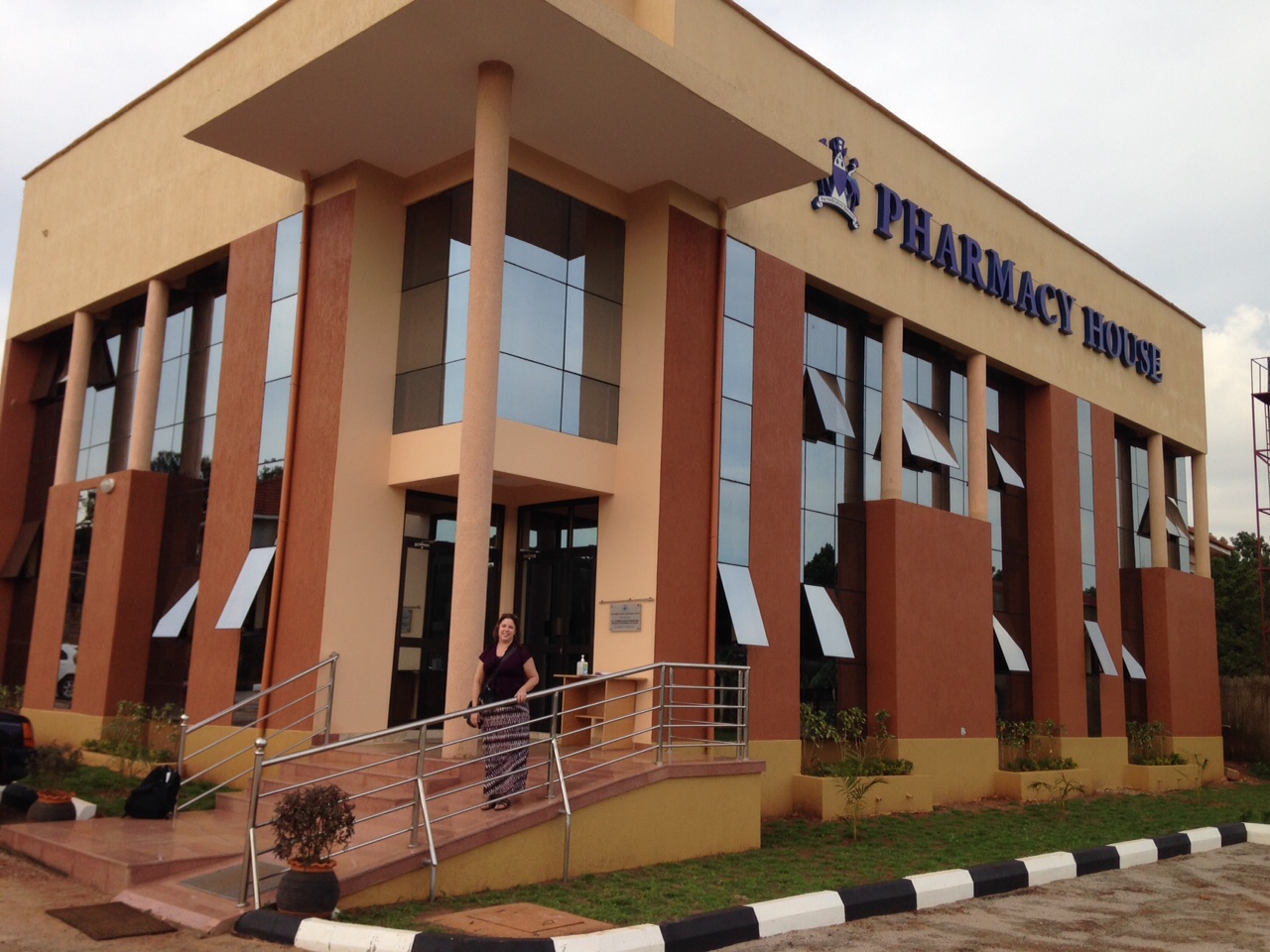
This is the newly built Pharmacy House and Drug Research Center of the Pharmaceutical Society of Uganda- It is quite beautiful!

This is the newly built Pharmacy House and Drug Research Center of the Pharmaceutical Society of Uganda- It is quite beautiful!

I spent yesterday working on planning the next steps in the process to Advance Pharmacy Practice in Uganda.  The Professor and I have had numerous talks during this trip and in prior ones, but now the time has come to put it down on paper and start seeking approvals from the appropriate stakeholders.  I’m so happy to say that the first conversations have started off well.  The biggest part of the plan that needs both approval and funding is the need to develop the skills of practicing Ugandan Pharmacists who can then begin to work in the healthcare setting to develop a clinical practice site.  A Clinical Practice Site is a facility or even just a ward of a hospital where a Pharmacist’s job description provides for working directly with the patients, physicians, and other healthcare providers for the purpose of improving patient care outcomes.  These duties do not include administrative work such as managing staff or the drug supply chain management, and often don’t include basic dispensing.  The latter can be done by trained support staff and the former is best accomplished by Pharmacy Administrators who have been trained in Management.  Preferably this practice site will be Mulago National Referral and Teaching Hospital for a number of reasons.  First, it is the largest teaching hospital in the country. It is also the primary training facility for all healthcare providers; it is in Kampala, and perhaps most of all, I believe small and easy changes that Pharmacists can implement will make a huge difference in the care of patients and will also reduce drug expenditures.  The things I’m referring to include activities like talking with and reviewing the patient’s medical charts to be sure their drugs are given in doses that are appropriate to treat infections or other conditions without putting the patient at risk for toxic effects.  Pharmacists can evaluate patients and determine their risk of developing other problems in the hospital like blood clots (DVTs), stress ulcers, and new infections and can recommend therapy to help avoid these.  Acquired additional problems while in the hospital are one of the main reasons patients can have prolonged length of stay, which puts a drain on the healthcare system and is also not pleasant for them.  Pharmacists can help manage the blood sugar of diabetic patients so that high blood sugar doesn’t impair healing or a quick recovery.  One of the most important things that I have a special interest in is the appropriate use of antibiotics, called Antimicrobial Stewardship. If Pharmacists were allowed the time to help Physicians both make decisions about initial antibiotic therapy and also changing therapy based on the culture results and the patient’s response, not only do patients heal faster and go home but the hospital can also save money and drugs for the patients that need it.  It is quite common for Mulago to run out of certain antibiotics or other drugs and have gaps of days to weeks, at times, before the drugs are restocked.  If drugs were used more appropriately in the first place the supply shortages would be diminished.

I want to be clear that I am not saying the Physicians or other healthcare providers are making wrong decisions or don’t have the abilities to do these things but that as we’ve clearly learned in the USA, the best healthcare is provided when there is a team approach with many healthcare providers looking out for the patients in the special ways we are trained.  Doctors have traditionally been the lead manager of the patient’s illnesses and this is still basically true, but as any CEO or Executive Director relies on the expertise of his well-chosen staff around him to help advise him on important decisions, so can the adjunct healthcare professionals such as Pharmacists, Nurses, Therapists, Social Workers, etc. play a very important supportive role.  In the USA, we have many cases where Pharmacists even take a larger responsibility for the management of certain healthcare problems for patients who require regular medications for chronic diseases such as Diabetes, Hypertension, Heart Disease, etc.  Again, our role is in no way to supersede the Physician or diagnose such conditions. We act in a supportive role to provide more time for the Physicians who have to see large numbers of patients a day in their practices or at the hospital.  Instead of the Physician having to take time educating the patient about medications or helping to figure out how the patient can manage to pay for drugs the government isn’t able to provide, the Pharmacist can do this.  And when patients simply can’t afford drugs, the Pharmacist can help identify alternatives for the Physician.  All healthcare providers have different areas of expertise and only when this is leveraged using a team approach (commonly called Inter-Professional Practice), will patient health outcomes be improved.

This is the dedication plaque on the side of the new house of PSU opened just recently.

This is the dedication plaque on the side of the new house of PSU opened just recently.

So to start working towards developing the skills of already practicing Pharmacists, you may remember, if you’ve been following my story for awhile, I along with a partner faculty member at D’Youville School of Pharmacy in NY, hosted 2 Ugandan Pharmacists in the USA for 8 weeks in the fall of 2013.  They participated in an advanced Pharmaceutical Care Experiential Program where they worked with us at our hospitals to learn the role of a Clinical Pharmacist and the skills to do this back here in Uganda.  Both Pharmacists, Vicky and Patrick, found the program quite worthwhile and highly recommended it be repeated in the future.  (See blog entries from March 2014 for more information.)  Because the FSP Grant brought me to Uganda for 3 trips this year, the program hasn’t been repeated yet. Last night, though, Professor Odoi and I had a very successful meeting with Sam Opio, the Secretary of the Pharmaceutical Society of Uganda (PSU).  This meeting officially launched the planning stages, pending final approval from my Administration at Wilkes University and the Council of the PSU.  The plan is to again bring 2 Ugandan Pharmacists who have some knowledge and skills in Pharmaceutical Care AND a passion for working with Patients and other Healthcare professionals to the USA for 8 weeks to work with me at my hospital practice site in Wilkes-Barre, Pennsylvania.  This would take place in June and July 2015.  In addition, we are hoping to find an opportunity for them to put the new skills to work right away upon return to Uganda in a dedicated Clinical or Ward Pharmacist positions. This is still preliminary but I’m hopeful for approval by all parties so we can start to seek candidates soon.  Keep your fingers crossed for us. 🙂

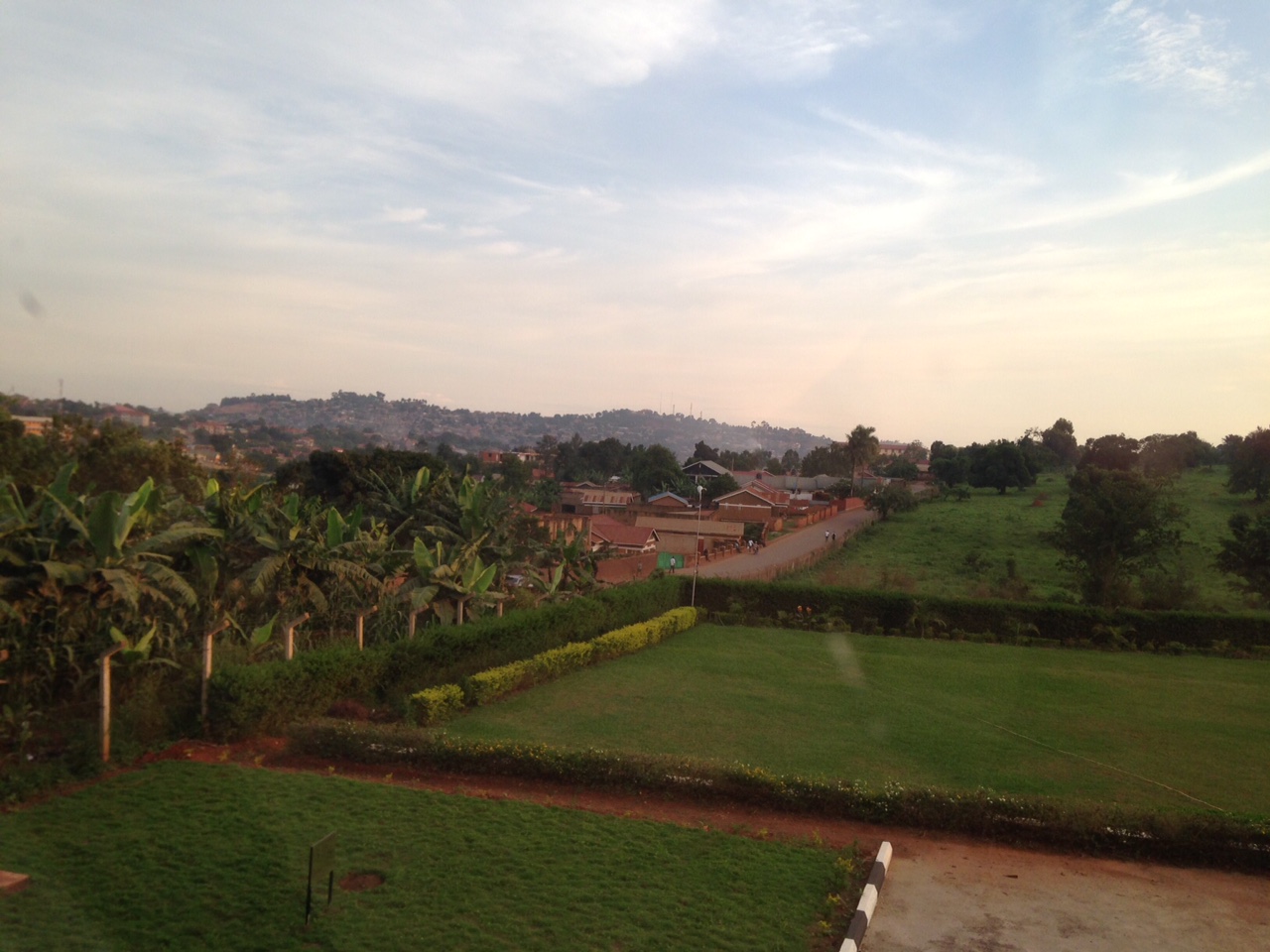
This is the scenic view of Kampala from the second floor windows of the Pharmacy House.

This is the scenic view of Kampala from the second floor windows of the Pharmacy House.

Posted in Diseases/Health, Fulbright Specialist Project | Tagged , , , , , , , , , , , , , , | Leave a comment

My First OSCE In Uganda Was a Success!

This in not an official U.S. Department of State (DOS) blog and the views and information presented are my own and do not represent the Fulbright Program or the DOS.

It is hard to believe I’m already into my 3rd week here in Kampala on the last of my official Fulbright Specialist Program (FSP) Visits.  Although the grant was small, it has really helped me to really move forward my collaboration with my Ugandan partners to help them Advance Pharmacy Practice in Uganda. The FSP itself has only supported me for 6 weeks of the total of 12 weeks that I will have spent in Uganda, by the time I head home on November 23.  It is the support of Professor Odoi and Makerere University who have engaged in this vision with me that has provided the extra weeks of lodging and in-country transportation.  I am truly thankful for this opportunity!  Unfortunately, the FSP can’t be renewed and in order to take the project to the next level and maintain growth, I will have to find alternative funding.  At some point in the future I will discuss some options in another blog post.

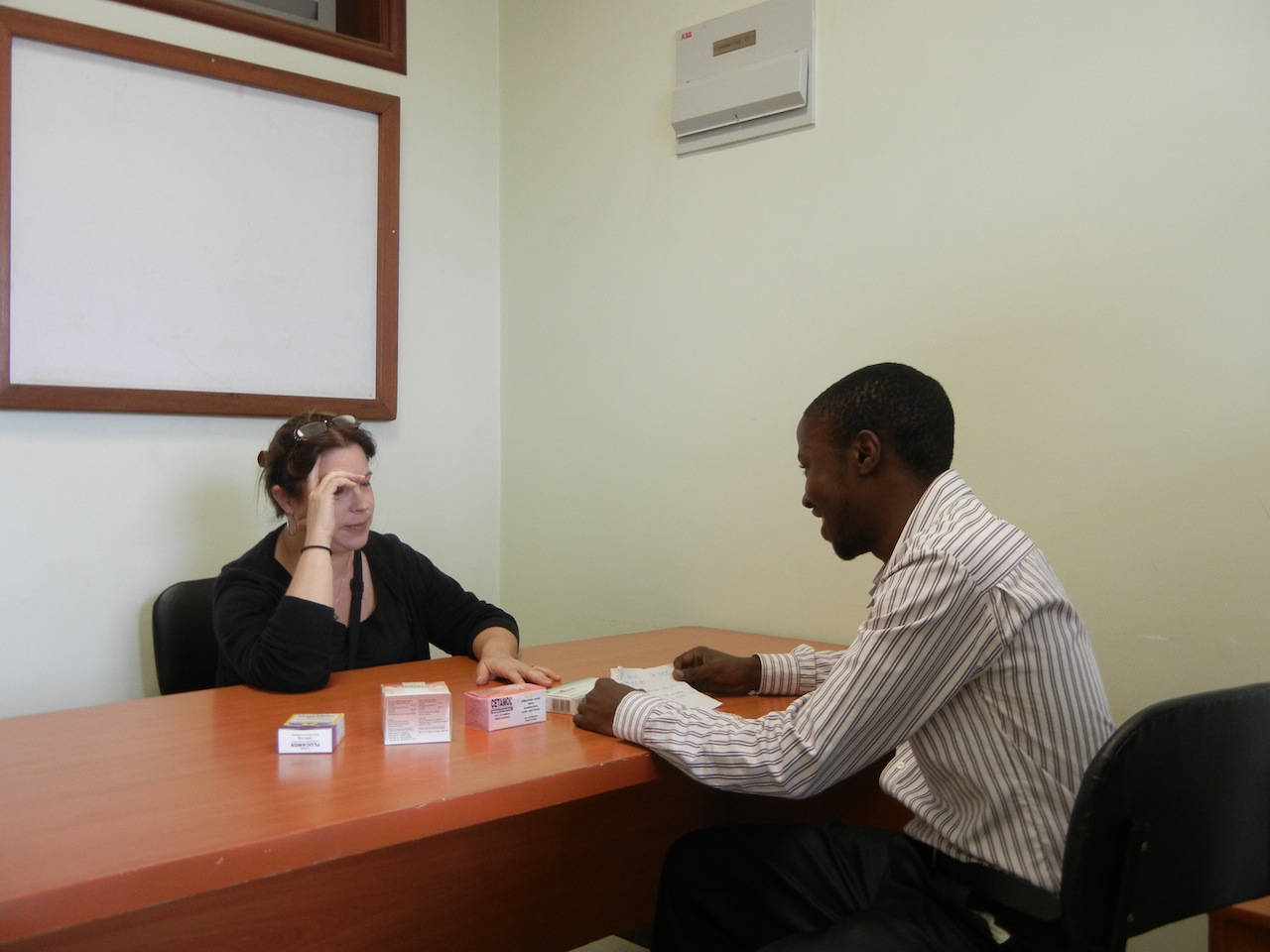
In the Practice OSCE, I am portraying, Jane, a woman of my age who has a sinus infection and headache. This wasn't too far fetched since I had just suffered a migraine over the weekend.

In the Practice OSCE, I am portraying, Jane, a woman of my age who has a sinus infection and headache. This wasn’t too far fetched since I had just suffered a migraine over the weekend.

Today I want to tell you about the Practice OSCE that another faculty member and I ran on Monday. OSCE stands for Objective Structured Clinical Exam and this is a practical exam where students are assessed on the skills and knowledge they have been learning this term through the Pharmaceutical Care Skills Lab (PCSL) I have been teaching.  Every Monday in class they are presented with different patient case scenarios and they get in groups to role-play and practice being the pharmacist who interacts with the pretend patient and or healthcare provider.  Then the pharmacy students go to the Mulago Hospital during the week and work with real patients to hone these skills and get more practical experience.  Much of the time there have been preceptors at the hospital to help with this. Either Pharmacy Interns or Pharmacists, or the faculty or the American Guest Pharmacists have worked with the students. I think that most students have had a chance to work with one of these people. But, because there are only 5 Pharmacists and about 30 Pharmacy Interns in training at the hospital (although it is a 2000 bed hospital that is always overcrowded), the students have not always been able to receive guidance as I had hoped.  Still, though, I think they are learning a lot and most of the students are committed to improving their patient care skills and the level of care pharmacists can provide.

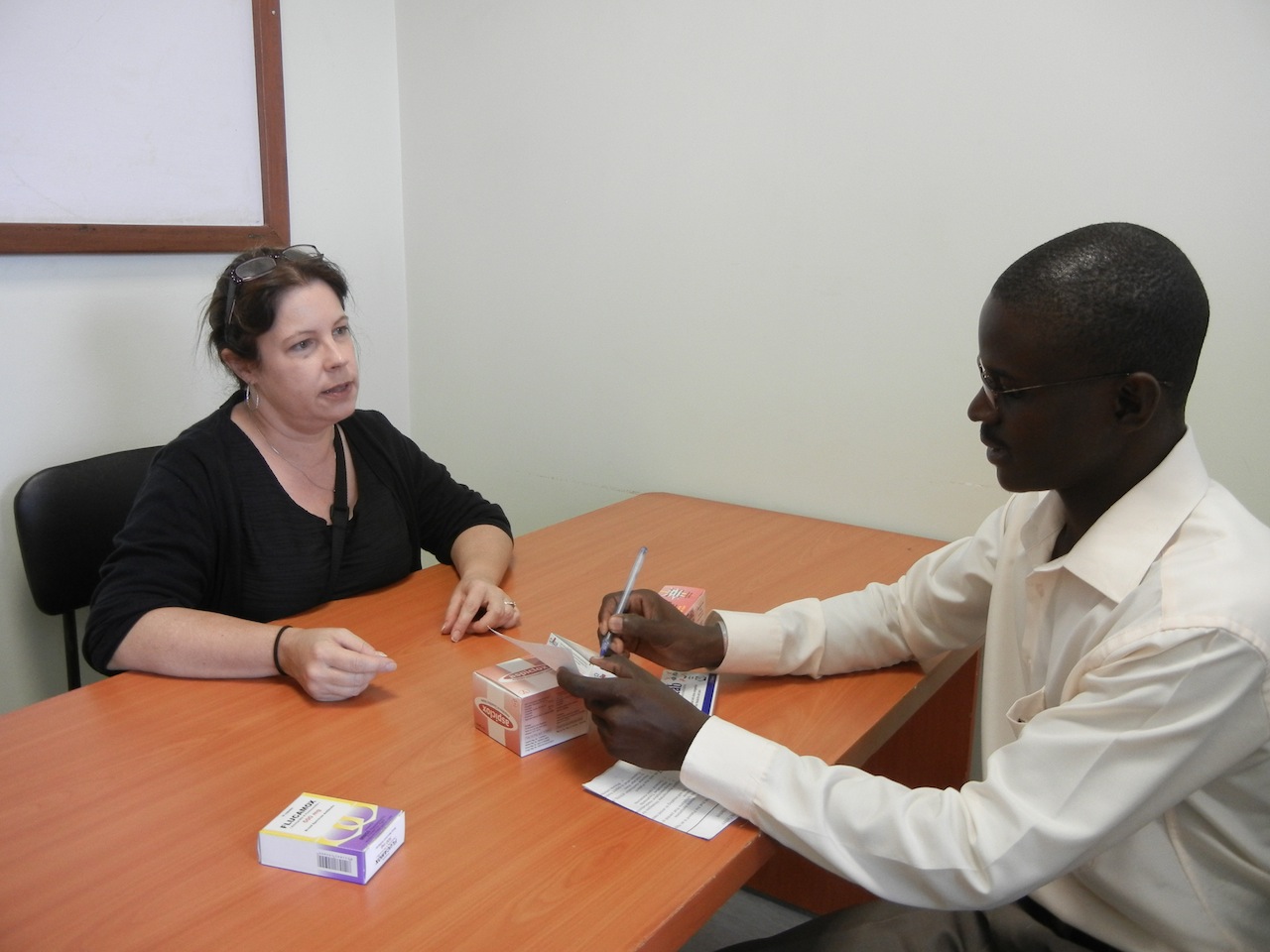
Another student portrays a pharmacist counseling the patient about the medications he just filled for her.

Another student portrays a pharmacist counseling the patient about the medications he just filled for her.

The OSCE is a way to formally assess these new skills.  Zubin Austin, from University of Toronto, who developed the method of OSCE’s, came to Wilkes University back in August to train the faculty of the Pharmacy School so we could implement this program to assess our students’ pharmaceutical care skills.  Fortunately, I was able to attend this 2 day session and have now used this method to develop an OSCE assessment for the PCSL in Uganda.  We decided to run a pilot yesterday for 2 reasons.  We wanted to first test our process and make sure the students were capable of completing each station in 7 min. Second of all we wanted the pharmacy students to “see” what this was all about so that they would be adequately prepared, and hopefully not as stressed, for the real event, which will occur at the end of next week.  The “real” event will contain 5 stations. This is the minimum Dr. Austin suggests for validity but even just 5 stations will take us 2 whole days. We need to get 75 students though each of the stations. We will have to train 5 standardized patients to accomplish this. This basically means we will have actors and actresses portray the patient using a standardized script. They will have to be taught the nuances ahead of time and try their best to replicate the scenarios exactly the same for all 75 students.  Ideally we would hire professional actors, as many US Medical Schools and Pharmacy Schools do, but we have no budget for this here in Uganda, so we will do the best we can with second year pharmacy students.  I have also had to give the faculty here a crash course in OSCE development so they can help make sure the scenarios are close to real-life and the standards are appropriate.

The practice OSCE on Monday went incredibly well and did exactly what it was supposed to do. We were able to identify some areas of weakness which will be corrected for the real event and the students got a sense of what this will be like.  Tomorrow I will be debriefing this OSCE, giving them information about how it is determined whether they Pass or Fail and the results from Monday’s Practice OSCE.  One thing that amazed me is how much can be accomplished in the 7 min we allot for each scenario. The timing was probably what worried me most because when this is practiced in PCSL class, the groups work together and are given much more time, sometimes up to an hour, to work through the cases. Of course, for assessment purposes, each OSCE case only tests a few skills, rather than the many that are often packed into the classroom cases.  I’m now eager to get working on the development of the real OSCE stations.  The ideas have been in my head awhile now, but it is time to buckle down get them on paper so the faculty review process can start.


Posted in Diseases/Health, Fulbright Specialist Project | Tagged , , , , , , , , , , , , , , | 4 Comments

Upcountry For The Weekend in Tororo,Uganda

This in not an official U.S. Department of State (DOS) blog and the views and information presented are my own and do not represent the Fulbright Program or the DOS.

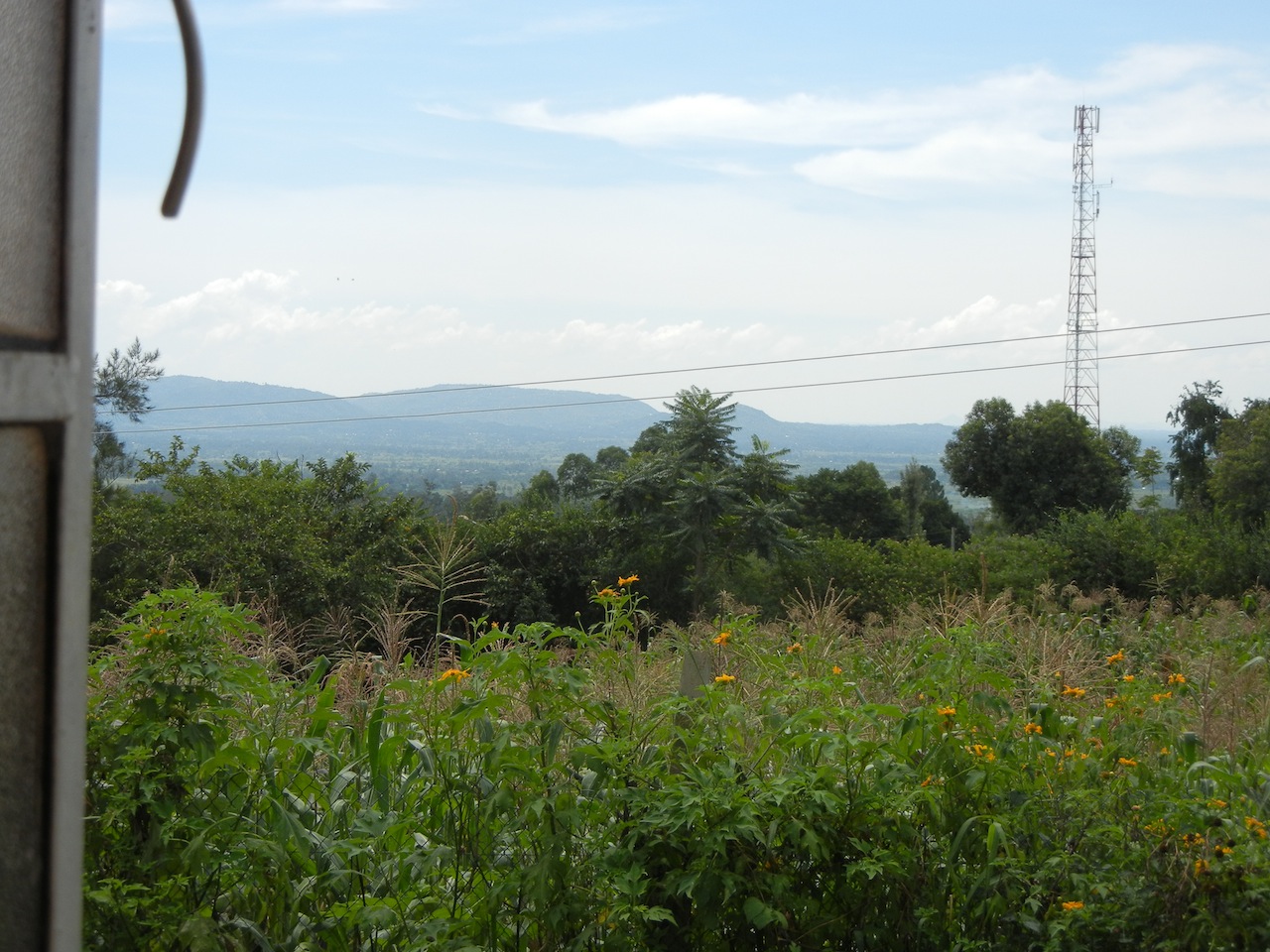
View from the Window at Professor Odoi's home in Tororo, Uganda

View from the Window at Professor Odoi’s home in Tororo, Uganda

I am back in Kampala now and refreshed from a nice, relaxing visit to Professor Odoi’s weekend home in the country. I was invited to accompany Richard and his wife, Nora, to Tororo, which is slightly north and far east of Kampala. It is actually only a few kilometers from the Kenya border. On the 4.5-hour trip, we stopped several times at roadside stands to gather fresh produce for our meals. This also included a live chicken, which was simply placed in the back of the car with my luggage for the remainder of the trip there.

This is the chicken purchased along the way to Tororo, Uganda

This is the chicken purchased along the way to Tororo, Uganda

I had to take a picture since it would be a rare site for an American to have a chicken in the car. It was so quiet the whole trip although I had half expected it to be trying to get out and be squawking. But, upon arrival, I found out that the feet are tied so it can’t move around. I’m surprised, though, that it still didn’t make a sound. The Professor’s home with its beautiful grounds was a nice oasis from the busy traffic, noises, and millions of people in Kampala.

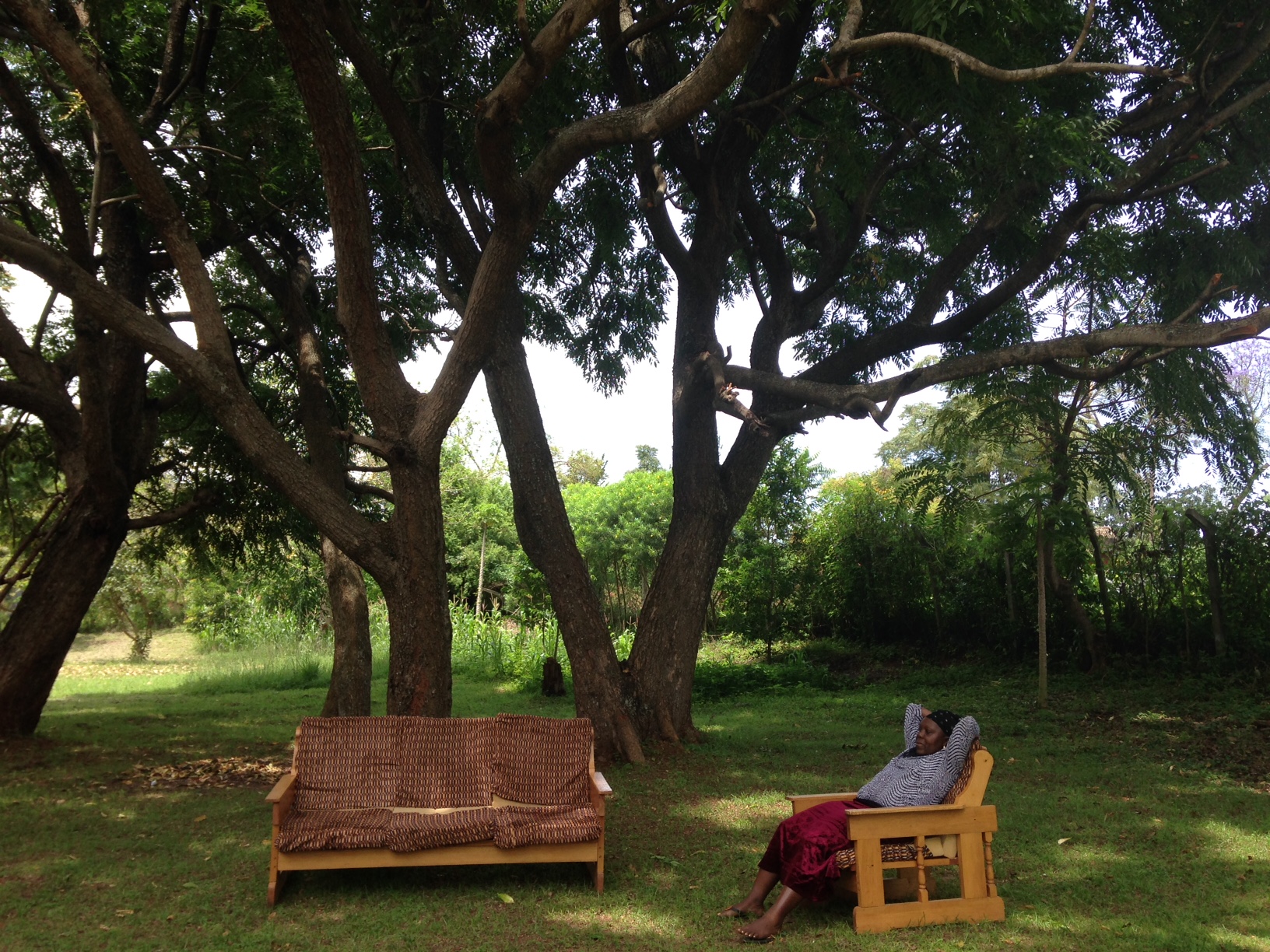
Couches and chairs were sat out on the lawn and this is where I graded most of my papers (Nora is pictured)

Couches and chairs were sat out on the lawn and this is where I graded most of my papers (Nora is pictured)

We ate delicious papaya on the lawn, purchased right from the local farms along the road to Tororo

We ate delicious papaya on the lawn, purchased right from the local farms along the road to Tororo

I had to bring some work with me but grading papers under the shade of a tree is so much better than doing it at my desk in my bedroom at Edgehouse on Makerere Campus. There was also time for a nice walk which Nora and I took to a hotel with a garden where we sat and relaxed some more.

As I graded papers, I enjoyed watching the turkey and chickens wander around the yard looking for tasty nuggets of bugs, I think. These fine creatures belong the the Odoi's caretaker of the house.

As I graded papers, I enjoyed watching the turkey and chickens wander around the yard looking for tasty nuggets of bugs, I think. These fine creatures belong the the Odoi’s caretaker of the house.

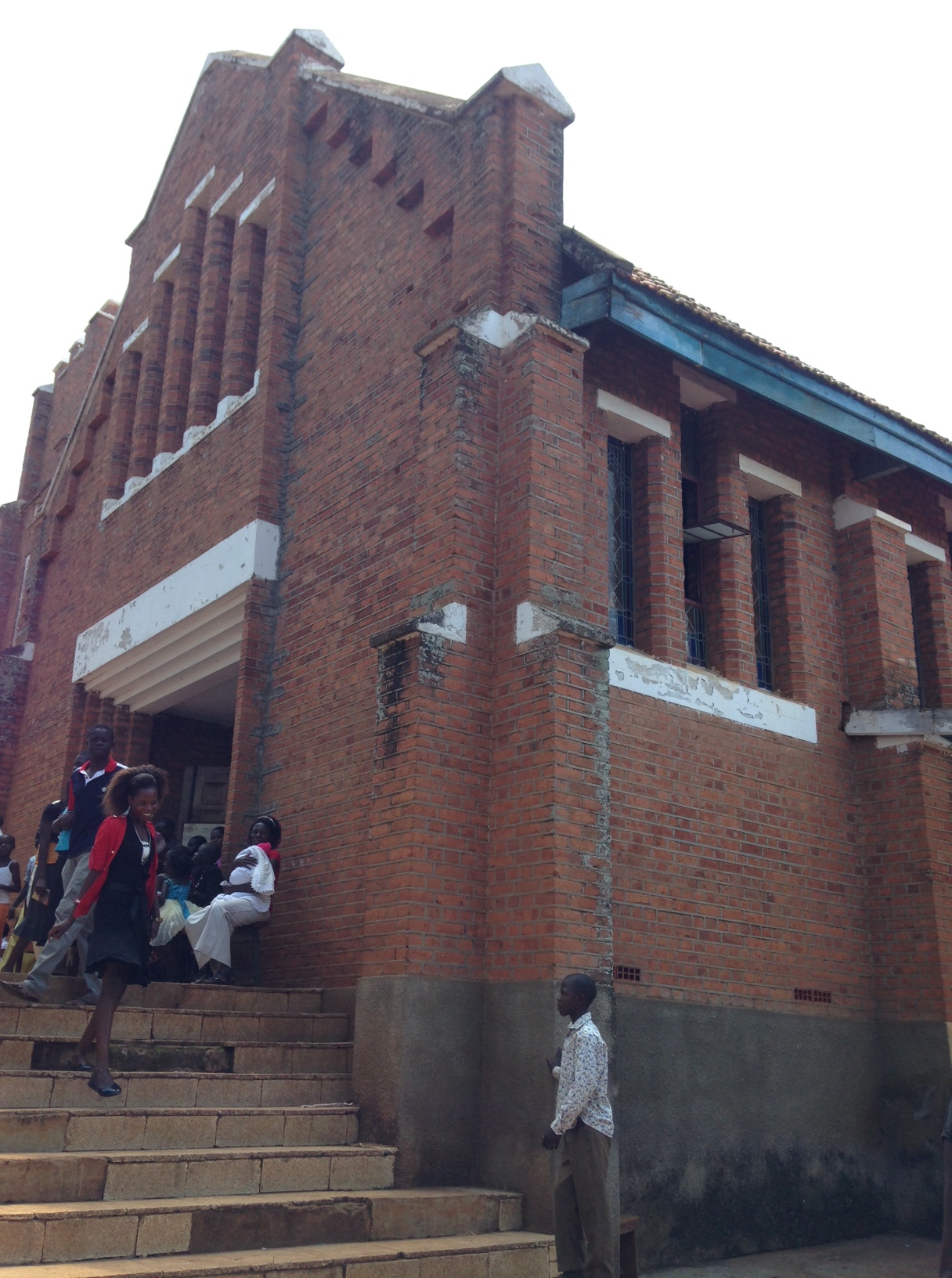
This is the front entrance to Sacred Heart Roman Catholic Church in Tororo, Uganda

This is the front entrance to Sacred Heart Roman Catholic Church in Tororo, Uganda

On Sunday morning we went together to Sacred Heart Roman Catholic Church and it was jam-packed full of people. It was definitely the most traditional and formal service I had been to in Uganda. The priest even used incense. I thought this was because it was a festival Sunday- we were celebrating the anniversary (9Nov324) of the dedication of the Basilica of St. John Lateran, which is the Pope’s Cathedral. And they had a wonderful Children’s Choir lead the music, which was accompanied by percussion instruments and what sounded like a Ukulele. It turned out that incense is always used. The service lasted a full 2.5 hours.

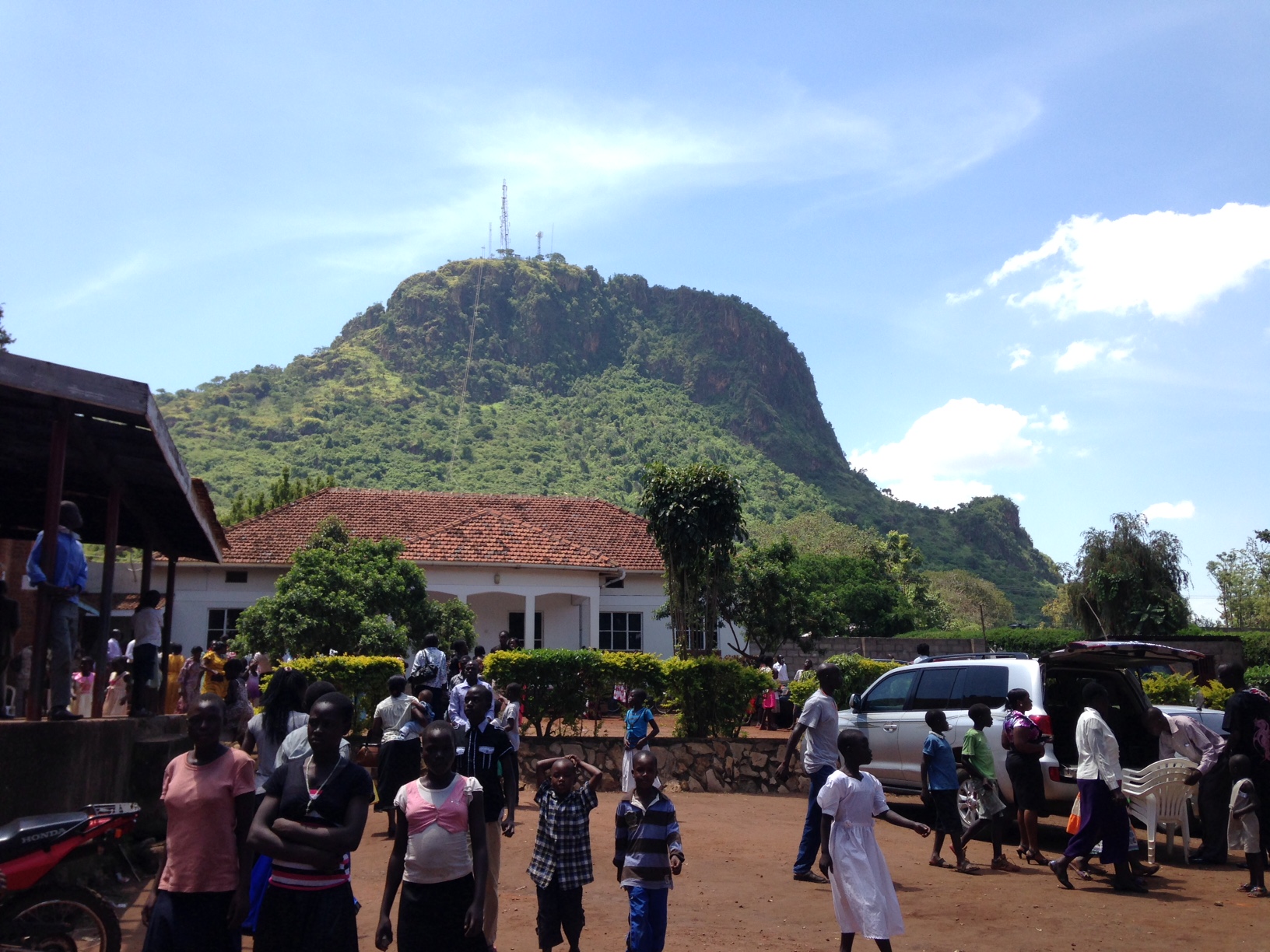
A beautiful view of Tororo Rock from the parking lot of Sacred Heart Church

A beautiful view of Tororo Rock from the parking lot of Sacred Heart Church

I sat there wishing I could take some photos so I could show Americans- even when we think our churches are full, it is nothing like the Ugandan Churches. This seems to occur regardless of the denomination of Christianity here. It lifts my soul to see so many others engaging in praise and worship through singing, dancing, and clapping, although the body movements at Sacred Heart were quite toned down as compared to every other church I’ve been to here. I can’t speak for the Muslim worship services, since I’ve never been, but I wonder if it is the same as well?

All in all it was a lovely weekend and I’m very thankful to the Professor and Nora for sharing it with me.

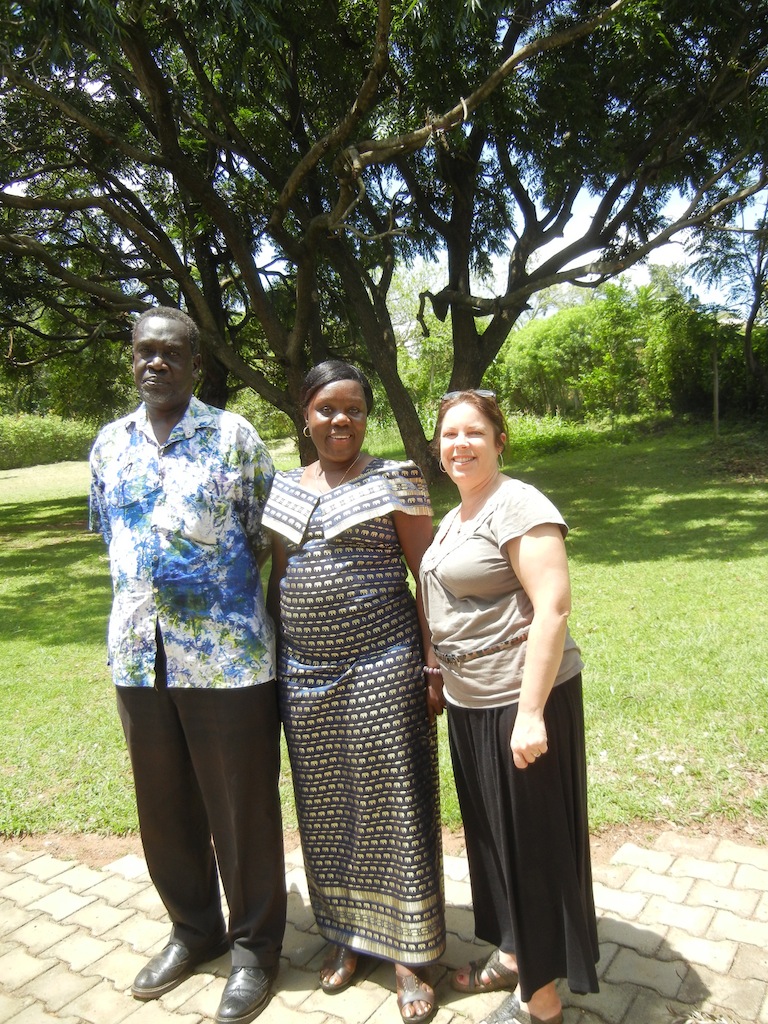
Professor Richard Odoi, his wife Nora, and me (KarenBeth) on the grounds of his weekend home in Tororo, Uganda

Professor Richard Odoi, his wife Nora, and me (KarenBeth) on the grounds of his weekend home in Tororo, Uganda

Posted in Fulbright Specialist Project, My Safari (My Journey/Adventure) | Tagged , , , , , , , | 1 Comment

Antimicrobial Stewardship: A New Concept for Pharmacy Interns

I spent today at Mulago Hospital helping some of the Pharmacy Interns put the final touches on their learning case presentation to the other Interns on Hospital-Acquired Pneumonia.  After the presentation, I gave a talk on Antimicrobial Stewardship, which is how to use antibiotic drugs appropriately and effectively to treat patients without causing adverse consequences to the patient in terms of side effects and other infections. This practice also helps to avoid the development of resistant organisms.  You have probably heard the term MRSA (pronounced Mer-sah) as a serious and difficult to treat organism that can cause life-threatening infections, especially skin infections. There are also other organisms that can become resistant for which we have few drugs that kill them and those are very expensive. So, it is always important to use antibiotics judiciously, but it is even more important in a resource-poor environment like Uganda, so that the supply of drugs available will still work when needed.  Unfortunately, I suspect that there already is a serious problem with resistance with the antimicrobial drugs that are currently used.  One reason for this is that almost every infection is treated with the same 2 antibiotics.  It doesn’t matter if these are the most potent drugs, which they are not, any health system that doesn’t vary the antibiotics used will see the microorganisms become resistant.  There is definitely hope, though, if this can be studied, recognized, and the information used to make decisions about different drugs to keep in the hospital. Then, once new drugs are available, their use must be carefully considered.  When cultures of the offending microorganisms show that other, more basic antibiotics can be used successfully, the more potent drugs must be changed to protect their use for more difficult to treat organisms.


Posted in Diseases/Health, Fulbright Specialist Project | Tagged , , , , , , , , , , | Leave a comment

The Ups and Downs of Clinical Pharmacy Practice in Uganda

This in not an official U.S. Department of State (DOS) blog and the views and information presented are my own and do not represent the Fulbright Program or the DOS.

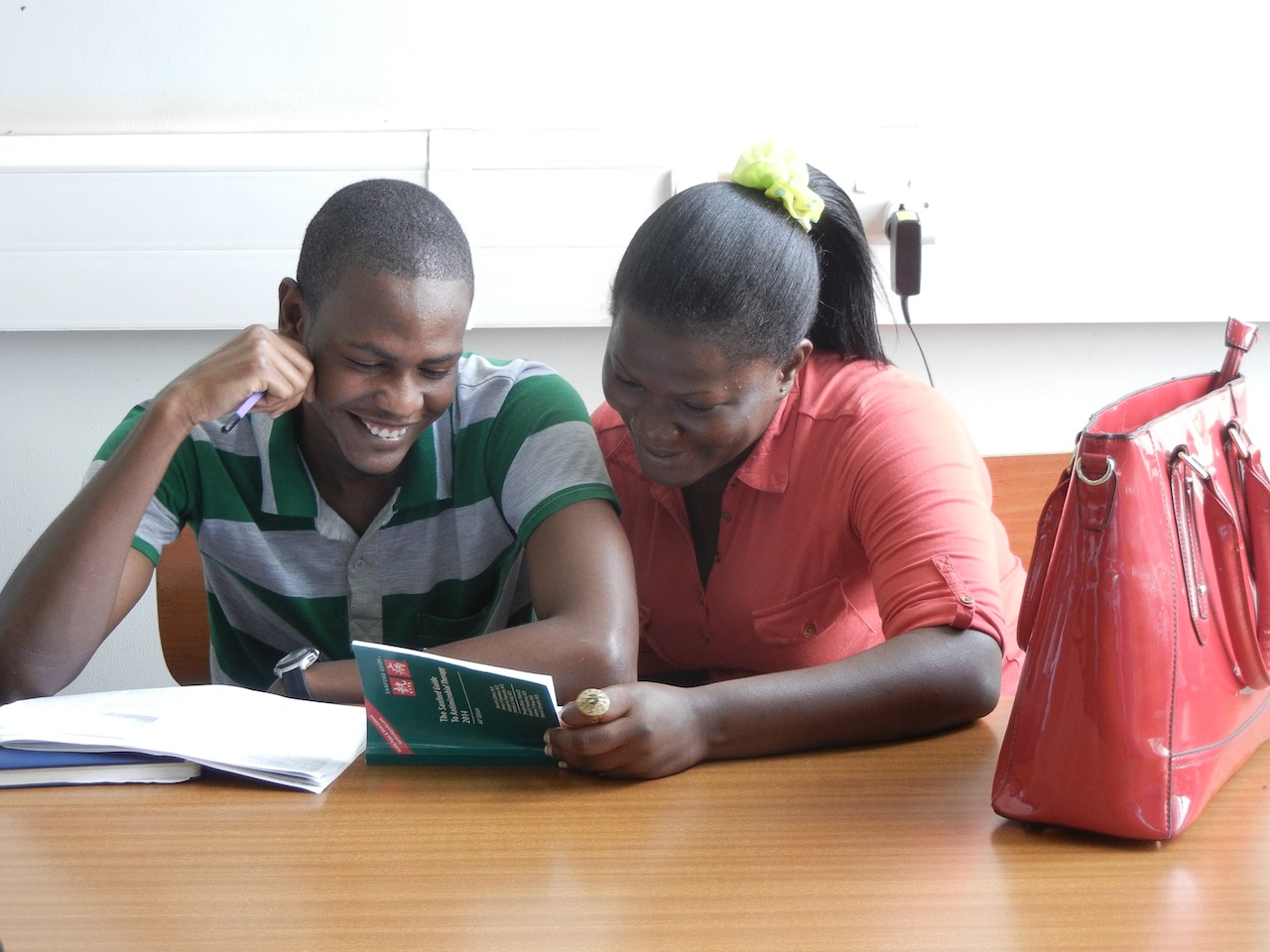
These are two 3rd year Pharmacy Students working together in class using the newly donated Sanford's Guides to Antimicrobial Therapy

These are two 3rd year Pharmacy Students working together in class using the newly donated Sanford’s Guides to Antimicrobial Therapy

Today was a frustrating day. I worked at the hospital precepting the 4th and 3rd year Makerere University Pharmacy Students as they met with patients as part of the new Pharmaceutical Care Skills Curriculum. It wasn’t frustrating because of the students- they are a joy to work with. I love that they are so interested in learning more about the disease states they are studying from the experiences of their patients. They are also amazingly compassionate with the patients and their caregivers as they listen to the stories about why a person was admitted to Mulago Hospital and as they carefully, and patiently provide information about the drug therapy. These students are really bright and their foundational background in the medical sciences is impressive! They may not have been taught a lot about how to use drugs to treat diseases yet, but they really know their pharmacology. When I asked the 3rd students yesterday in class if they knew about the drug, Warfarin, which is a common anticoagulant (the most common brand name in the USA is Coumadin©) and which they hadn’t officially studied in classes yet, not only did they know what the drug was but they also knew the mechanism of action. I asked them how they knew this and they could not really recall where this information came from but on further probing, it seems they learned about it during one of their summer experiences in the clinic. The reason I’m surprised is the depth at which they knew about a drug they had yet to study in class, but these students are taught to be self-directed from day 1 in University. The teaching methodology here for all of the students of the medical sciences (nursing, pharmacy, medical school, dental school, etc) is Problem Based Learning (PBL). The students are responsible for working in teams to develop learning objectives for the topic of the week, then they study these topics on their own all week, and then they teach the material to each other at the end of the week. Almost all of their learning is directly from their own efforts of studying. This, along with the fact that most of their final exams are cumulative AND open-ended (as opposed to multiple choice), really helps them to integrate the material deeper into their brains.
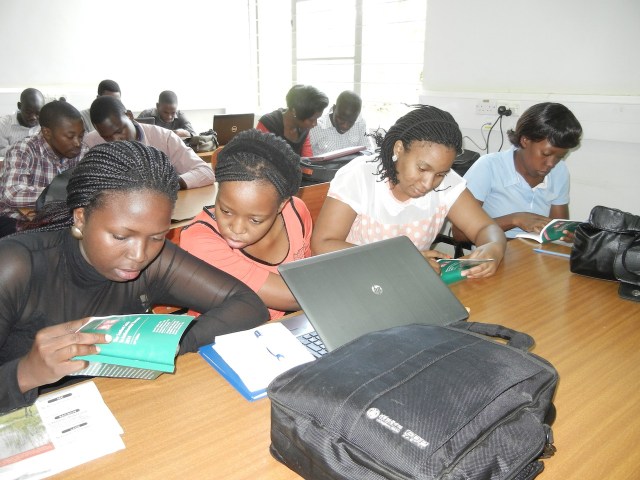
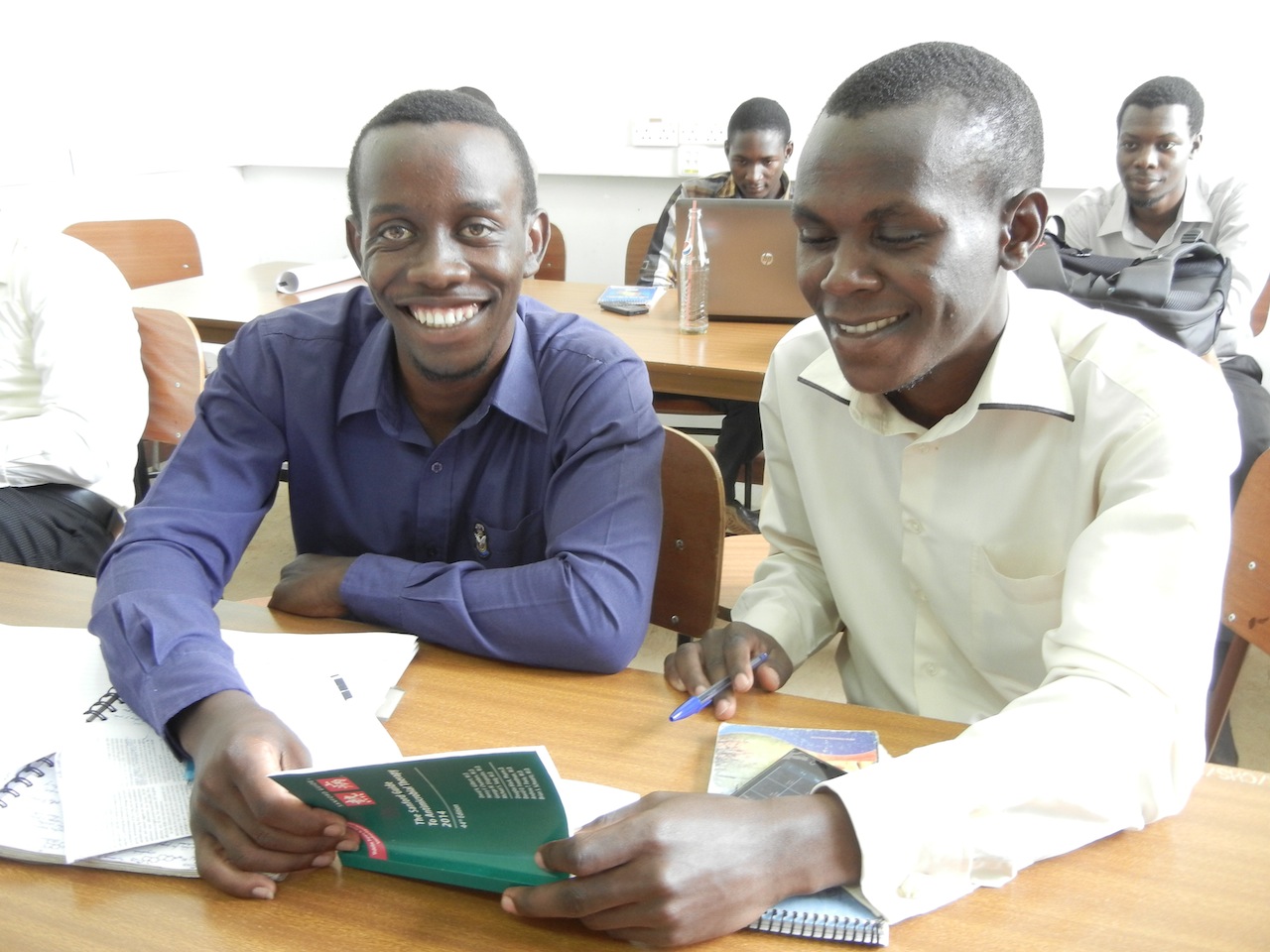
Using the recently donated Sanford's Guide to Antimicrobial Therapy, 4th Year Pharmacy students work on a class exercise

Using the recently donated Sanford’s Guide to Antimicrobial Therapy, 4th Year Pharmacy students work on a class exercise

So today, my frustration wasn’t from the interactions with my students. The major lack of drugs and supplies to effectively treat the patients at Mulago Hospital is basically unconscionable. I understand that this is a resource poor environment and the drug supply is not always reliable, but the extent to which this affects patients was clear today. I’m not sure I saw a single patient who was able to receive all of his drugs. In one case, it turned out the supply of a very common drug, omeprazole, which is a drug to prevent acid-secretion in the stomach, had been gone from the hospital for weeks. And, this particular unit had no other drug available as a substitute. One of the things I am trying to work with the students, pharmacy interns, and pharmacists on is their involvement in trying to find alternate therapies for the patients when the primary one the physician ordered isn’t available. Usually there is more than one way to treat a problem, so if one drug is not available, there may be another type of drug that could work. But, for this patient, there was not any other drug for reducing stomach acid and treating ulcer disease- not even a drug from different class of drugs. I was told at the end of the day that the shipment of omeprazole was expected next week, but what if the patient has complications or a bleeding ulcer before then??? The only option in situations like these is for the patient’s caregiver to go and purchase the drug(s) from a community pharmacy. Some patients are able to do this, but many and probably most others, are not able to raise the money to afford this. Also, today I went down to the microbiology lab to learn about their system of culture and sensitivity testing. As an Infectious Disease pharmacist, I am really interested in the appropriate use and choice of antibiotics to treat infection. But, we can’t really know which are the best drugs to use in the patients unless we have an idea of what drugs will usually work for the microorganisms that are causing disease in Kampala, Uganda. The way we usually figure this out in the USA is to create an Antibiogram. This is a compilation of the organisms that are grown from patient specimens in the hospital and the antibiotics that will usually work to treat these organisms, as determined by the lab test called a Culture and Sensitivity (C&S) test. Although these tests are routinely done at Mulago Hospital, it turns out the supply of the antibiotic-impregnated discs is not reliable so not all drugs are usually tested. This means that often, the drug that we must use to treat the infection, because they don’t have many antibiotics to choose from, is not even tested on the C&S. The whole reason for the test is to find out if the drug should work to cure the patient, but if the disc isn’t available and we can’t find out this information, then the process, equipment, and staff time to run the test was just wasted. I must say, though, that the microbiology staff I spoke with today were very helpful and were as frustrated as me by the lack of supplies and equipment to be able to do their job to the best of their abilities.
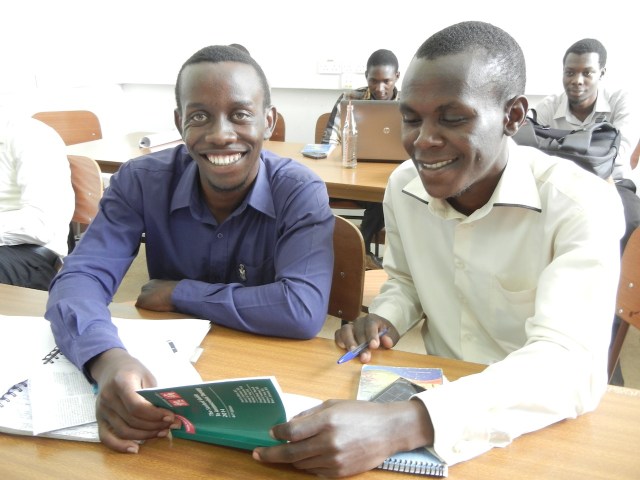
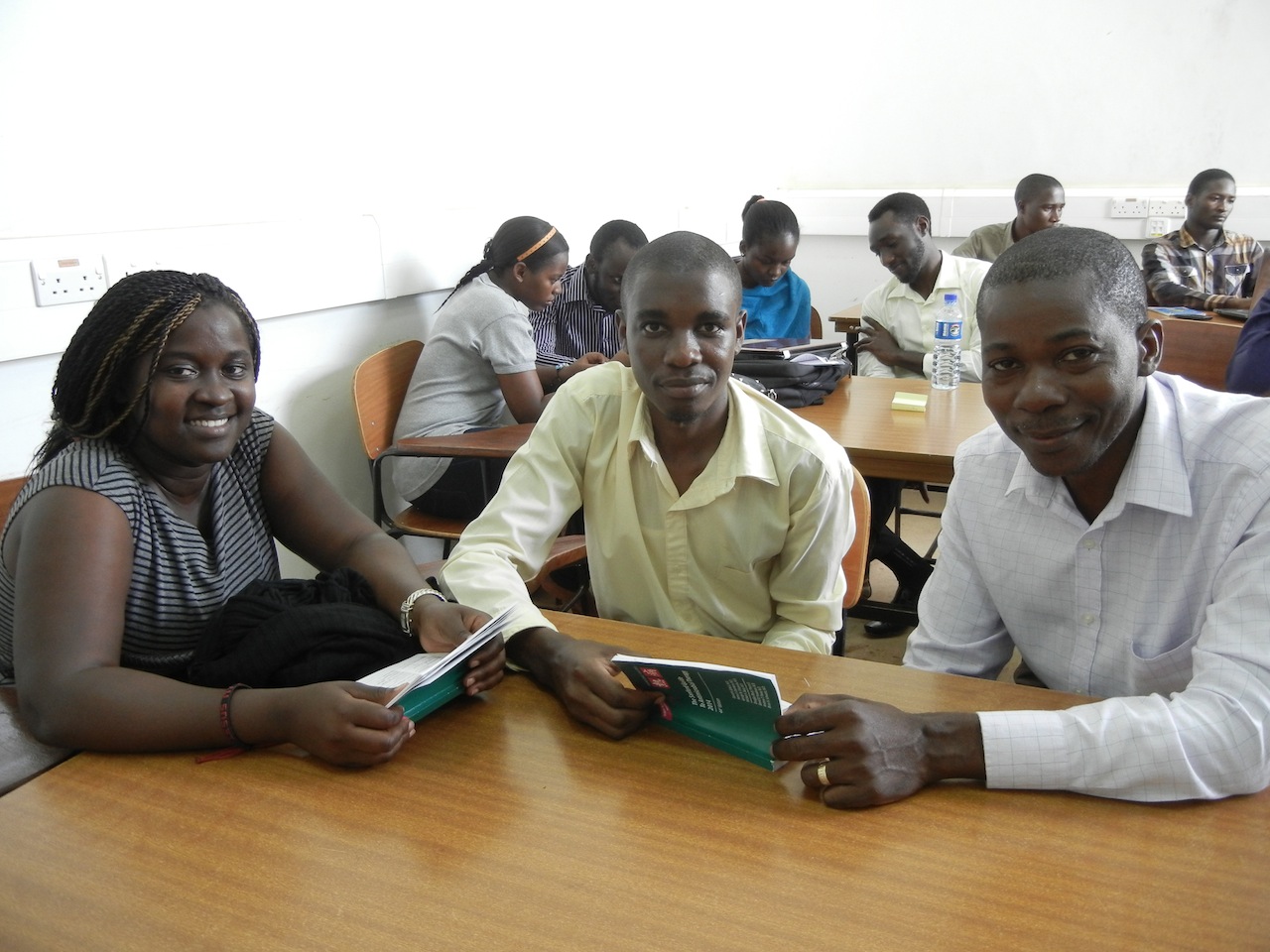
More 3rd Year pharmacy students work on a class assignment using the new Sanford's Guide

More 3rd Year pharmacy students work on a class assignment using the new Sanford’s Guide

I am generally an optimistic person yet I know that the work I am trying to do here in Uganda to help improve patient health care through advancement of pharmacy practice will take time and much patience. But, today my resolve was tested. Is it possible that lasting changes in medical practice can be made and result in better patient health outcomes when with every step ahead in improvement in the education of healthcare providers and/or the development of treatment protocols, there are logistical and supply challenges that threaten to push us back to the starting line???

3rd Year Pharmacy Student working with the Sanford's Guides

3rd Year Pharmacy Student working with the Sanford’s Guides

Despite the situations I dealt with today, I can’t waiver in my determination to forge ahead with this project. For every difficulty I’ve come across, I have to remember the successes. Today, two patients received better pain control with the input from the students and me. One of these patients was likely saved from a serious adverse effect that could have caused seizures. Several other patients and their caregivers benefited from being able to voice their concerns and receive answers from the team of pharmacy students who were willing to spend time listening and providing advice. The last group of students I worked with today diligently reviewed the patient chart, looked up drug interactions and dosing strategies and adeptly presented the patient to me. After at least an hour of conversation with them, I was done for the day as my feet and voice were worn out. But, I was so pleased that as I left at 6pm, the students said they were headed back to the ward to talk with the patient and gather additional information. These students, along with the others I worked with today, are the new generation of healthcare providers that in the words of Mahatma Gandhi WILL “be the change they wish to see in the world”. All they need is continued encouragement, support, and mentorship. They have everything else it takes- a positive attitude towards learning, determination, compassion, and definitely the intelligence. For this reason and for the Ugandan people, I will persist in this endeavor. I do believe that change is possible- maybe not easy- but possible.
 

Posted in Diseases/Health, Fulbright Specialist Project | Tagged , , , , , , , , , , , , , | 2 Comments

A Night of Fun: A Fond Farewell & Celebrating the Makerere Nursing Department’s 20 Years

This in not an official U.S. Department of State (DOS) blog and the views and information presented are my own and do not represent the Fulbright Program or the DOS.

Celebrating Joe's time in Uganda with Richard and Kalidi (not pictured)

Celebrating Joe’s time in Uganda with Richard and Kalidi (not pictured)

On Friday I had to say goodbye to Joe, the volunteer pharmacist whom it’s been a true pleasure to work with all week. Joe is an Ambulatory Care Pharmacist from Boston, which means he works in a healthcare clinic and sees patients who are referred to him by the physicians in the practice. These patients are those who need extra care to manage chronic diseases like Diabetes, Hypertension, and Heart Disease and in addition to educating them about medications, he also adjusts drugs doses and medication therapy as needed to obtain the desired results for his patients based on a collaborative agreement he has with his physician supervisor. Regarding the trip to Uganda, he explained to me that he has always been interested in global health humanitarian work and to make this trip happen, he took 3 weeks of his personal holiday time to come to Uganda to teach at Makerere University Department of Pharmacy and model pharmaceutical care practice at Mulago National Referral and Teaching Hospital with the Pharmacists and Interns. Although this was his first international trip ever, he acclimated quite well, jumped right in, and continued the work of the Pharmaceutical Care Skills Lab curriculum I recently had implemented. We had spoken on the phone prior to his trip and I am so thankful for all of his help working with the Ugandan Pharmacy students as well as Ugandan Pharmacy Interns. The students clearly enjoyed their time with and learned a lot from Joe.

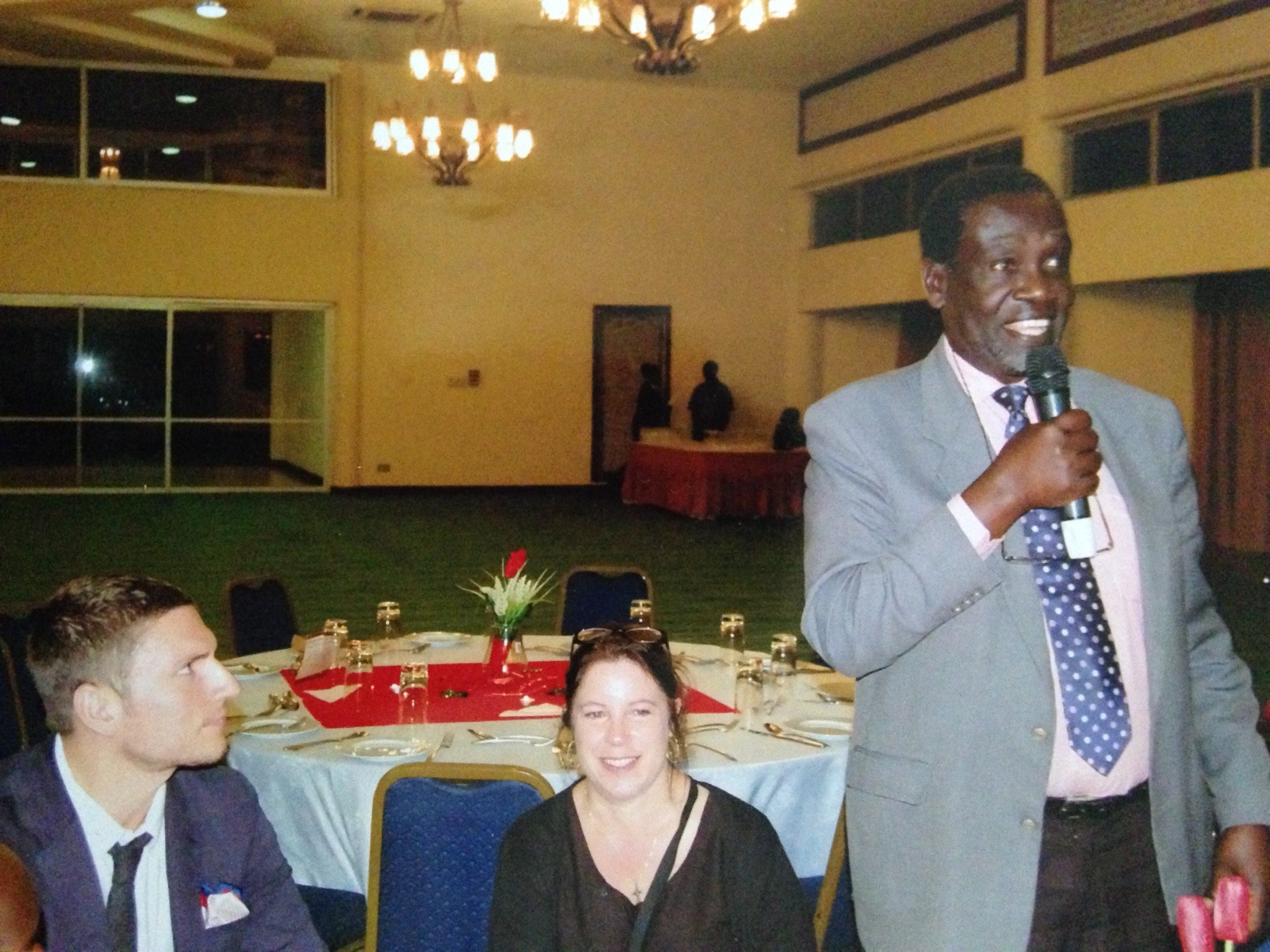
Richard introduces himself, Joe, and KarenBeth at the Makerere University Nursing Department Celebration of 20 years

Richard introduces himself, Joe, and KarenBeth at the Makerere University Nursing Department Celebration of 20 years

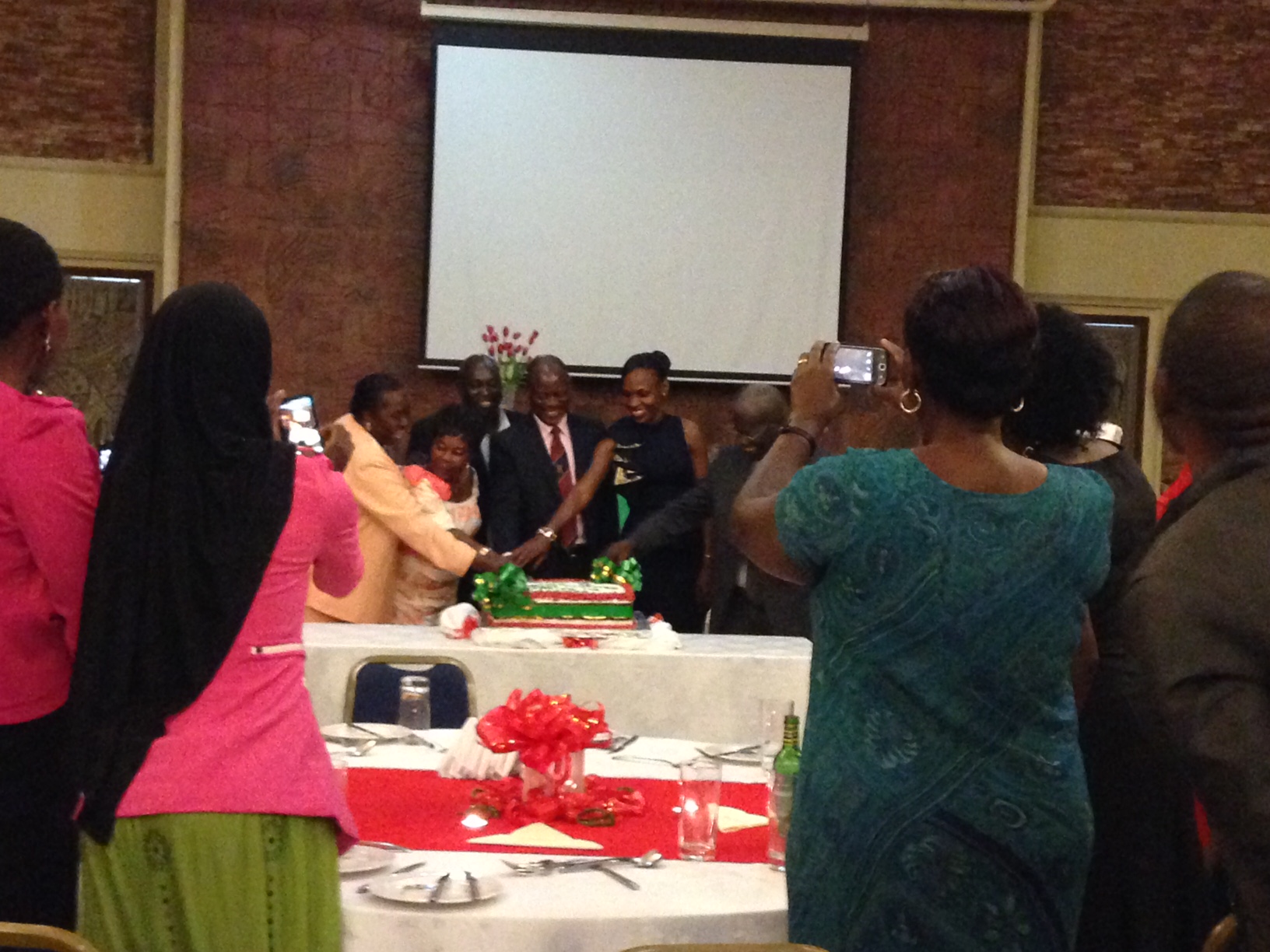
We decided to celebrate Joe’s last night in Kampala by going out to dinner but it turned out that the Makerere Nursing Program was also having a banquet that night to celebrate their 20th year of the program and the retirement of the Nursing Faculty member who started the program. So, Richard, the Professor of Pharmacy whom I work with, suggested we go out with Joe first and then all attend the Nursing celebration. Of course we were game for that plan but little did Joe and I know we were in for a real treat. The Nursing celebration was held at the Golf Club Hotel, which is quite nice, and consisted of a full evening of speeches and introductions and gift giving along with delicious food and wonderful conversations. There were several special guests including the Deputy Vice Chancellor of Makerere University and the Dean Emeritus of Nursing from Johns Hopkins University who had helped to start the program at Makerere 20 years ago. Although there was much formality with the introductions and the order of speakers, and the playing of the Uganda National Anthem, the atmosphere was like a big family party. Even though Joe and I don’t have a relationship with the Department of Nursing, we were warmly welcomed as if we were family.

Dinner began with a bowl of delicious pumpkin soup; the green drink is a soda called Mirinda and it tastes kind of like Jolly Ranchers (an American hard candy); the decorations were lovely!

Dinner began with a bowl of delicious pumpkin soup; the green drink is a soda called Mirinda and it tastes kind of like Jolly Ranchers (an American hard candy); the decorations were lovely!

Cutting the cake for the Nursing Celebration involved all of the guest who were seated on the stage and it was a huge cake! The man in the middle is the Deputy Vice Chancellor

Cutting the cake for the Nursing Celebration involved all of the guest who were seated on the stage and it was a huge cake!

Posted in Diseases/Health, Fulbright Specialist Project, Uncategorized | Tagged , , , , , | Leave a comment

An Overview of the Ugandan Healthcare System & A Visit to a Community Pharmacy

This in not an official U.S. Department of State (DOS) blog and the views and information presented are my own and do not represent the Fulbright Program or the DOS.

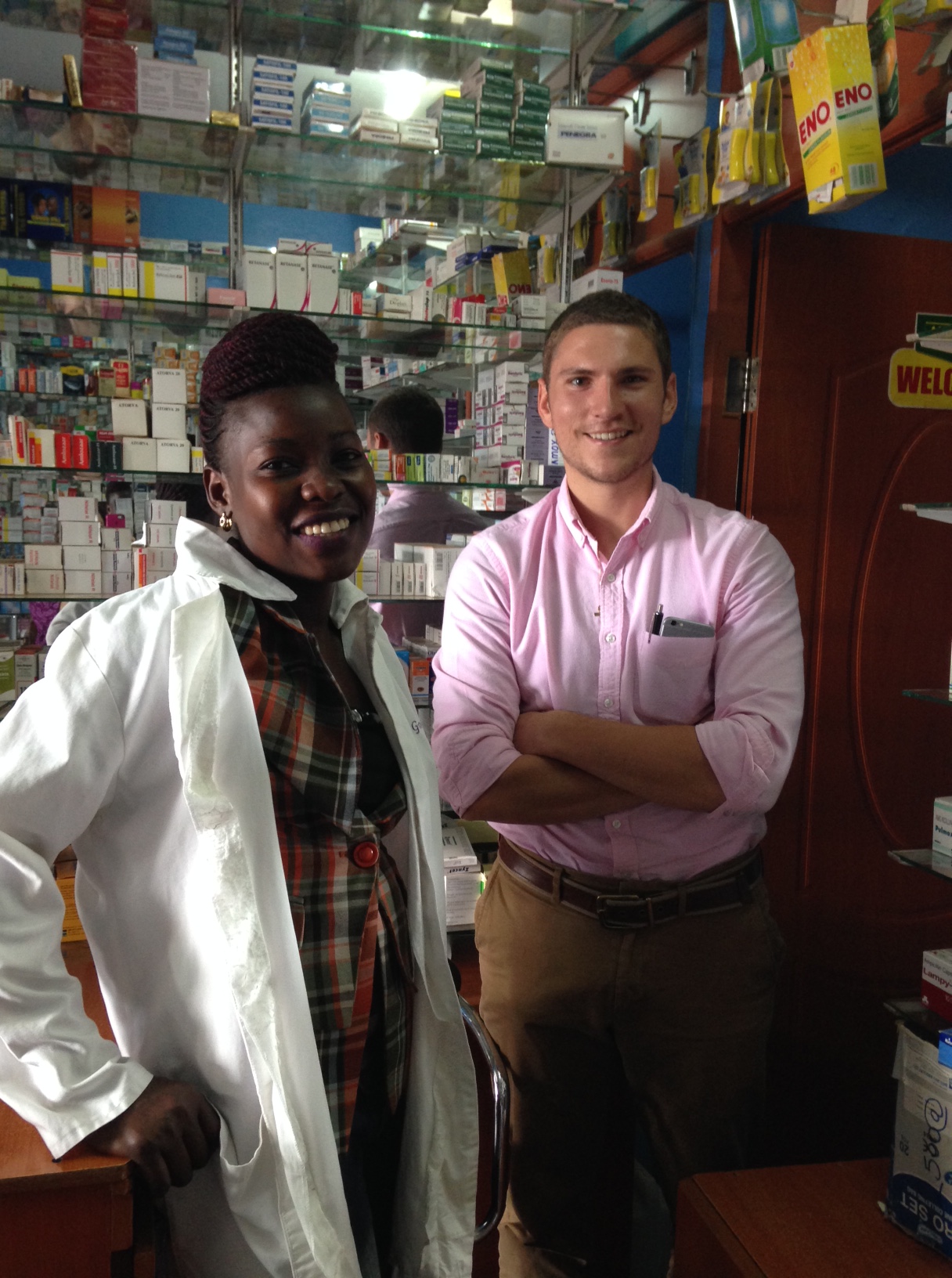
Inside Extra Care Pharmacy. Pictured are Gonsha, the Pharmacist and Owner and Joe, American Volunteer Pharmacist

Inside Extra Care Pharmacy. Pictured are Gonsha, the Pharmacist and Owner and Joe, American Volunteer Pharmacist

In Uganda, the government provides basic healthcare at no cost to all of its citizens. This consists of a series of levels of care that start with the Village Healthcare Teams (VHT). These are people who are trained to provide simple health education to members of their own villages and act as a liaison to the next level of care, which is the Healthcare Center 2 (HC2) staffed by nurses. The VHT notify villagers when well-baby immunization clinics are occurring and remind women to attend their regular pre-natal visits when pregnant. They also are often the first point of contact when their are disease outbreaks like cholera and can notify both the healthcare centers as well as spread the word among the villagers. This program is a way to bring healthcare to the people. The next level HC3, which is staffed by a nurse and Clinical Officer (like a Physicians Assistant in the USA). The HC4 are are local district hospitals with Regional Referral Hospitals the highest level of care. Basic care includes a Clinician to give exams and prescribe drugs. The Ministry of Health has an Essential Drugs List that identifies the free medications that are approved as the standard of care in the country and should be available at government run health centers for doctors to prescribe. Unfortunately, the distribution of supplies and medications is not always based on need and what was ordered but rather on a standard set of supplies that are to be delivered to all healthcare centers of a certain level on a routine schedule. What this means is that although a healthcare center of a certain level may serve a much larger population than others at that same level, they receive the same amount of supplies. This practice contributes to the lack of adequate resources where they are needed. There are many other factors that also contribute to this such as out-of-stock medications at the National Drug Stores so that what should be delivered isn’t available. In addition to physical examinations and drugs, basic lab tests are also provided for free, when they are available. One of the things that distinguish a HC2 from a HC3 is the availability of a laboratory on site. For example, a HC2 should be able to perform a rapid diagnostic test (RDT) for malaria, which is a finger prick of blood applied to a test strip and then read by a color change when the developer reagent is applied. This tests for the Malaria antigen indicating the presence of the parasite. They can’t do an actual blood smear in which a lab technician is able to actually see the parasite on a slide under the microscope- these are done at HC3 and above. The interesting thing is that recently there have been studies showing RDT’s may be more sensitive and accurate than blood smears which are only as good as the technique and experience of the technician. But, the clinics often run out of test kits and since the blood smear is cheaper, the hospitals continue to use that as the primary diagnostic test for malaria rather than use the more sensitive RDT’s.

This is a Malaria Rapid Diagnostic Test kit. In a community pharmacy it cost 2000 schillings per test which is about 75 cents in US Dollars- so less than $1

This is a Malaria Rapid Diagnostic Test kit. In a community pharmacy it cost 2000 schillings per test which is about 75 cents in US Dollars- so less than $1

Another challenge to quality healthcare in Uganda is the inability to rely on having basic clinical tools available in every setting. For example, it is not uncommon for the ward’s Blood Pressure Cuff, Stethoscope, and Thermometer to go missing for days at a time. One time I was rounding in a smaller government hospital and noticed that in every patient chart the BP reading was missing as well as the temperature. I was told that the tools were missing and they couldn’t get another set of supplies because either the hospital had run out of budgetary allowances for the month or the National Drug Stores was out-of-stock. In a large hospital where I work, there are very few scales for weighing adult patients but weight is often critical for making sure the drug doses are appropriate for each individual patient. If a patient doesn’t know his or her weight, we usually have to estimate based on the patient’s appearance. For most drugs, this is adequate but knowing the actual weight for very ill patients can be critical as a monitoring parameter for drug therapy, such as in treating patients with Congestive Heart Failure.

This shows the parts of the Malaria RDT. There are lancets and alcohol swabs for getting the blood, the foil packet has the actual test strip, and then the developer is in the small bottle.

This shows the parts of the Malaria RDT. There are lancets and alcohol swabs for getting the blood, the foil packet has the actual test strip, and then the developer is in the small bottle.

So, despite the availability of government-sponsored healthcare, most people who have some money tend to seek the services of private doctors and pharmacies for supplemental services, if not for their entire healthcare. The availability of pharmacies is especially important because the Essential Drug List is very narrow in scope and just because a drug is on the list, doesn’t mean it will be available for patients when needed. This week, Joe, another American Pharmacist volunteer, and I had the opportunity to visit a very nice private pharmacy outside of Kampala. I have gotten to know Gonsha, the Pharmacist and Owner, over the past couple of years. On a volunteer basis, she coordinates the education program for the Pharmacy Interns at Mulago Hospital, and she has arranged for me to help precept the Interns for their weekly Case Presentations. She is deeply committed to providing high quality care to the patients who use her pharmacy, as well as ensuring the Pharmacy Interns are capable of doing the same upon completion of their training year, which is the year after Pharmacy School graduation before they can take the licensure exam. She is very active in the movement to advance pharmacy practice in Uganda and increase the ability of Pharmacists to provide Pharmaceutical Care to help improve patient health outcomes. I was impressed with how organized and clean Extra Care Pharmacy was and the level of staff she has hired. Although every Pharmacy must have a licensed pharmacist supervising the pharmacy activities, the Pharmacist is not required to be on duty to open the store and dispense medications. And Pharmacists are allowed to supervise 2 Community Pharmacies at a time because the number of pharmacists in the country can’t meet the demand.

This is a product called Duragesic but it is certainly not the narcotic that has the brand name of Duragesic in the USA. It is not even a painkiller.

This is a product called Duragesic but it is certainly not the narcotic that has the brand name of Duragesic in the USA. It is not even a painkiller.

Most pharmacies hire untrained staff or maybe a nurse for dispensers but Gonsha has hired a Clinical Officer whom is much more qualified to advise patients and fill prescriptions in her absence. Gonsha also offers some services to her patients that are not very common in most pharmacies. For example, when a patient who has high blood pressure comes to get a medication refill, she is able to take their blood pressure to be sure the medication dose is still adequate.

This product is a injectable blood thinner that can be life saving for a patient who has a blood clot. It is on the Uganda Essential Drug List but is frequently out-of-stock at government hospitals. It is quite expensive for patients to go buy at a pharmacy. The drug needs to be given once or twice a day and the dose shown is on the low side so a patient might need more than one syringe AND the patient might need to take this for about 5-10 days. The price shown of 25,000 Schillings is about $9 for a single dose. This is more than the 1 month salary for the caretaker and guard at Edgehouse, where I stay in Uganda.

Posted in Diseases/Health, Fulbright Specialist Project | Tagged , , , , , , , , , , , | Leave a comment

Teaching into Practice: Working with Ugandan Pharmacy Students at Mulago Hospital

This in not an official U.S. Department of State (DOS) blog and the views and information presented are my own and do not represent the Fulbright Program or the DOS.

3rd Year Pharmacy Students Working with Patients At Mulago Hospital (pictured left to right: Nelson, Barbara, Babra, Geoffrey, Ronald)

3rd Year Pharmacy Students Working with Patients At Mulago Hospital (pictured left to right: Nelson, Barbara, Babra, Geoffrey, Ronald)

It was great to get back into clinical work in the hospital again, here in Kampala, Uganda at Mulago National Teaching and Referral Hospital. Yesterday I worked with both 3rd and 4th year pharmacy students, precepting them as they put their newly learned skills into practice taking care of patients on the Endocrinology Ward. I was so pleased to see great progress from when I was here just a month ago. Their confidence was improved as well as their pharmaceutical care skills and drug-disease knowledge. The course was able to continue, even in my absence due to the work of the Makerere Faculty and also the help of another 2 American volunteers, Susan and Joe, working with Healthcare Volunteers Overseas (HVO). They each came to Kampala for 3 weeks to work with the School of Pharmacy at Makerere University as well as help with the training of the Pharmacy Interns at Mulago Hospital. I was fortunate enough to find out about their plans ahead of time and with Richard Odoi’s approval, I started a conversation with Susan, even before her travels to Uganda, to let her know about the new PCSL curriculum for pharmacy students. I hoped she and Joe would be willing to help out teaching the new skills lab while I was away. Although this was Joe’s first trip to Uganda, Susan has actually been here and worked with Makerere University a number of times in the past but our paths hadn’t crossed until now.

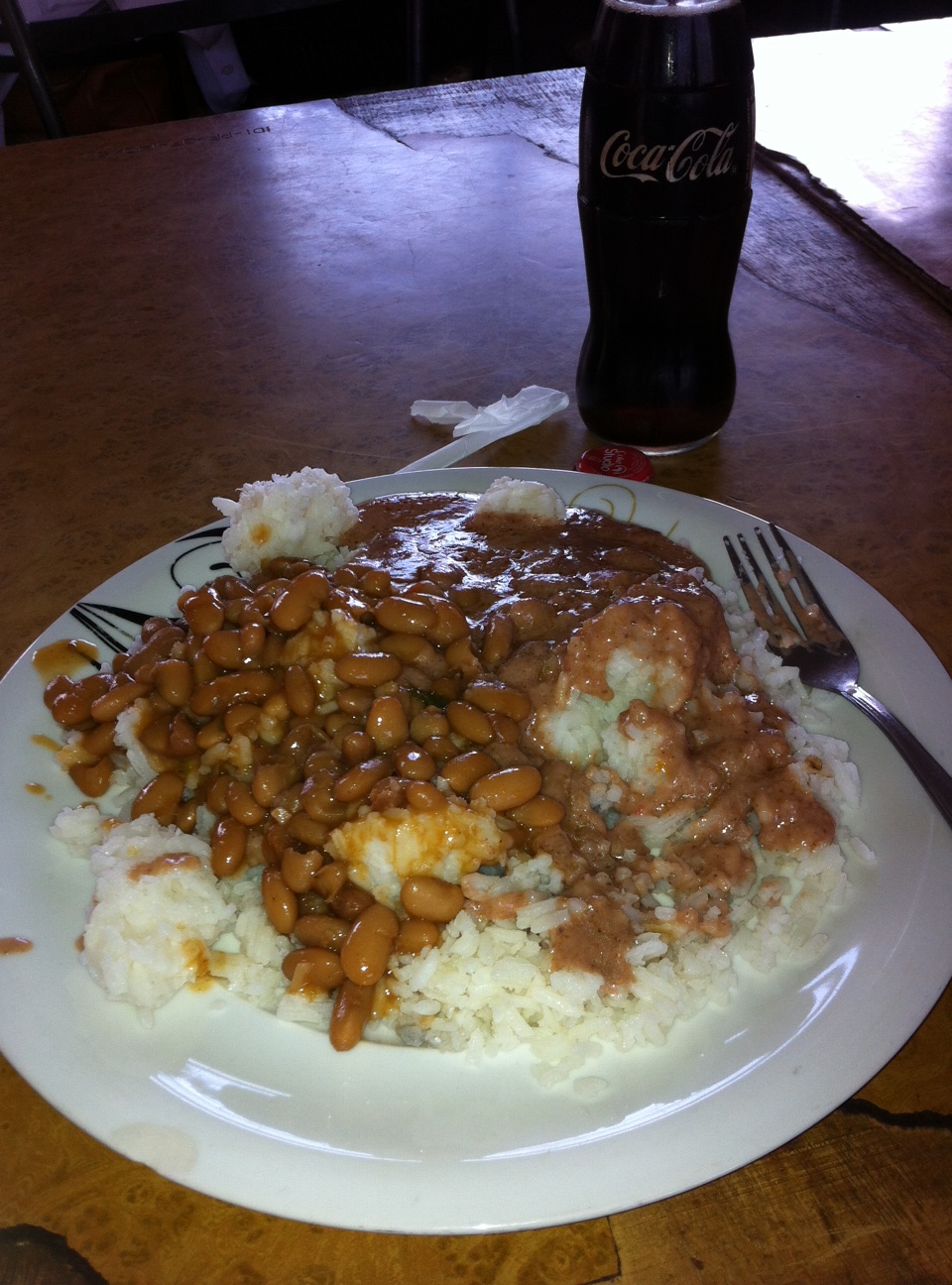
Patrick and I had a delicious lunch of Beans and G-Nut Sauce over Rice (G-Nuts are small nuts like peanuts that are gound up and made into a smooth sauce.  It has a slight peanut butter taste and is really yummy!)

Patrick and I had a delicious lunch of Beans and G-Nut Sauce over Rice (G-Nuts are small nuts like peanuts that are gound up and made into a smooth sauce. It has a slight peanut butter taste and is really yummy!)

In addition to working with the students, I was able to meet up again with Patrick and Vicky, the Pharmacists who had come to the USA for Pharmaceutical Care training with me a year ago, as well as several of the Interns I knew from before. It is so nice that I am beginning to feel comfortable and at home at Mulago Hospital. Since this is my 5th time working at the hospital over the past 2 years, I have seen many positive changes. More often pharmacists are working with physicians and they, along with the nurses are definitely more accepting of us on the medical wards. I think they are realizing that our whole goal is to improve patient care and working, as a team, each healthcare provider using our own unique abilities, is better for patients. We have a long way to go, but I am still completely optimistic that with the right support such as onsite mentoring of pharmacists by people like Joe, Susan, and me, and of course patience and time, the healthcare for patients at Mulago Hospital and ultimately in all of Uganda will be improved.


Posted in Diseases/Health, Fulbright Specialist Project | Tagged , , , , , , , , , , | 4 Comments

Glad to be Back in Uganda Again!

Greetings!  I have arrived back in Uganda safe and sound.  My flight began at 11am on Friday, October 24 in Wilkes-Barre, Pennsylvania (that was 6pm Kampala time) and I reached Entebbe Airport, Uganda at 10:30pm on Saturday October 25 (3:30pm Pennsylvania time).  It was a long journey but all went smoothly.  I had a nice surprise on my first long flight from Detroit to Amsterdam when I was upgraded to a Business Class seat because a family wanted to sit together in an area that included my original seat.  This was the first time I had ever been in a seat other than Economy or Coach and I have to say it was quite nice!  You get to order from a choice of 4 different meals on the menu and immediately upon being seated, before the flight takes off, you are offered champagne or orange juice.  The best part is that the seat lies all the way down and your feet can be put up so sleeping on the long 7.5 hour flight was easier.  I have to say it was all a bit surreal, though.  I kept thinking that this must be kind of what it was like to sail the Titanic- I was now on the upper decks being catered too while most of the people were crammed into the lower decks.

On Sunday I went to church with my housemate, Monty, and his wife who was visiting from North Carolina.  The wife, Lydia, of Monty’s boss, the Dean of the School of Biomedical Engineering, picked us up and we accompanied her to All Saints Cathedral, which was part of the Church of Uganda.  The service was great! Once again, the church was packed full and other members were seated in tents outside.  This is so different from most of the churches in American where many of the pews go empty on Sunday mornings.  The service was full of lively music, singing, and dancing.  The preacher was a guest- the retired Arch Bishop of the Church of Uganda.  He spoke English but felt more comfortable speaking through an interpreter in his native Luganda.  The two of them, the Arch Bishop, and his interpreter, were quite entertaining to watch, along with providing a good message- we are given new life in Christ so go out and live it!  The interpreter didn’t only translate the words into English but also mimicked the gestures and wild enthusiasm of the Arch Bishop as if he was giving the sermon himself.  I found out later that the interpreter, whom I think was a priest himself, was always with the Arch Bishop which explains why the two worked so well in tandem.  After the service we all went to a nice and relaxing lunch together at a local coffee restaurant called Javas.  The food and coffee was delicious.

Back at Edgehouse, the name of the visiting scholar house where I stay on campus, I greeted the staff and talked for awhile. It was so nice to be back among friends and receive such a warm welcome.  I basically took the day slowly and enjoyed time with Monty and his wife, Kate, then unpacked and then got a good night’s sleep on Sunday.  It seems that I have been able to pretty much avoid jet lag this time and on Monday morning I was ready to go to teach classes.  Could the seat in Business Class have made the difference???? 🙂

On Monday morning and throughout the day I was greeted with enthusiasm by the students and faculty as I taught 6 hours of class- the Pharmaceutical Care Skills Lab.  What a wonderful feeling to be among people who are so glad to see you!  As usual, though, I have jumped right back into my important work here and already have a to-do list a mile long.  I am really thankful, though, for this dedicated time I have in Uganda to completely focus on the work of helping to advance pharmacy practice here so that patient health outcomes can be improved.  When back in the States, this project is always on my mind, but I can accomplish so much more when I’m here because I can immediately bounce ideas off of the people I’m working with and try them out.

Today, Tuesday, I’m off to Mulago National Referral Hospital to work with the pharmacy students in the experiential setting as they practice their new skills while taking care of real patients.

Posted in My Safari (My Journey/Adventure) | Tagged , , , , , , , , , | 2 Comments