A Ugandan Worship Experience

April 11, 2016

We all had a fantastic weekend. Normal work was put aside and on Saturday we took a leisurely trip to Jinja, the Source of the Nile River.  I will post a photo collage later today to tell that story. A few of us had the opportunity to go to an Anglican Church on Sunday, All Saints in Nakesero, Kampala, with a friend of mine. The order of worship and liturgy is very similar to the Episcopal church, which is similar to my home church, Lutheran, and also to Roman Catholic. But, worshiping in Uganda is a pretty different experience from worshiping in the USA so I want to highlight a few of the interesting distinctions.  First and foremost, this service was lively. The music was upbeat, the choir sang as they danced and ad libbed to the songs, the congregation was on its feet and you couldn’t help but clap and dance and sing along.  The service is projected on screens on both sides of the front of the church. I was very thankful for that because I was sitting next to a pillar which blocked my view of the alter.  I was able to see on the screen the clergy and worship leaders and at the same time read the words to the hymns. I’m not sure how they did it, but they were able to superimpose the lyrics on top of the video of the service- great technology.

Then there was the large number of people present. It is rare in the USA to see a church service packed to the gills so that people need to also pack full a covered tent outside. After the service we spoke with one of the worship leaders and he said the congregation is about 7000 and at our particular service there were between 1500 – 2000 people. They have 3 additional services as well on Sundays and one on Wednesday evening.

Another interesting thing was that a woman who was having her 60th birthday came forward with her large family and brought extra offerings (money-donations to the church to carry on the work of God) in praise of God for her Birthday and wonderful life. Can you imagine this happening in the USA?  Once you get past a certain age, we tend to hide it and I’ve never heard of anyone at any age who actually stood up in church to thank God and give offerings to the church.

At every church service there is a time when the “Bans of Marriage” are read.  One of the students had thought this was a reading of people wanting to get a divorce, but it is actually the opposite. When a couple wants to get married, they tell the church an it is announced as the 1st time of asking to be married. These are read aloud and if anyone in the congregation has a reason the 2 should not be married, then they can speak up. Now I’ve never heard anyone speak up but I’ve asked Ugandan friends and was told that this does happen. An example would be if the man was already married to a woman in a different village. This process actually happens 3 times (2 more times of asking to be married) before the church will grant the wedding.

At the announcement time, the Pastor told the congregation that offerings can now be accepted by Mobile Money.  This is a financial process that has really enhanced progress in Africa. Many people here don’t keep their money in bank accounts which may require a minimum and charge a fee. But Mobile Money is where you can add money to your phone and then send it to anyone or pay bills at the supermarket or pay your utility bill, and now even pay the church your offering. My driver, Haji said that it is more convenient than the bank because these MobileMoney kiosks are everywhere. You can even keep really large sums of money safely in your phone account.  I wish we had this in the USA.

Finally, there was a woman at church who gave a testimony about how God has watched over her and saved her numerous times in her life. Most notable was when she was abducted then shot in the head and left for dead. This happened many years ago and although her body was brought to the hospital to be sent to the morgue, a Ugandan surgeon attempted to remove the bullet and was successful.  But, it left the woman in a coma for 5.5 months.  No one thought she would ever wake up and have a productive life, but she did. She regained her intellectual and physical capabilities and has been serving others in thanks to God since then. What was amazing is that even though I’m sure the surgical facilities were much lacking as compared to the Western world, the surgeon was obviously very skilled and was able to save her.

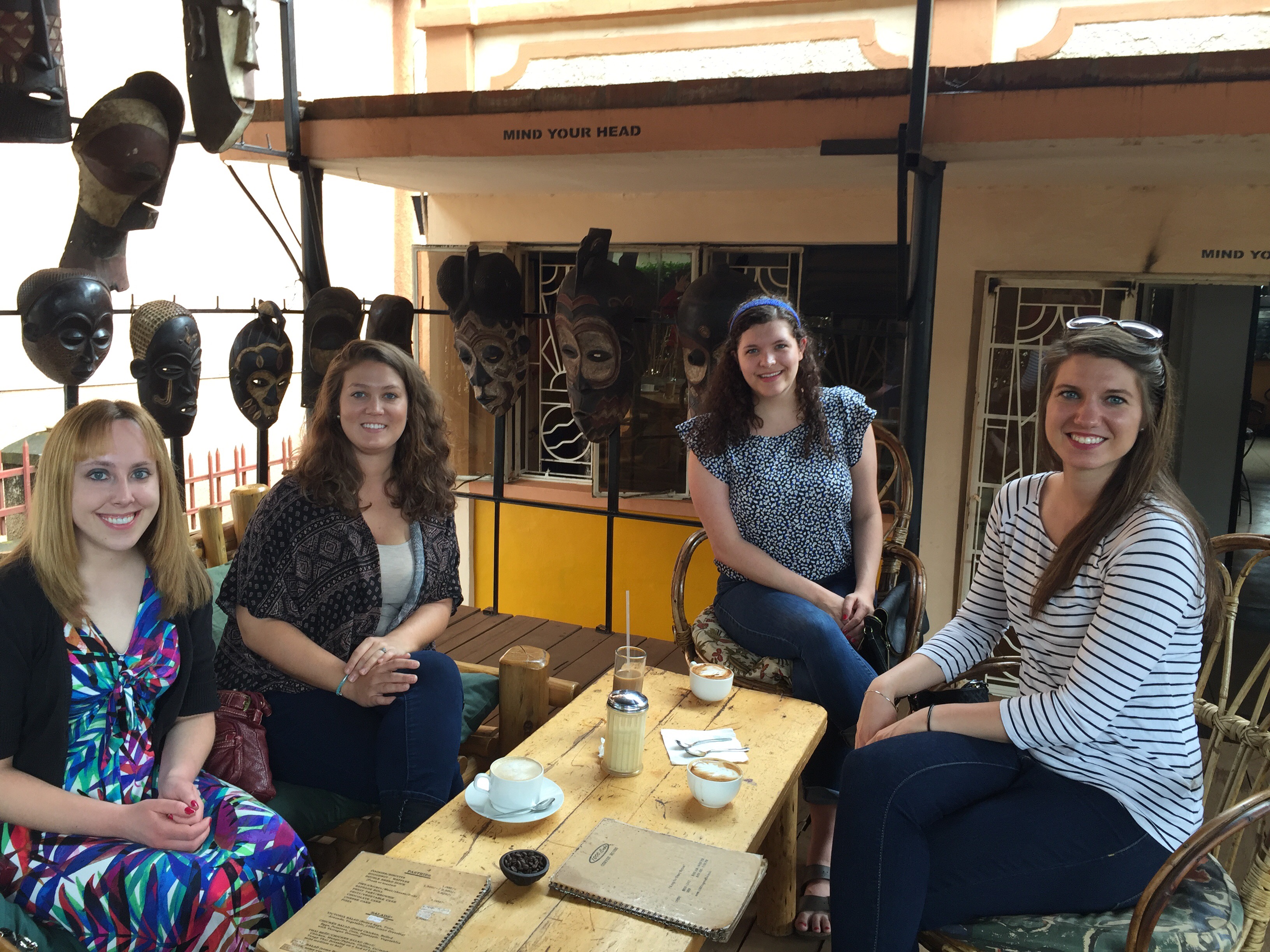
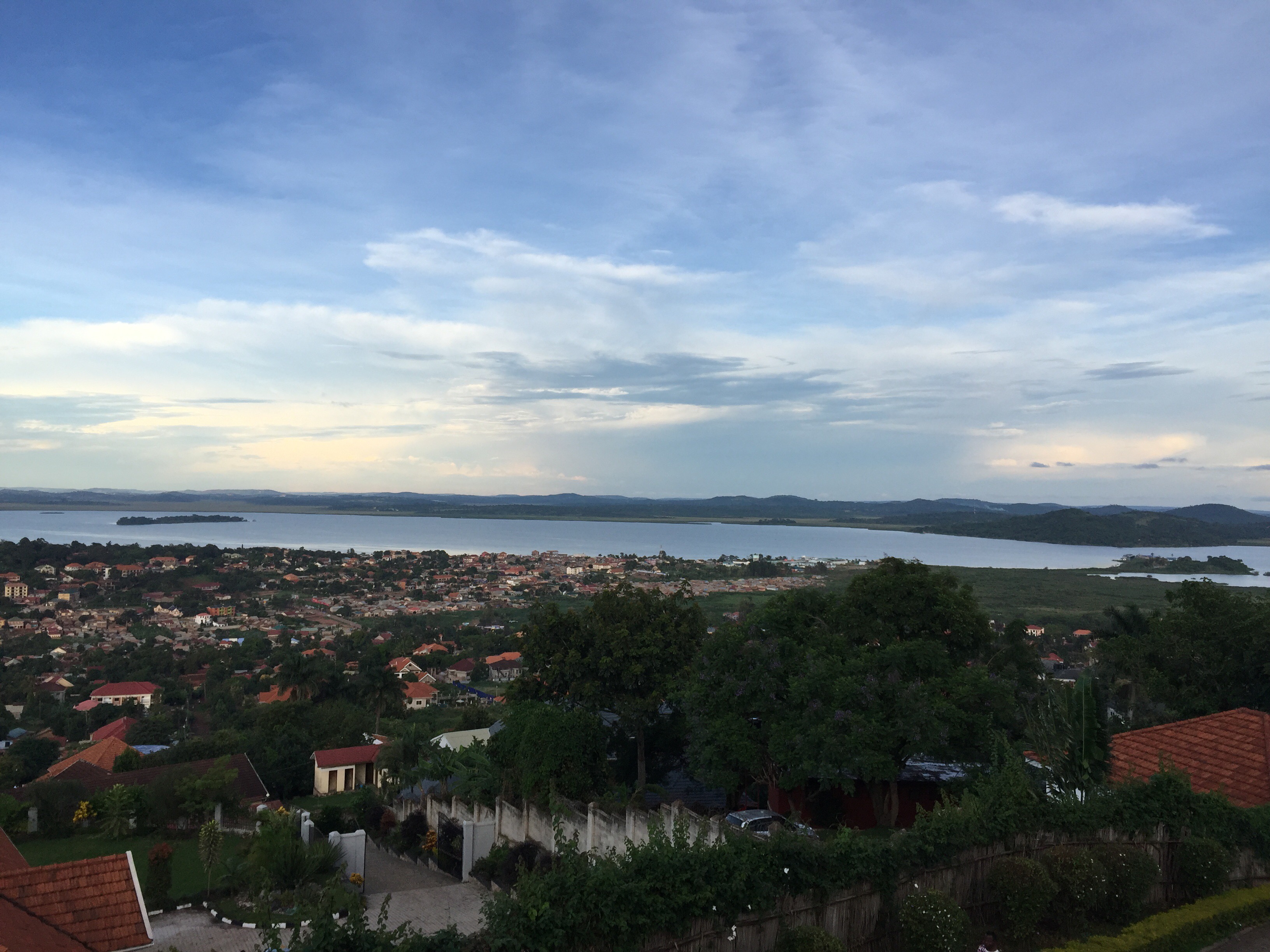
We also went for coffee at a local place that roasts their own beans, to craft shops and to dinner at a beautiful restaurant overlooking Lake Victoria. 


Posted in My Safari (My Journey/Adventure), Uncategorized | Tagged , , , | 2 Comments

Pharmacy Student Adventures at Mulago Hosital

April 9, 2016:  A Blog Post by Casey

IMG_6613

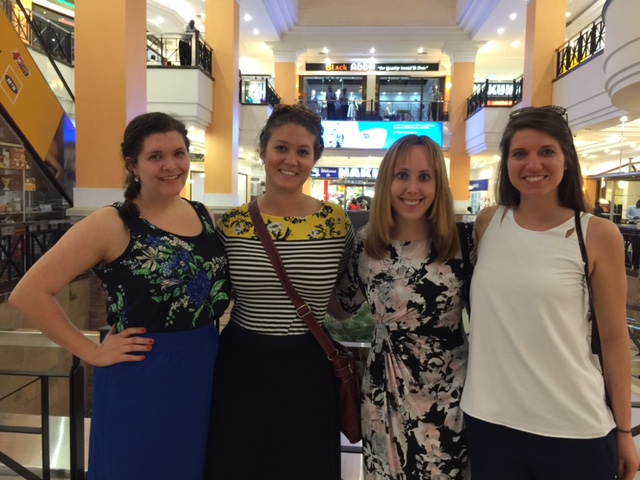
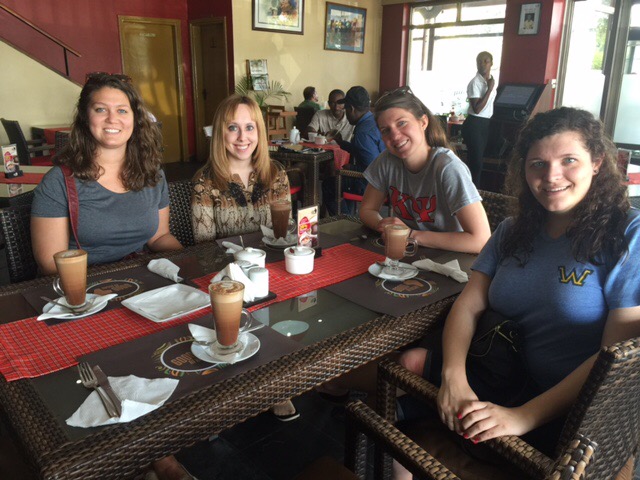
Enjoying a nice dinner after a long day at the hospital at a restaurant in the very modern Acacia Mall in Kampala. This mall has only been open about 2 years, if that.

We spent Friday at Mulago hospital. Makenzie and I were in the maternity ward for half the day and then went over to the pediatric unit. Kassi and Lauren spent all of their day in the pediatric  unit. Makenzie and I had quite the eventful day. We started our day off in the maternity ward helping the pharmacist dispense medications. The standard of care seemed to be:  dispense 3 of the 75mg ampules of diclofenac (pain killer), 2 of the 1g vials of ceftriaxone, and 3 of the 500mg metronidazole IVs (both antibiotics). Here in Uganda patients are given their medications for the entire day in the morning and then the medication is either taken by the patient as directed (hopefully) or if it is an IV medicine,  administered by a nurse. After we finished dispensing medications the pharmacist, Roger, gave us a tour of the ward. WHAT a tour it was. We went to the labor and delivery ward where we saw ALOT. The women here have a curtain in front of the bed but no curtain separating them from the women beside them. There were about 5 or 6 beds on each side occupied and then about 6-8 women waiting for a bed to clear up so they could give birth. Some women were naked and in the middle of giving birth, some were clothed. Only a few were screaming. They do not give epidurals during labor here-only afterwards if they need to stitch the women up. The women here receive diclofenac, an NSAID pain killer, for labor pains. After that we then proceeded into the OR to witness a C-Section. Before we went into the operating room we had to take our shoes off and put crocs on. Just to clarify the crocs were provided for us-we do not own crocs. They just have a bunch of croc shoes sitting on the floor inside the OR and you slip off your own shoe and slip into one of the pairs of crocs.  After we changed our footwear we went into the OR and observed. I had never seen a C-Section before, Makenzie has, so I was quite stunned. It seemed as though the surgery went well and the mother gave birth to a baby boy! They asked us if we wanted to watch and observe the mother get stitched up-at this point I was nauseous and overwhelmed  so I asked to opt out and leave. After we put our normal shoes back on we went over to Jeliffe, the pediatric ward, and met up with Lauren and Kassi. Lauren and Makenzie went to the sickle cell patient unit and Kassi and I stayed in the cardiology/pulmonology unit. Kassi and I saw patients with suspected bronchiolitis, pneumonia, HIV, heart failure, and endocarditis. Lauren and Makenzie were in the hematology unit where they saw multiple sickle cell patients. They discussed different antibiotic regimens with the attending and fellow residents.

IMG_6615

I bet you could never guess this mall was in Uganda if we didn’t tell you! You can’t really see it in the picture, but it has an indoor waterfall behind the women.

IMG_6626

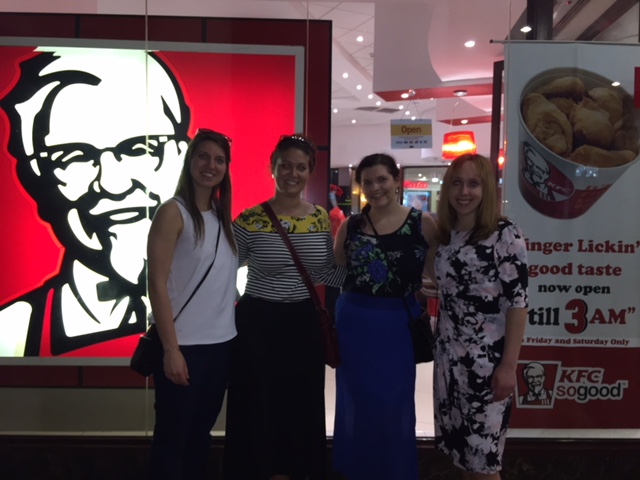
It was a hard decision, but we passed up this KFC (open until 3am) for a lovely little cafe (pictured above)

Posted in Diseases/Health, My Safari (My Journey/Adventure) | Tagged , , , , , , , , , | 2 Comments

A Pharmaceutical Care Presentation to Mengo Hospital

April 8, 2016

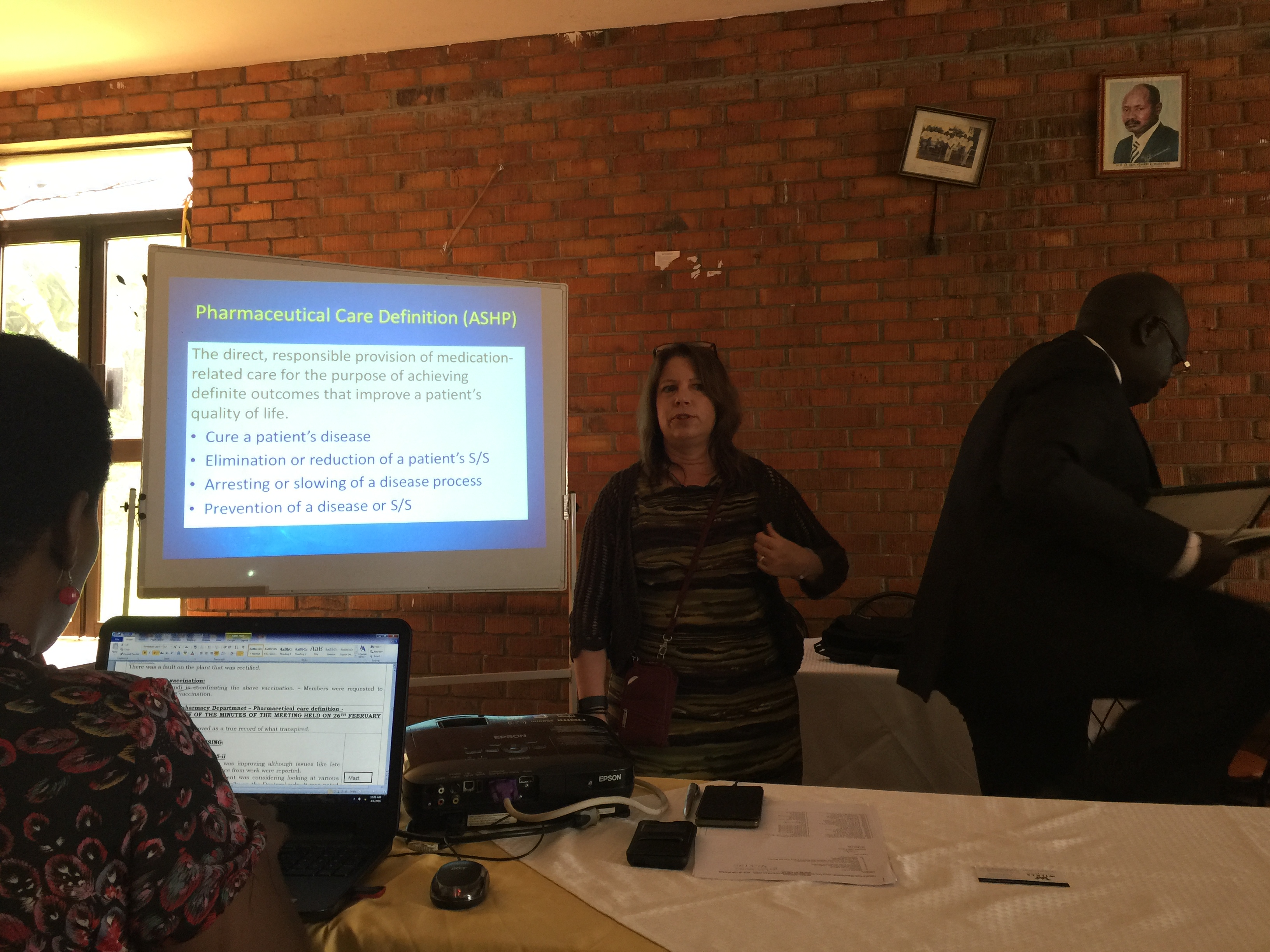
Presenting to the physicians of Mengo Hospital April 2016

Presenting to the physicians of Mengo Hospital April 2016

Today was an excellent day!  I started the day by attending a Physician’s meeting at a small, private, faith-based hospital, Mengo, in Kampala.  Carole, the Director of Pharmacy, had asked if I would present a talk about Pharmaceutical Care to the Medical Staff so they would better understand how a pharmacist can work as a healthcare team member to enhance patient care.  I met Carole last year and spent some time with her Pharmacy Interns rounding and teaching them back in September.  I had also given a talk to a small group of clinicians. Before I left, I encouraged the Interns to continue the work we started and round on the wards with the doctors. But, apparently some of them were feeling like they weren’t welcome on rounds so Carole thought a presentation to the Physicians would be helpful.  I couldn’t agree more with her insight. We had talked about this by email months ago but somehow we never scheduled it due to an email malfunction. So I didn’t actually find out that I was doing the presentation until the day before.  Fortunately, I had some old slides I could modify and I am so passionate about this anyway, I could talk about it off the cuff at anytime.

The meeting turned out to be a mandatory for the medical staff and it was very well-attended. Almost all of the physicians and some nurses and pharmacists were present.  The formality and cordiality  of meetings here in Uganda never ceases to amaze me. In the USA, most meetings are rather casual. There is an agenda and minutes to approve, and a chair, but other than that, the conversation is informal. For example, most of the meetings I’ve attended here start with prayer. Then for this meeting they reviewed the “apologies”. That was a reading of the people who had informed the Chair that they would be absent from this meeting. They reviewed the agenda to see if everyone agreed with it. Then we heard opening remarks by the 2 head physicians with Q&A. Then, I was asked to present. I kept to my 15min but they were very engaged and kept me answering questions much longer. The talk was well-accepted and the Deputy Director agreed at the end that Pharmacists becoming more active in direct patient care and collaboration with other healthcare professional is important to their mission to be a “Center of Excellence”.  I think one reason my presentations are so effective, is that since this is my 9th trip to Uganda, I have become to understand a lot of the nuances of the healthcare challenges they face. In addition, I’ve seen many patients and directly worked with them and other healthcare practitioners and I can use this experience as my examples. So I am not another foreigner coming to Uganda to tell them how much better things work in the USA, giving them ideas and procedures that aren’t possible to implement here.  Instead I really try to focus on what will work and is doable.  The students and I are planning to work at Mengo Hospital 2 days next week to model pharmaceutical care and interact with the patients to help identify possible drug therapy problems.

Mengo Hospital Healthcare Providers

Mengo Hospital Healthcare Providers

I spent the rest of the day at the pharmacy school. I had an appointment to talk with my primary and original collaborator, Professor Richard Odoi, but once I was back, I ran into many of my Faculty friends and students and got into many conversations. When I did meet with Professor and then Kalidi, another faculty who joined us, we were able to jump deep into a planning session for the way forward in growing this program just as if I’d been here daily for months.  I certainly ended my day on a “high”. It’s good to be back in Uganda!

You may be wondering where the students have been since they weren’t mentioned.  They have become well-adapted to Mulago hospital and have met and worked with many interns now so I gave them their freedom to meet up with the Interns and figure out their work plans for the day.  I checked on them by text during the day and all was well, as I expected. In fact, they all managed to have adventures of their own which Casey will tell you about soon.

Posted in Uncategorized | Leave a comment

Healthcare Challenges in Uganda

April 7, 2016:  A Blog Post by Kassi

IMG_6588

Casey and Kassi are ready for rounds. They are standing outside of the central pharmacy at Mulago Hospital

Today was the first day that we were split up and it was very interesting. Makenzie and Lauren spent the day at IDI and Casey and I rounded at Mulago Hospital in different wards.

Casey and I started our day rounding with a GI team, which consisted of an attending physician, a few Ugandan residents, an internal medicine resident from Stanford University and some Ugandan nursing students. While rounding on the first patient, the senior resident briefly presented the patient from the paper chart on the patient’s bed and the attending physician completed a physical exam. This patient was discharged from Mulago a week ago after being diagnosed with peptic ulcer disease and sent home on a week’s regimen of amoxicillin, clarithromycin and omeprazole – which is the standard for PUD treatment in Uganda. She was back at Mulago complaining of abdominal pain and itching from allergic dermatitis. During the discussion for the assessment and plan for the patient, the senior resident briefly mentioned the patient’s home medications – an ARV regimen (these are the drugs to treat HIV infection) including and sulfamethoxazole/trimethoprim. The team then moved on to the next patient, but Casey and I wanted to look more into the patient chart. We saw several papers describing the patient’s medications, which included several medications of different classes that were not mentioned at all during rounds. There were no clear indications for most medications we found listed in the patient chart. With translation assistance from Ivan, a pharmacy intern, we asked the patient and her caregiver if she had her medications with her and she presented them to us. She had several small bags full of medications that contained about 8 different antibiotics, various PPIs and H2 antagonists and a completely different ARV regimen than what was presented during rounds. There was an obvious discrepancy between what medications she was being prescribed, what was recorded in her chart, and what she was actually taking at home. Ivan, Casey and I completed basic medication reconciliation and I asked Ivan if he regularly completes med recs with patients. He responded that he doesn’t have the time to work with patients like this all the time, but when he does he simply takes all the medications the patient doesn’t need back to the pharmacy. I also asked Ivan about his contributions to rounds. The pharmacy interns do not pre-round, because they have to balance several different wards rounds with dispensing responsibilities. He stated that he does not usually contribute during rounds unless drugs are specifically mentioned or if he is asked a direct question. He said that physicians have a flow to their rounds, and he doesn’t interrupt so he waits until all of the rounding for the day is finished, and then he will give his comments to a resident. This really opened my eyes to the hierarchy here at Mulago. It can be difficult for the pharmacists’ to contribute to rounds because the physicians expect to be trusted and not questioned. Casey and I explained to Ivan how we round in the USA, and how our contributions to the team are for the benefit of the patient. This patient is a perfect example that there were discrepancies where pharmacy intervention was entirely appropriate and necessary.

IMG_6590

Although you can’t see Casey and Kassi well because of the sunshine, you can get an idea of what Mulago Hospital looks like. You will never see patients in our pictures so that their privacy is protected.

After working with this patient, I switched from the GI team to a pediatrics ward with Eunice, another pharmacy intern. It was Eunice’s first day in the ward so a nurse gave us a tour and I joined the pediatric cardiology rounding team. We rounded on a 13-month-old patient who was premature with bronchopulmonary dysplasia and presented to the ward a week ago with RSV bronchiolitis and a possible super imposed bacterial pneumonia. She had been on IV ceftriaxone for a week but was not clinically improving and still had high fevers and she had also developed a new heart murmur. The attending physician suspected that she had an infective Strep endocarditis and wanted the patient switched to meropenem. I’m sure that the pharmacists and physicians reading this probably have questions about that decision. I don’t want to get too much into detail about that specific choice and how ceftriaxone is still an appropriate treatment for Strep endocarditis, but I do want to talk about the meropenem and the supply of antibiotics at Mulago. There are not many antibiotics on formulary here, and there isn’t a consistent supply either. During rounds the physician asked Eunice if we had meropenem in stock in the ward dispensary. There was no meropenem is our ward so we walked to another ward to check their supply, but they were also out. We reported this to the physician and she asked if the mother could go buy the medication elsewhere. It is common at Mulago to have caregivers of patients go buy out of stock medications at a community pharmacy and then return back to the hospital for it to be administered. However, meropenem is expensive and the patient’s family would not be able to afford purchasing it over the counter. The physician then stated that the patient would just have to wait until tomorrow for an antibiotic and hope that meropenem comes in. This astounded me. I could never imagine a physician in the USA not being able to treat a sick child due to the lack of a medication. Whenever I have had to deal with medication shortages, there are always lists created of alternatives until that medication comes back into stock. There was no discussion of alternatives or continuing the ceftriaxone until the meropenem was available. I suggested to the physician that she should continue administering ceftriaxone, but at a different dose, and she agreed to continue that.

IMG_6592

Casey and Kassi with Patrick, one of the Pharmacists at Mulago. He’s been making sure we are introduced to the physicians and interns and are all set for rounds and

These experiences have made it clear that more pharmacist intervention is needed at Mulago. I never realized how desperately these basic clinical skills are needed for pharmacists here and how I have taken them for granted. I am excited to continue teaching the pharmacists and pharmacy interns the basic clinical skills we are taught at Wilkes.

Outside the hospital, my Uganda experience has been just as wonderful. The people are very welcoming and friendly. The weather is sunny and beautiful, although it does get humid and my hair doesn’t quite agree with it. We have been eating lunch at various canteens around the hospital campus and we eat the local foods there. After work, we eat at various restaurants and talk with some other medical volunteers staying at the Guest House. My only complaint is the birds that look identical to pterodactyls and apparently are large enough to swoop down and take kittens off the ground. We are really making the most of our time here and I am very excited for the rest of the week at Mulago.

I would love to talk more about these past few days, so if you have any questions or comments about any part of my experience please email me at kassandra.bugg@wilkes.edu.

Posted in Diseases/Health, My Safari (My Journey/Adventure) | Tagged , , , , , , , , , , | Leave a comment

A Great Day at the Infectious Diseases Institute (IDI)

April 6, 2016


The Wilkes students await the beginning of the Switch Meeting

 On Tuesday, our 2nd day in Uganda, the team was priveledged to work at the Infectious Diseases Institute (IDI).  IDI was developed as an NGO (non-governmental organizion) within the College of Health Sciences at Makerere University in 2002 with a mission to strengthen the health systems in Africa. (http://idi-makerere.com/) Most of the initial work was to improve access to testing and treatment for HIV infected patients in Uganda.  Currently, as this has greatly improved since the inception of IDI in Uganda, their clinical work focuses more on the management of complicated patients with HIV. They still maintain a huge teaching and outreach program to train healthcare workers across Uganda and in other African countries. They also maintain a strong research focus and study drug therapy, drug interactions, the effect of other infections like malaria on HIV treatment and outcomes- basically anything related to HIV-so that patient care and quality of life can be maximized. 

The day began as we were welcomed to attend the regular weekly “Switch Meeting”. This is a multidisciplinary meeting of Pharmacists, Physicians, Nurses, and Counselors who meet to discuss the care and possible change of HIV medications for specific patients who are not improving and/or failing current treatment.  The room was filled and approximately 30-40 practitioners were present. After the Physicians and Counselors presented the patients, there was an open discussion. It was interesting to learn how social issues with the patient and his/her family could affect the patient’s response to drug therapy.  For example, a patient who usually is very adherent to their medications has a spouse that dies or becomes divorced which causes the patient to become depressed. This in turn can lead to forgetting to take his medications and I think most people know that HIV is not curable and to control the HIV virus so it doesn’t cause major problems for the patient, taking the medications on time and regularly is critical.  Even missing a single dose puts a patient at risk for the virus to become resistant to therapy.  So, if a patient starts missing doses of medication, their clinical condition deteriorates.  It take the team of healthcare practitioners working together to identify that this is an issue so that the patient can be helped. It was also eye-opening to realize that Uganda basically only has 1st and 2nd line drug options for their patients. So if a patient fails first-line therapy and then fails second-line therapy, there is not much more that can be done.  Some newer drugs that are readily available in the west can be purchased for a fee at local pharmacies, but they are so expensive that most patients couldn’t afford them.  In the USA, we have far surpassed the available options for patients in Uganda, yet, the regimens that are available here have made a huge reduction in the death rates due to HIV as well as have reduced the transmission rates from pregnant mother to child.  One of the components of the holistic care the patients receive that is essential to success of treatment is the counseling and support systems that are in place for Ugandan patients with HIV.  

Kassi, Dr. Noela, Eva, Casey, and Lauren at IDI

 In the afternoon, the students worked on a project.  In September 2015, I met with IDI pharmacists, Eva and Julian, and a physician, Dr. Lamorde, to discuss a potential collaboration that would be mutually beneficial relationship for IDI and the Wilkes Pharmacy Students. So, for this trip, we decided that the students and I would help conduct a small chart review to look for drug therapy problems, specifically drug dosing issues in a sub-population of high-risk HIV patients. The IDI chose to have us look at the data for their patients with kidney problems (renal disease). The IDI is much more advanced that the national government healthcare system in terms of record-keeping and we were not only able to review patient paper charts, but we were also able to gather data from the computerized medical record.  The goal is to help IDI identify high risk patients that would benefit from a pharmacist’s review of their medical record so that optimal and safe medication use can be assured.  The students and I also hope to leave them with a renal dose adjustment policy or guideline so that they can begin this work on their own.  Since we are only in Kampala for 2 weeks and also have committed to work at other hospitals, we have our work cut out for us.  All in all, it was an excellent day!

PS:  One of the announcements made at the end of the Switch Meeting was made by Dr. Noela, as pictured above.  She reminded everyone that Thursday is World Health Day and this year’s focus is on Diabetes.  She encouraged all practitioners to educate their patients about the prevention of Diabetes. She also had a saying, that I think could be applied to many scenarios and I want to share it with you. “Sing the songs we’ve been singing, but sing them louder.”  I will remember this for the future as change in any context is hard and we, as healthcare practitioners, need to be persistent in all our endeavors to improve patient care.

Posted in Diseases/Health, My Safari (My Journey/Adventure) | Tagged , | Leave a comment

Our First Experiences at Mulago Hospital, Uganda

April 4, 2016: A Blog Post by Makenzie

IMG_6575-massive rain

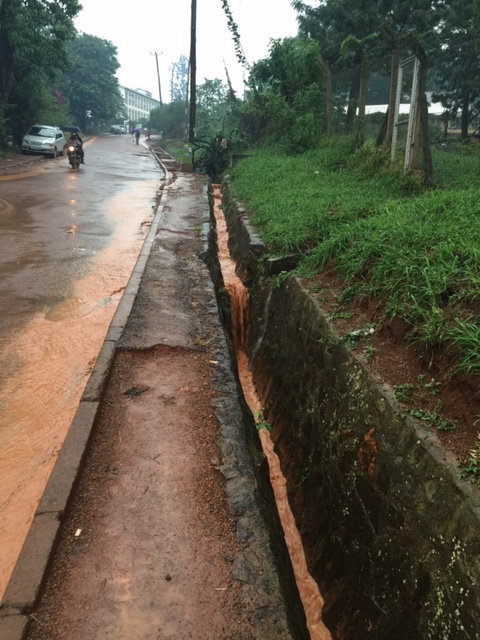
Torential Rains fill the built-in gullies next to the road.

Today we began our first day at Mulago National Referral Hospital in Kampala, Uganda and it was a rainy one. While this is expected given the time of year here, combined with the construction it made for an interesting journey over to the hospital. We were greeted warmly by the pharmacists and interns and each set out to see various activities throughout the hospital. I worked in the dispensary with a pharmacist to see how that process works within the hospital. It is a similar process to a community pharmacy, but also very different. Drug shortages are an issue within the hospital and many people are sent out to purchase on their own the IV/oral medications needed at another pharmacy. These are then brought back to their loved ones in the hospital.

IMG_6577-First Ugandan meal

Kassi, Lauren, Makenzie and Casey eat their first Ugandan food. The brown sauce is G-Nut sauce (made of a nut very similar to peanuts) and this was a big hit with Kassi. Lauren is sitting in front of Dr. Bohan’s Green Peas and rice which Makenzie was eating Beans and Rice.

Casey and Kassi rounded with a team in the Pulmonology unit and saw cases of CHF, ascites, and diabetes. While the rounding set up is similar to that in the United States, the questions and resources are quite different. They were asked to determine an insulin dose without an A1C or blood glucose or really any type of reference in a severely uncontrolled diabetic. Lauren and Dr. Bohan met and rounded with a doctor from Switzerland who was supervising some Ugandan physicians and saw cases of PCP, C-Section infections and tetanus. We also all had exposure to the maternity ward, which was something unlike any of us had experienced. There were mothers and babies in every free inch of space. We are looking forward to discussing this with a few visiting OB/Gyn physicians who are also staying at the Mulago guesthouse with us and getting their opinions on the situation. Today we start another adventure at the Institute for Infectious Disease and will help them develop a renal dosing protocol for the drugs they dispense. We will keep you all updated as the process continues!

IMG_6579-Tamarai dinner

We ended the day with a relaxing meal of delicious Thai food at Tamarai in Kampala.

Posted in My Safari (My Journey/Adventure) | Tagged , , , , , , , , , , | Leave a comment

Uganda Day 1

April 3, 2016 

Enjoying some delicious Ugandan coffee drinks at Good African Coffee

 
Our first full day in Kampala “went great” in the words of one student. Another student, when asked about Uganda, said “it’s really nice”. We started the day with a breakfast of scrambled eggs served with a slice of avocado, toast, bananas, and fresh squeezed passion fruit juice. This is the regular breakfast served by the Mulago Guest House where we are staying. Although we went to sleep quite late last night, about 1:15-1:45am for the students and 2:30am for me, I made the students get up by 9am for breakfast as a way to combat the jet lag. The goal was to keep as busy as possible today so we can stay awake and then get to bed relatively early. If the plan works, we should assimilate to the new time by Monday or Tuesday. After breakfast our tour guide for our Safari to Queen Elizabeth National Park, Arthur from Econestim Tours and Travel Uganda, which will happen at the end of our month in Uganda, stopped by to meet the team and then we ran a bunch of errands to change our money, go shopping and go to the ATM machine. In the afternoon we had a long discussion about the Ugandan culture, our plans for the week and what the students should expect. We ended this lovely day with a delicious dinner at one of my favorite Italian places in Kampala, Mediterraneo. The food is great and the ambiance of candlelight while sitting outside under a large tree was peaceful and relaxing. The restaurant is kind of part inside and part outside and they have wooden decking covering the outside ground so the inside seems to merge with the outside. The waiters are very well trained and treat you like royalty. Tomorrow we will begin to meet our healthcare collaborators and partners at Mulago Hospital, Makerere University School of Pharmacy and the Infectious Diseases Institute. Now off to a good night’s sleep!  

This is a large grocery store in Kampala where just about anything is available


Posted in My Safari (My Journey/Adventure) | Tagged , , , , , , | Leave a comment

We Have Arrived in Uganda!

April 3, 2016 1:15am

  This is just a really quick note to let you know that we have arrived in Uganda safe and sound and are settled into our guest house. More later as we are all so exhausted from the journey. 

Posted in Uncategorized | 2 Comments

Halfway to Uganda

April 2, 2016: 

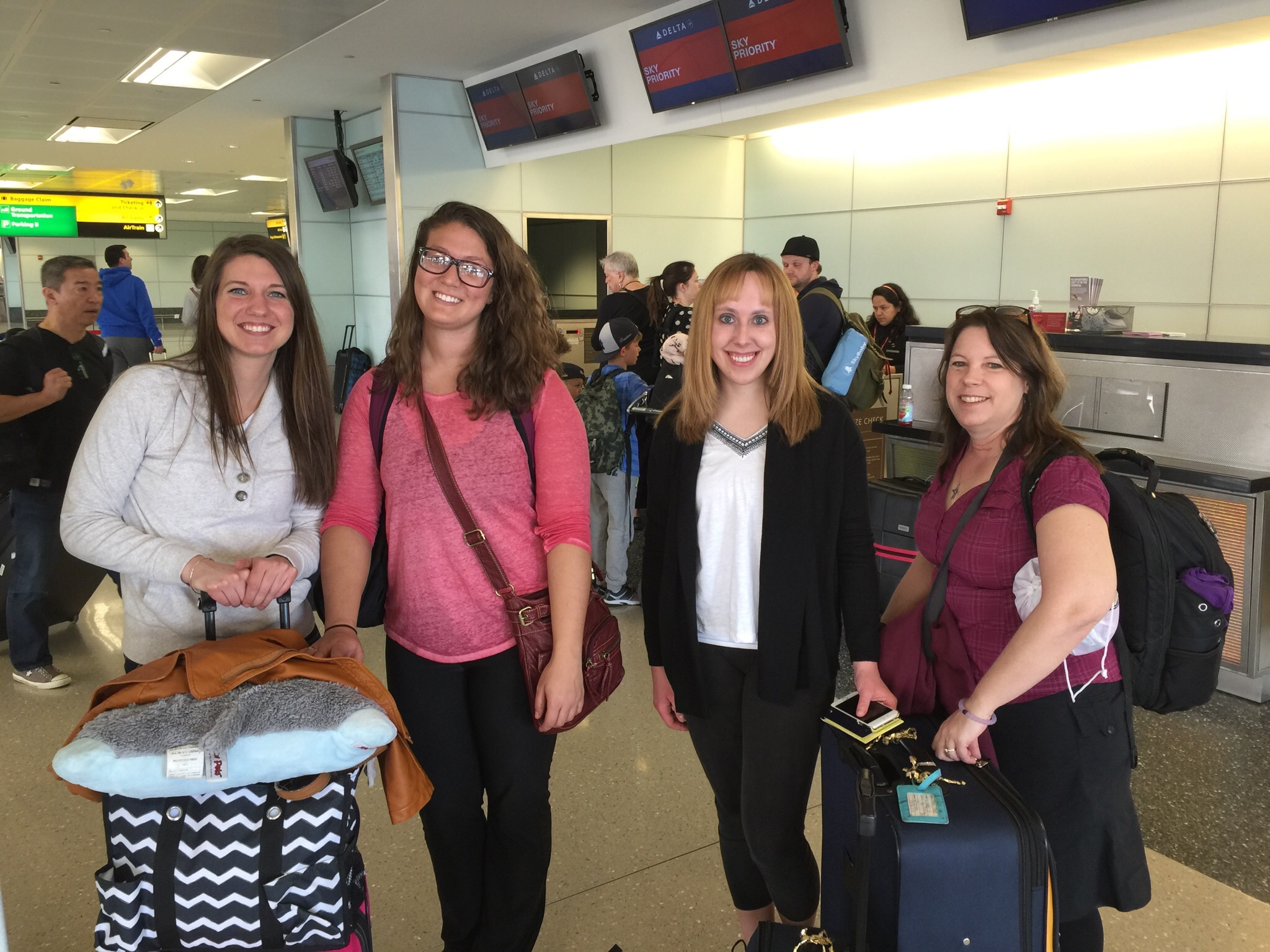
Casey, Makenzie, Kassi, and Lauren are ready to go!!

 We have made it to Amsterdam airport, our halfway stop on the way to Entebbe airport, Uganda! It was a slightly rocky start because none of us could check-in online from home 24 hours before the flight as Is usually done. The computer told us we had to check in at the airport kiosk and it said something about needing to show the credit card used to purchase the flight. I’m not sure if this will be a routine thing but it’s a little worrisome to me to have to do this because what if your credit card is lost or stolen or what if I had used a Wilkes credit card to purchase the flight, which of course I couldn’t have brought with me to Uganda? Well I thought there must be a way around this for such instances…I was wrong and I write about it here as a warning to others so that you don’t have the same issue, if this turns out to be a new process of heightened flight security.  Accidentally, one of the students didn’t bring the credit card used to purchase her flight, since she had used her father’s card. That seems like a common situation to me, a parent paying for a trip, but of course the father would need the credit card when she was in Uganda. So when she went to check in, and didn’t have the card, they wouldn’t let her and said they couldn’t just see a picture of the card.  They told her that her parents had to bring the card to Newark airport, which would have been a 2+ hour drive and she would have missed the flight. Eventually they said her parents could bring the card to a local airport which luckily was only 15 min from their home. So the issue was resolved and we still had plenty of time to catch the plane BUT… It could have been worse if her parents were much farther from the airport.  

Lots of luggage!!


Makenzie and Casey wait in line to check in

 
The other glitch was that when I went to check in my bags, I ended up having to pay $400 to check in 2 extra 2 bags beyond my 2 bag allowance.  When I travel to Uganda alone, I can manage with the 2 allotted bags- remember we are there for 1 month! But when I have students, I need to bring some extra stuff including a bunch of blood pressure cuffs for the screenings we will do, so I need 3 bags.  Since I’ve been a Delta Skymiles Silver member due to my frequent trips to Uganda, though, the 3rd bag has been free.  But apparently, this time my Silver status is no-more.  I didn’t know this could go away and I had to pay for the extra bag.  The final bag I had to pay for is filled with the books I’m bringing to the Pharmaceutical Society of Uganda for the pharmacy interns.  But, they agreed in advance to pay for the luggage fee.  I wish I didn’t have to charge them. We used to be able to bring books for free when we used to travel via British Airways, because they have a humanitarian rate that allows 3 bags per person. But, they no longer fly to Uganda.

But, despite those issues, our first flight was fine and we are now safely in Amsterdam awaiting our next flight into Uganda.  Stay tuned for more adventures from the Wilkes Pharmacy crew! 

Casey, Makenzie, Lauren and Dr. Bohan are all checked in, finally.

Posted in Uncategorized | 2 Comments

Uganda Countdown- 3 hours until Take-off

April 1, 2016: Introductions Continued

Casey

 Hello all, my name is Casey and I am currently a P4 student at Wilkes University. Prior to this trip I have visited the Bahamas twice, once when I was 12 and my most recent trip was 2 years ago. I am participating in the Global Health experience in Uganda to learn more about health care in general and also to broaden my horizon; I am aware that I have not been exposed to much. By going on this rotation I hope to become an overall better pharmacist who will be more knowledgeable of my patient’s cultural background. I also hope to gain more confidence while on this rotation. I have struggled throughout APPEs with building my confidence but have found that when I am pushed out of my comfort zone I tend to succeed better. I am originally from Shamokin, Pennsylvania. For fun I like to attend country music concerts, go running, cook, and I also like to clean.

Kassi:  

 Hello! My name is Kassi and I am a PharmD candidate from Wilkes University. I have worked in various pharmacies for almost 8 years and I have experience at an independent pharmacy and with CVS. After graduation, I am going to be completing a PGY-1 residency at Kaiser Permanente South Sacramento Medical Center beginning in June.  I have previously traveled abroad as a part of the study abroad program at Wilkes and I spent about 4 weeks in Europe, mainly in Madrid and Paris. I participated in a service trip to Costa Rica in high school and I have vacationed in Canada and several islands in the Caribbean. In my spare time I enjoy hanging out with my friends, traveling to new places, watching TV shows on Netflix, and spending time with my family and my 2 cats. I also enjoy community service and volunteering.  I am very excited to be going on this adventure with my peers and professors. I am going on this trip because I am deeply passionate about pharmacy, serving the public and travel. This is a once in a lifetime opportunity and I feel greatly honored to be able to participate in this experience.  

Posted in Beginnings, My Safari (My Journey/Adventure) | Leave a comment