A Relaxing Saturday in Kampala

This in not an official U.S. Department of State (DOS) blog and the views and information presented are my own and do not represent the Fulbright Program or the DOS.
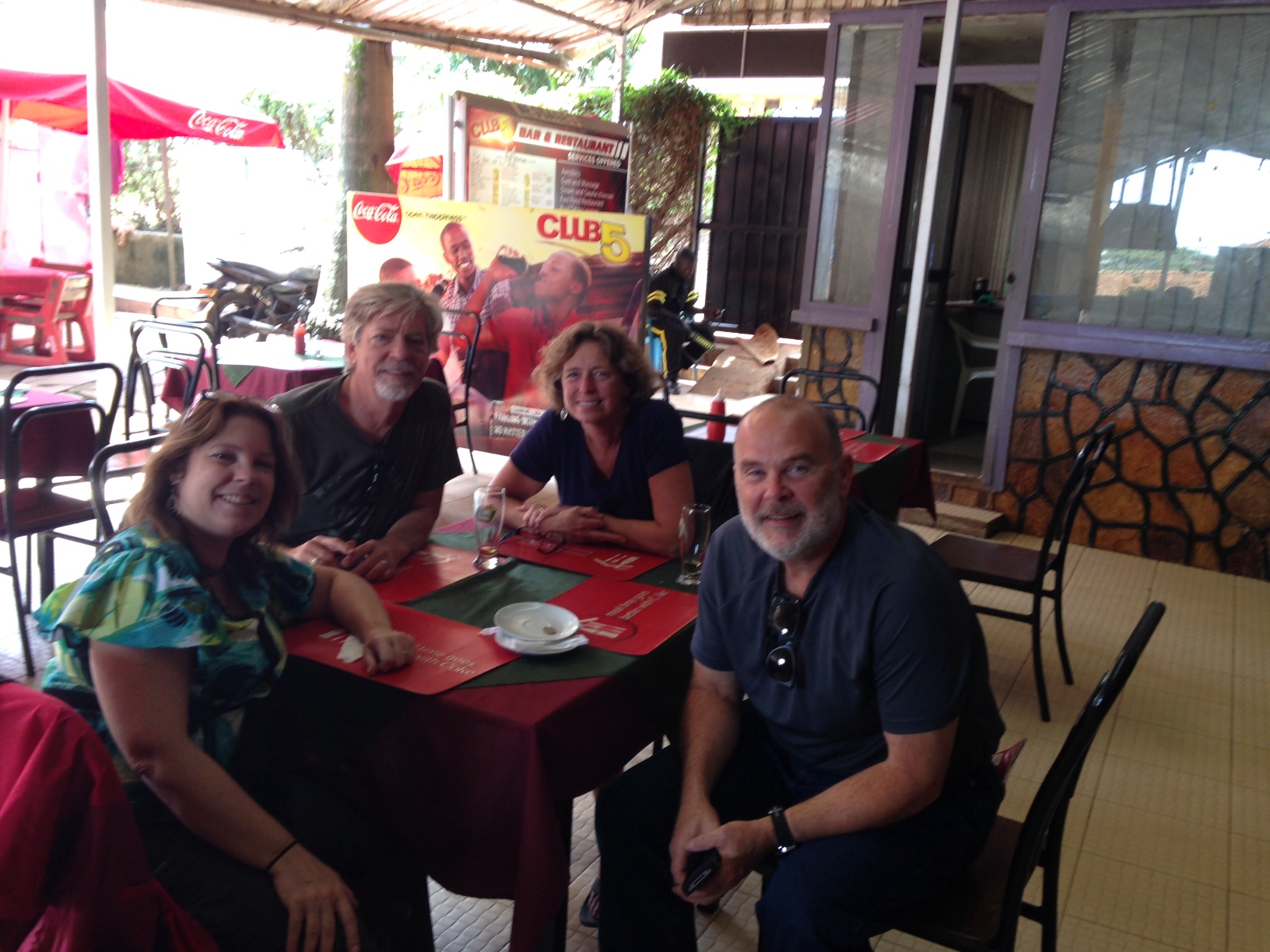
A Gathering of New Friends for lunch at a local Indian Restaurant: KarenBeth, Russ, Kiran, and Monty (clockwise from bottom center)

A Gathering of New Friends for lunch at a local Indian Restaurant: KarenBeth, Russ, Kiran, and Monty (clockwise from bottom center)

Although I woke up today intending to do a lot of work on the Pharmaceutical Care Curriculum, I ended up doing what most Ugandans do on the weekends, and that is to socialize with friends and go out and about on the town. I started off with the latter because I had to go out to run some errands. My very reliable and special hire driver [that is what a taxi is called here] and friend, Haji, picked me up about 9:45am and took me to the Marasa Reservations center where I could pay by credit card for the Safari Lodging for my upcoming trip to Murchison Falls National Park with my husband, who will arrive just one week from today. Then we went to the Orange Internet store to purchase more airtime for the phone and data plan for my wifi router. I also was able to stop by the grocery store and pick up a few items, along with some stew beef for dinner- more on that later. I had to purchase some Ibuprofen but it turns out you can’t buy this in a grocery store here, you need to get it at a Pharmacy or Drug Shop. When I entered the Pharmacy I quickly noticed it wasn’t on the shelves so I had to ask the pharmacy attendants for it. Unlike in the USA where we would buy a whole bottle or package of medication, here you buy only a partial amount from a box. It is sold by the strip of individually wrapped tablets. So I purchased two strips of 10 tablets each for about the equivalence of $4.20. The tablets were double the strength of the Ibuprofen sold without a prescription in the USA- here they were 400mg.

Shortly after I arrived home with my shopping bags, some new friends came for a visit. Kiran and Russ are anthopologists and are in Africa on a year-long sabbatical as Fulbright Scholars, like my housemate, Monty. They were originally posted to Sierra Leone but shortly before they were to travel in August, the US State Department cancelled that trip because of the Ebola outbreak. Luckily they were able to find another post here in Kampala, for at least 4 months. Later this year, they may be able to go to Sierra Leone, if the epidemic gets under control. Anyway, we all walked to a little Indian Restaurant on campus and had a nice long lunch. It really took a long time to get our food, but the conversation was wonderful and when the food arrived it was hot, freshly cooked, and delicious! After lunch I left to walk back up the hill to EdgeHouse while Monty took Kiran and Russ on a walking expedition through downtown. My plan was now to get to work, but alas, I didn’t do that. Instead I took a short, but needed rest and then decided I would cook up some beef stew for dinner.
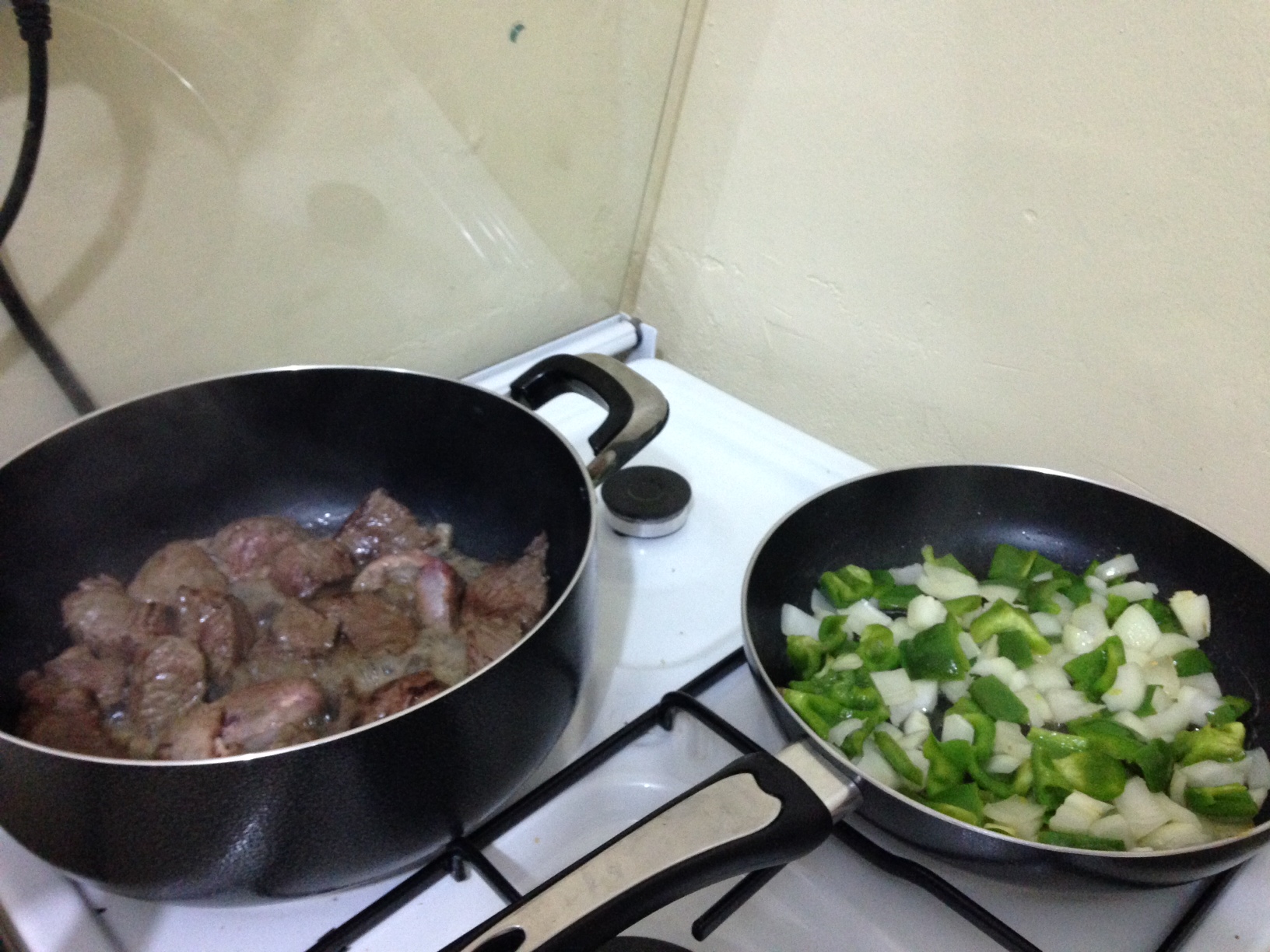
Beef Stew in the Making

Beef Stew in the Making

This was the first meal I cooked for Monty and me and it really turned out well. I sautéed the beef cubes in oil and added fresh garlic, onions, green peppers, carrots, and tomatoes. Once nice and brown, I added boiling water and let it stew for about 2-3 hours. I had found some Knorr beef soup powder at the grocery store so I also added a little of that for flavoring along with salt and pepper. When the stew was done and the meat was very tender, I cooked some macaroni noodles and served them with the beef stew on top. I was kind of surprised at how tasty it was.
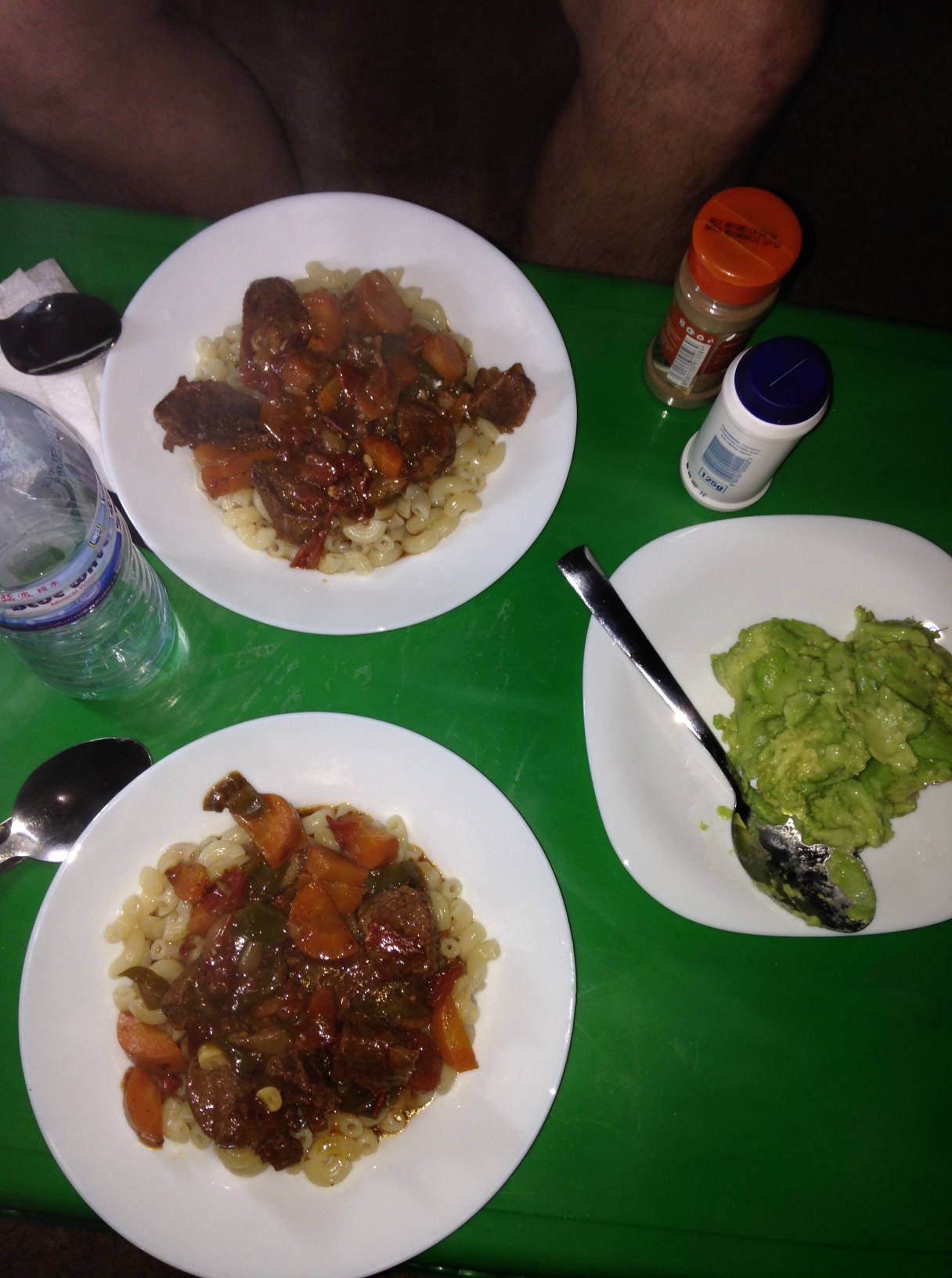
Dinner is Served: Beef Stew over Macaroni with a side of Avocado

Dinner is Served: Beef Stew over Macaroni with a side of Avocado

So, it turned out to be a really great day. Tomorrow Monty is taking me on an adventure to go to a community church and gathering in a rural area out
Posted in Fulbright Specialist Project | Tagged , , , , , | Leave a comment

Ending the Week on a High Note

This in not an official U.S. Department of State (DOS) blog and the views and information presented are my own and do not represent the Fulbright Program or the DOS.

Pharmacy Interns at Mulago Hospital after the Case Presentation on Thursday

Pharmacy Interns at Mulago Hospital after the Case Presentation on Thursday

I just finished my second full workweek in Uganda and I am very pleased with my experiences so far.  I’ve been super busy teaching the new curriculum and working on the logistics of how the Pharmacy Rounds at Mulago Hospital will work.  I’ve been precepting Pharmacy Interns at the hospital to help them learn more about how to best treat the diseases their patient’s have and I’ve been working with the Pharmacists at Mulago to figure out how they can interact with the Interns and Pharmacy Students to help facilitate learning.  Today I spent the morning observing the 4th year Pharmacy Students’ presentations about the patients they saw at the hospital this week. Just in case you aren’t familiar with the concept of medical training and Case Presentations, this is a teaching method where the experiences of a few can provide education to a group because not everyone will have the chance to work with the same patients.  All of the patient’s identity is removed from the slide set and it is not possible to recognize the specific patient by the students’ presentation.

I only had time to listen to 2 groups present this morning but I was really impressed with the effort put forth and the incorporation of the new skills they have learned in just my first 2 weeks of teaching.  It is clear to me that these students really want to learn and they want to help improve patient care.  Of course they missed certain points but overall, for the first presentation of the year, they were excellent.  I was especially happy to hear how one group actively advocated on behalf of their patient.  When they went to the ward to see the patient, she was obviously in pain and an intravenous pain medication had been ordered, but the nurses hadn’t been around to give it yet.  They found the doctor and mentioned it to him but were told they would have to find a nurse and convince her to give the drug.  This brings us to one of the “other” barriers and challenges I mentioned in a previous blog.

Given that Mulago is a hospital in a low to middle income community it is not a surprise that Nursing Care is greatly understaffed.  Unfortunately this is a frustrating barrier to patient care with no easy or apparent solution. Patients often don’t receive IV medications on time and they can also be missed altogether because there aren’t enough Nurses to serve the thousands of patients they have filling the beds. It doesn’t help to get annoyed at the Nurses because they are generally doing the best they can. I suppose the obvious solution is to hire more Nurses but if it was that easy and the finances were there, it would be done.  The compensation for Nurses is also poor, not unlike that for Pharmacists, although I’m sure is it much less than the Pharmacists.  I think it is going to take a clear study of all of the factors that impact patient care for the Ministry of Health and Hospital Administration to realize all that needs to be addressed before improving the health outcomes of their patients and being able to assure sustainable high quality of care for all patients.  It doesn’t matter if the hospital has the best doctors in Uganda, or if the Pharmacists are the most knowledgeable and skilled with the proper use of medications, or if Researchers from all over the world come here to offer advice to Physicians or provide some patients the most up to date treatment, IF the drugs aren’t available and/or if there are not enough Nurses to administer the medications. Patient care won’t be optimal until this is addressed.

Although this may sound dismal, the situation certainly isn’t.  Patients at Mulago Hospital certainly do have access to better and more advanced care than is available in the rural villages, but there could definitely be improvements that could make a huge difference in healthcare outcomes for Ugandans. One of the learning points I’m trying to make with the Pharmacy Students, Interns, and Pharmacists, is that our active input into the appropriate use of drugs can help alleviate the situation a bit by making sure that the IV drugs that are available are saved for those patients who truly need them. Oral medications that are administered by the patient’s caregivers can be used when the patient is not seriously ill and when they have no vomiting and can take and absorb oral medications. In this way, frequent dosing with oral meds isn’t as much of a concern regarding missing doses, when a Nurse’s time isn’t required. For example, if IV medications are ordered for 20 patients on the Ward, but only 10 really need IV meds, if those patients could have their drugs switch to oral drugs, the Nurses may have adequate time to administer all of the doses for the remaining 10 patients.

I started out with the story of the Pharmacy Student’s interaction with a Nurse on behalf of the patient and it has a happy ending. The students were successful in facilitating the administration of the IV painkiller by the Nurse and their patient was feeling much better very soon. So, one patient at a time, the Pharmacy Students are making a difference!

Bright, happy flowers at the top of Ssezibwa Falls, near Jinja, Uganda represent my joyful mood at the end of 2 weeks here. (photo from file Fall 2012)

Bright, happy flowers at the top of Ssezibwa Falls, near Jinja, Uganda represent my joyful mood at the end of 2 weeks here.
(photo from file Fall 2012)

Posted in Diseases/Health, Fulbright Specialist Project | Tagged , , , , , , , , , , , , , , | Leave a comment

A Case Presentation on Septicemia at Mulago Hospital and A Bit About My Life in Kampala

This in not an official U.S. Department of State (DOS) blog and the views and information presented are my own and do not represent the Fulbright Program or the DOS.

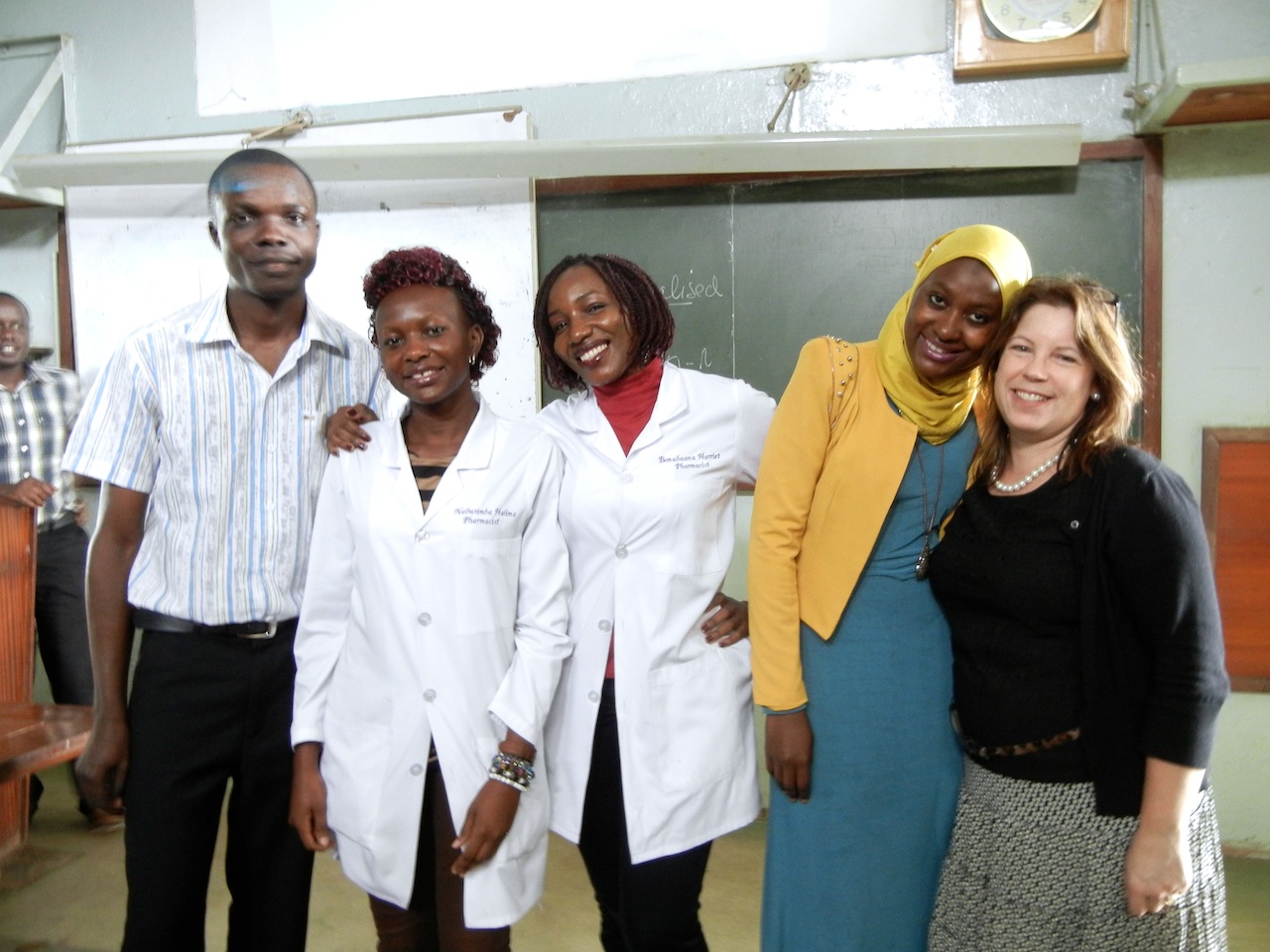
The Intern Trio who presented the Septicemia Case:  Harriet, Nicholas, and Halima

The Intern Trio who presented the Septicemia Case: Harriet, Nicholas, and Halima

Case Presentation

Three of the Pharmacy Interns at Mulago National Referral Hospital presented a patient case of Septicemia secondary to an infected Cesarean Section today at the Noon Conference. They did an excellent job. I had met with them to discuss the patient on Tuesday and already they had a nice start but they attentively listened to my suggestions and comments. I was really pleased that they incorporated them into the talk. In addition, these Interns had been actively engaged in helping the patient improve by providing Pharmaceutical Care. They worked with her physicians to get appropriate lab tests, namely a culture and sensitivity to help guide antimicrobial therapy, as well as helped in the decision process of what antibiotics to use at certain points of her care. Although the patient had quite a long stay in the hospital (30+ days), she did eventually heal and was discharged.

KarenBeth with the Interns

KarenBeth with the Interns

My Life in Kampala

As I mentioned before, I have a housemate during this stay in Uganda. I stay in the Visiting Scholar Villa, called Edge House, and since my last visit in March, it has been renovated to accommodate 2 visiting faculty. We share a kitchen and a bathroom but have separate, and adequately sized bedrooms. Monty is a Professor of Biomedical Engineering from Duke University in North Carolina, USA, and is here as a Fulbright Scholar to teach a couple courses in Makerere’s Biomedical Engineering Program. He arrived about a week before me but will stay the entire school year to mid-April. We’ve been getting along great and I am really enjoying his company. Last March when I was here by myself, it did get a bit lonely at times.

Outdoor Dining at Edge House

Outdoor Dining at Edge House

This time, not only am I a whole lot less lonely, but I’m also not having to make dinner since Monty has been doing the cooking. He walks to and from the Mulago Hospital campus, which is the site of the Biomedical Engineering Program and gets home before me most of the time. He often stops at a small grocery store to pick up the fixin’s for dinner which is usually some sort of beans or peas and rice to which he adds lots of vegetables. Yesterday he also picked up pieces of fried chicken. Last week he actually bought a whole chicken and stewed it on the stove with vegetables. It was really good! My job is the dishes, which I am truly glad to do – really, I have the easy job.  This arrangement is pretty much the arrangement my husband and I have at home. We both can cook but he likes to do it better than me so he cooks and I do the dishes.  If Monty isn’t around or has already eaten, I either make scrambled eggs and veggies or I eat Tuna mixed with a little mayonnaise.  I also keep peanut butter and crackers around so I never go hungry.  Since there was no kitchen table, when he first got here, Monty went out and bought a little plastic table and chairs set.  This is where we eat. If it is not raining, we eat outside. When it’s raining, we bring it into the kitchen.

I'm thrilled to have recently purchase a water pump to go on top of the large Water Cooler-size bottle; Now I don't have to tip it over and try to refill my small, 500ml, water bottles

I’m thrilled to have recently purchase a water pump to go on top of the large Water Cooler-size bottle; Now I don’t have to tip it over and try to refill my small, 500ml, water bottles

Clean water is something I never take for granted while in Uganda and instead I always make sure I have a ready supply.  Edge House and most of Kampala, has running water pumped to the home but it should really just be used for washing and the toilet. You even need to use bottled water for brushing your teeth, to be on the safe side. What I’ve been told is that the water treatment facility produces really clean water, but the water pipes throughout the city contaminate the water.  Most people purchase big water coolers for drinking and washing fruits and vegetables.  I used to just get cases of smaller water bottles but now I just get this huge thing and it lasts me quite awhile and is much less expensive.


Posted in Diseases/Health, Fulbright Specialist Project | Tagged , , , , , , , , , | Leave a comment

Third Year Pharmacy Students Visit Mulago Hospital

This in not an official U.S. Department of State (DOS) blog and the views and information presented are my own and do not represent the Fulbright Program or the DOS.

On our way to the Upper Campus where Pediatrics is located.

On our way to the Upper Campus where Pediatrics is located.

Today another faculty member, George, and I arranged for the 3rd Year Pharmacy Students to have a tour of Mulago National Referral Hospital with the help of the Pediatric Pharmacist, Helen. Although most of the students had been to Mulago in some capacity before, this was the first time they were going to the Wards to learn about what patients are taken care of on each ward and to learn how to navigate this HUGE hospital complex. It can be a scary place because there are so many people, and you never know what kind of situation you will run into as you go through the halls.

There is a pretty long expanse of covered walkways leading to the Upper Mulago Campus- this is really helpful in the heavy rainy season, as well as to protect from sunlight

There is a pretty long expanse of covered walkways leading to the Upper Mulago Campus- this is really helpful in the heavy rainy season, as well as to protect from sunlight

You may see someone walking with blood dripping from his arm or children whimpering in pain or a woman wailing over the recent death of a loved one. I remember a few years ago one of the first sights my students and I saw at Mulago Hospital was a young child with severe burns over more than ½ of his body. When you are a student and just starting to work in the wards, and not quite sure of your role, it is easy to think that you are just going to be “in the way”. But, the pharmacy students do play a very important role.

Some of the 3rd years near the Pediatric Wards

Some of the 3rd years near the Pediatric Wards


They usually have more to spend with the patients and by using their newly learned interview skills, they can find out very helpful information about the details of the medications the patient has been on in the past or how they are tolerating them now.

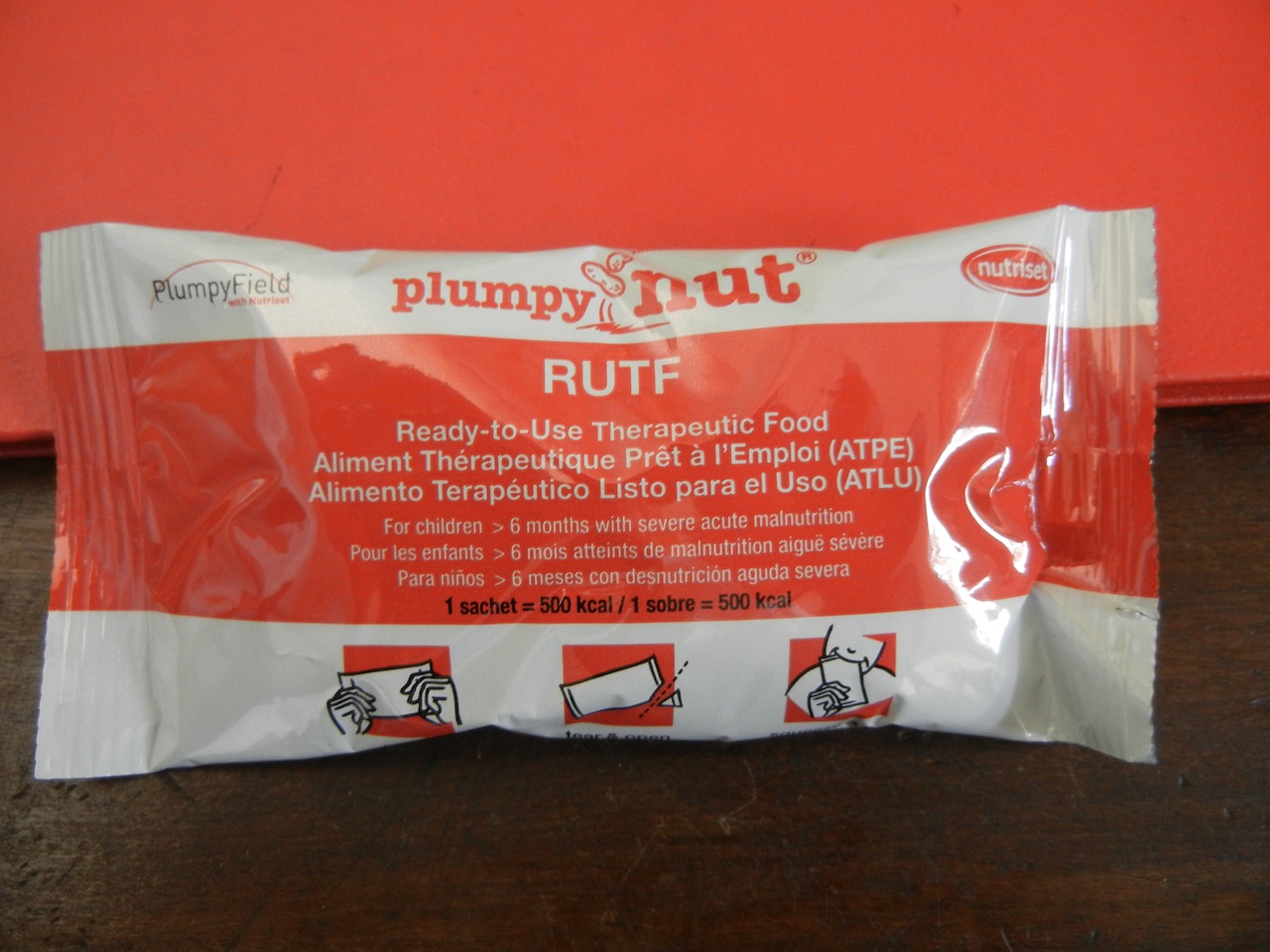
This is a nutritional soft but solid bar that is given to Mothers for feeding to low weight children, although it could also be used to nourish adults. A typical 2&1/2  year old child might need 2.5 bars per day to get their full nutrition

This is a nutritional soft but solid bar that is given to Mothers for feeding to low weight children, although it could also be used to nourish adults. A typical 2&1/2 year old child might need 2.5 bars per day to get their full nutrition


The students can often learn important information that can be provided to the physician and other healthcare providers to help lead to a better health outcome for the patient.

Another group of 3rd year students- we split the class into 3 groups for the tour

Another group of 3rd year students- we split the class into 3 groups for the tour

Next week this new group of pharmacy students will venture to the hospital on their own and start interacting with the patients and caregivers for real.

The final group of 3rd year students headed on the tour.

The final group of 3rd year students headed on the tour.

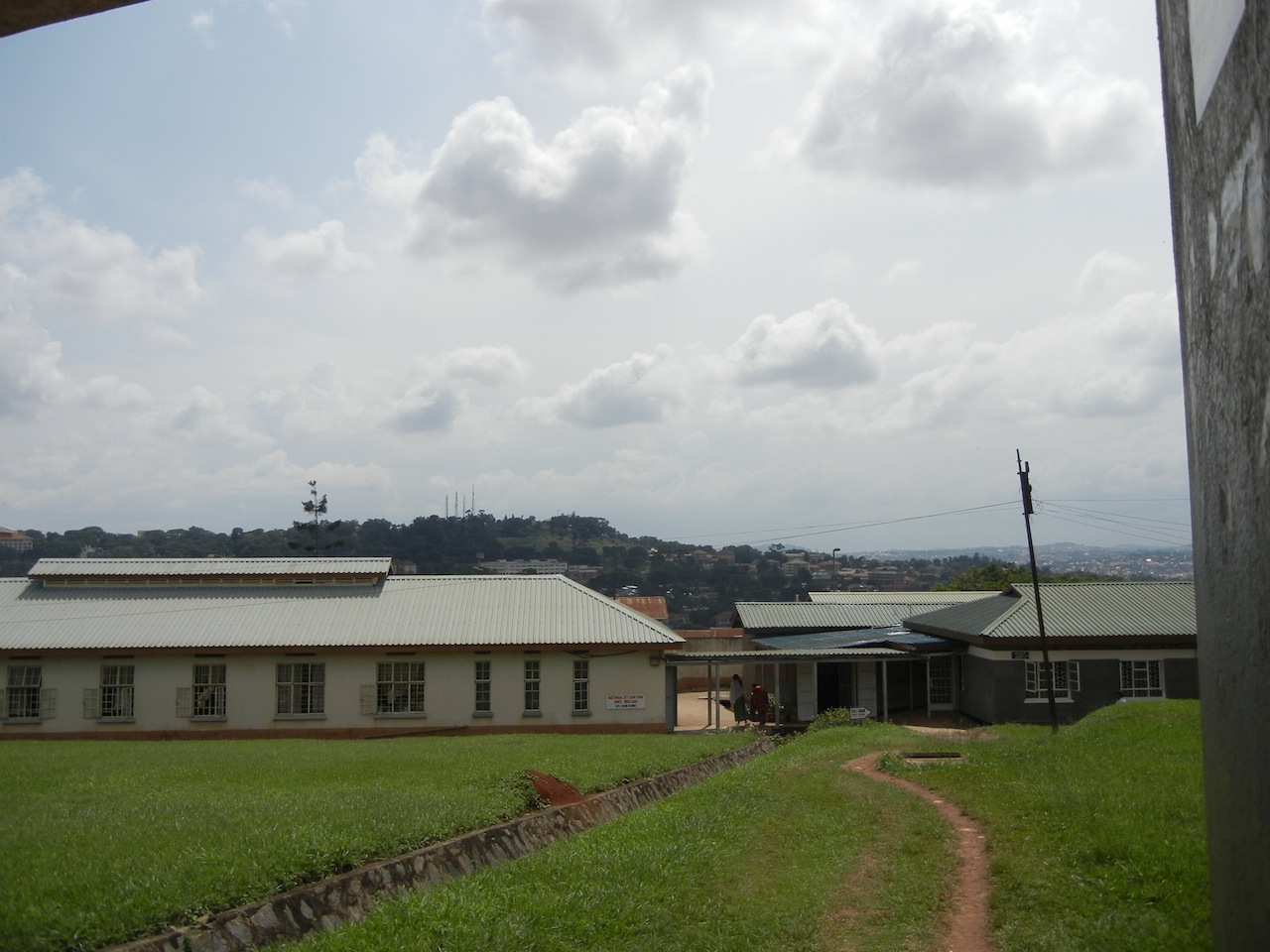
I told them I know it will be challenging at first but with experience, it will get to be a familiar and enjoyable process. There is a beautiful view overlooking Kampala from the Upper Campus

There is a beautiful view overlooking Kampala from the Upper Campus


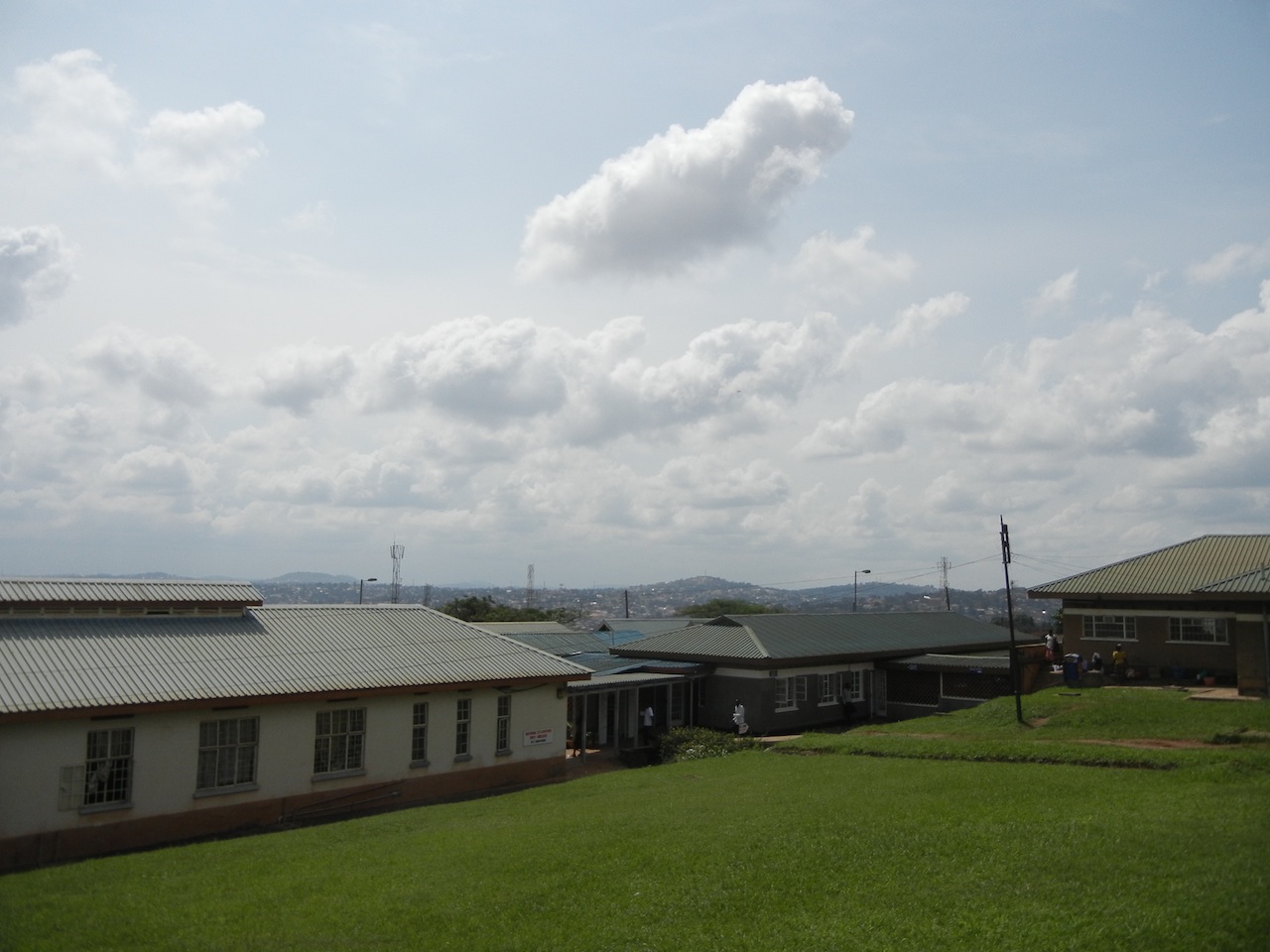
Another view from Upper Campus

Another view from Upper Campus

Posted in Fulbright Specialist Project | Tagged , , , , , , , , , | 1 Comment

Pharmaceutical Care Lab is Progressing Nicely

This in not an official U.S. Department of State (DOS) blog and the views and information presented are my own and do not represent the Fulbright Program or the DOS.

It's official, I am an instructor for the School of Pharmacy and can now post materials for the students for the new Pharmaceutical Care Lab on the Makerere eLearning site!

It’s official, I am an instructor for the School of Pharmacy and can now post materials for the students for the new Pharmaceutical Care Lab on the Makerere eLearning site!

On Monday I taught the second Pharmaceutical Care Skills Lab to both the 3rd and 4th year pharmacy students. Once again it went quite well. I’m so pleased with the student’s engagement in learning and practicing the Patient Interview skills and their attention during the lecture part. Their participation in answering questions, though, is just American students- you have to “pull teeth” as the saying goes, sometimes, to get them to answer questions. I will often hear mumbling in the group in answer to questions but then when I ask for one person to talk, no one volunteers. As with my Wilkes students back home, it is hard to tell if this is because they really don’t think they know the answers or have an opinion or whether they are just shy to speak up. But in general, I am happy with the progress of the course so far in terms of the students’ learning. I am also thrilled that I am now able to access and post to the Makerere eLearning site (their online component to courses) so that I can provide electronic copies of the documents for the students to read prior to class. This will also be helpful in reducing the need for printing.

I have realized since my early visits to Uganda one of the barriers to advancing education and patient care is the difficulty with some basic infrastructure issues like printing and paper (or stationery- as they call it here) costs and availability. Not only will the Pharmacy Department at the hospital run out of paper but often when the printer ink cartridges are gone, there is no money or supply to replace them. In the USA, we take these things for granted. If supplies run low, there is usually a storeroom where we can get the materials needed the same day, if not the same hour and “someone”- our highly capable administrative assistants- always make sure the supplies are readily available. Budgets for departments and businesses are usually plenty big enough to cover printing costs as this is accepted as a necessity of the workplace and accomplishing our tasks. Back home, the handouts for each of the PSCL sessions are often 10-15 pages long. They contain material for the students to learn from but also the detailed patient case scenarios that will be role-played to learn how to use the Pharmaceutical Care Skills. There is often room for the students to write their communication notes with their management strategies. There are many “tools” we use in the process of trying to figure out what the potential drug therapy problems are so we can investigate and offer solutions and these are usually printed for the students to follow and use to document the correct data on the paper. There are documents which are printed and used for students to peer-assess each other so they learn how to improve their patient communication skills. I think my first handout for last week’s lab was 11 pages front and back, which the University printed, but that was certainly a lot of paper because there were in excess of 70 students between the 2 classes. Although I was aware of these printing issues at home when I developed the lab and I had asked about the ability of documents to be printed ahead of time and received an affirmative answer, I guess I didn’t fully realize the length of the handout until I got here.  I ended up printing the 2nd week’s lab myself, but this was mostly because I didn’t give the department enough time to do it and I had to get it done over the weekend. But, from this point on I am keeping this in the front of my mind and I am going to be creative in trying to find ways to keep the printing and use of paper to a minimum by posting online documents for the students to review on their laptops and by projecting the documents at the front of the class for review instead of giving each student their own copies. I think my cases have been a bit complicated anyway, and I will try to simplify them. We probably should be more cognizant of our use of paper and printing in the USA as well. Even if we have the resources and finances, there is the impact on the environment and the use of energy and waste that results from using supplies when maybe they aren’t always necessary.

There are a number of other barriers that I will discuss in future posts- Internet availability and reliability, availability and reliability of electricity/power, and safety, effectiveness, and availability of the drug supply, to name a few.

Today I’m off to Mulago Hospital to work with some 4th year students as we run a trial of the Experiential Component to the PCSL, Pharmacy Rounds. We will work together to see if the process I think will work, will really work and then fix the issues so that the Pharmacy Rounds can start in earnest next week.

Posted in Uncategorized | Leave a comment

A Great Weekend in Kampala

This in not an official U.S. Department of State (DOS) blog and the views and information presented are my own and do not represent the Fulbright Program or the DOS.

My first full weekend in Kampala was great. I spent much of the time working on further development of my Pharmaceutical Care Skills Lab curriculum and the plans to bring the pharmacy students to Mulago Hospital for Pharmacy Rounds, but there was still time for socializing. On Saturday I went shopping and had a nice lunch with my friend, Vicky, who is a pharmacist at a smaller government hospital, China-Uganda Friendship Hospital- Naguru. She is one of the pharmacists who came to the USA to study Pharmaceutical Care in action last fall.

Vicky and KarenBeth at her Mom's home in Kampala, Sat. 31Aug14

Vicky and KarenBeth at her Mom’s home in Kampala, Sat. 31Aug14

We went to a local, bustling, western-style shopping center to get some groceries but also to try and find a charging cord for one of my mobile phones. It is an old, non-smart Motorola phone, which works fine, but the charging cord no longer does. I carry 2 phones while in Uganda with SIM cards from 2 different phone carriers. The mobile phone networks frequently have short-term outages (or sometimes longer term) and it is helpful to have more than one phone as a back up to your primary line. Actually many people carry even more than 2 phones so they have more carriers to choose from. Another reason they have more than one phone is that the way you make calls is to buy “airtime” and add it to your phone- like scratch-off lottery cards. And, if you run out of airtime on one phone, and you either have no money or aren’t near an airtime seller, you can just switch phones. Well, so far no luck in finding a new cord but we are still trying. I did successfully buy groceries and then we went to a bar/restaurant at one of the Rugby practice fields. We both had delicious pan-fried pork with a barbecue-type sauce and “chips”- French fries. I try not to order the French fries too much around here because they are really good, too good, and I can eat a bunch. I’m not doing much fancy cooking here but my housemate, Monty, made a delicious whole chicken on Saturday night. Since our oven doesn’t work, he made it like a stew and cooked it whole in a pot on the stove for hours with a variety of vegetables and some G-nuts. The “G” stands for “ground” nuts but these are not ground up but rather grow on the ground like peanuts. In fact they are basically a type of peanut but I have to say I like them a lot more than peanuts- they are small and I like them roasted and salted. They are nice and crunchy. Anyway, the chicken turned out great and was oh so tender! This is not commonly so with meat from small restaurants that cater to the local crowd. I’m not sure why because what they usually cook is stewed as well.


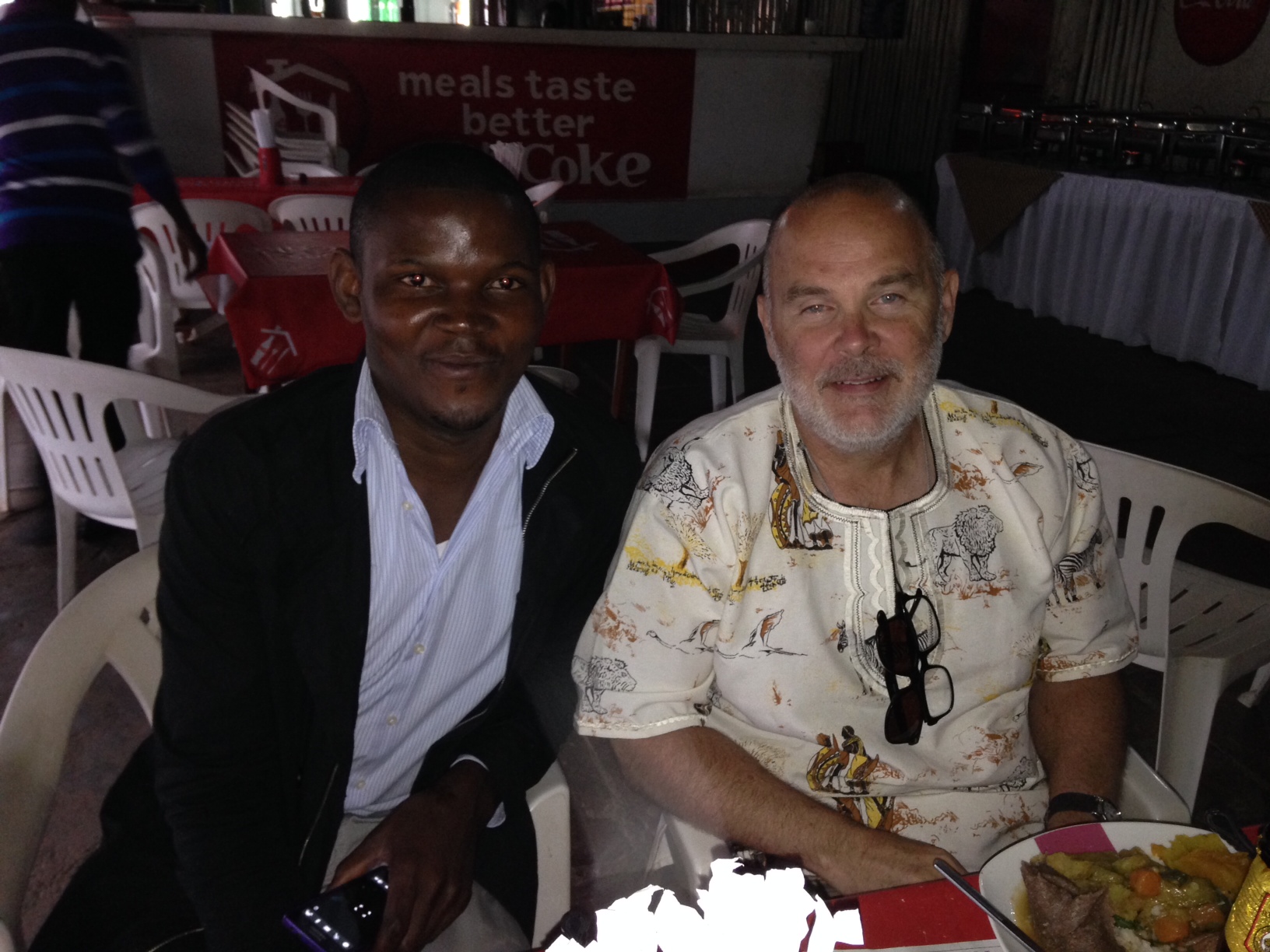
Lunch at a Campus Canteen after Church with Ivan and Monty (my housemate and fellow Fulbrighter), Sunday 31Aug14

Lunch at a Campus Canteen after Church with Ivan and Monty (my housemate and fellow Fulbrighter), Sunday 31Aug14

On Sunday, Monty and I walked down to the Roman Catholic Church to attend the 11am service, which lasted a good 1.5 hours. The large church was pretty full with young people and young families, since it is on the Makerere Campus. The choir was great and I especially enjoyed watching the man playing the Maracas, these are the handheld percussion instrument that looks like they are made out of gourds. He not only shook them to the beat of the music, but he joyfully danced the whole time. The words to the music were projected onto the wall at the front of the sanctuary and some of the songs were in Lugandan and some were in English. I knew most of the English songs. The Priest gave a great sermon that spoke to my heart. I found out later he has just recently returned from serving a parish in California for 7 or 8 years! (He is native Ugandan.) As the church service was about the end, the sky grew dark and the wind began to blow. The light inside the sanctuary seemed to go out but it was really just the dampening of the prior sunlight. Monty and I were planning to go to a little local canteen on campus for lunch and we had to walk quickly to avoid the large pending storm. We ended up walking though the beginning light rain but were safely inside when the heavens opened up. We met a recently graduated Ugandan University student for lunch- a young man whom Monty met last week. We had to almost scream at each other to carry on a conversation through the din of the rain pelting down on the corrugated metal roof. The café was having a buffet and my meal is pictured below.

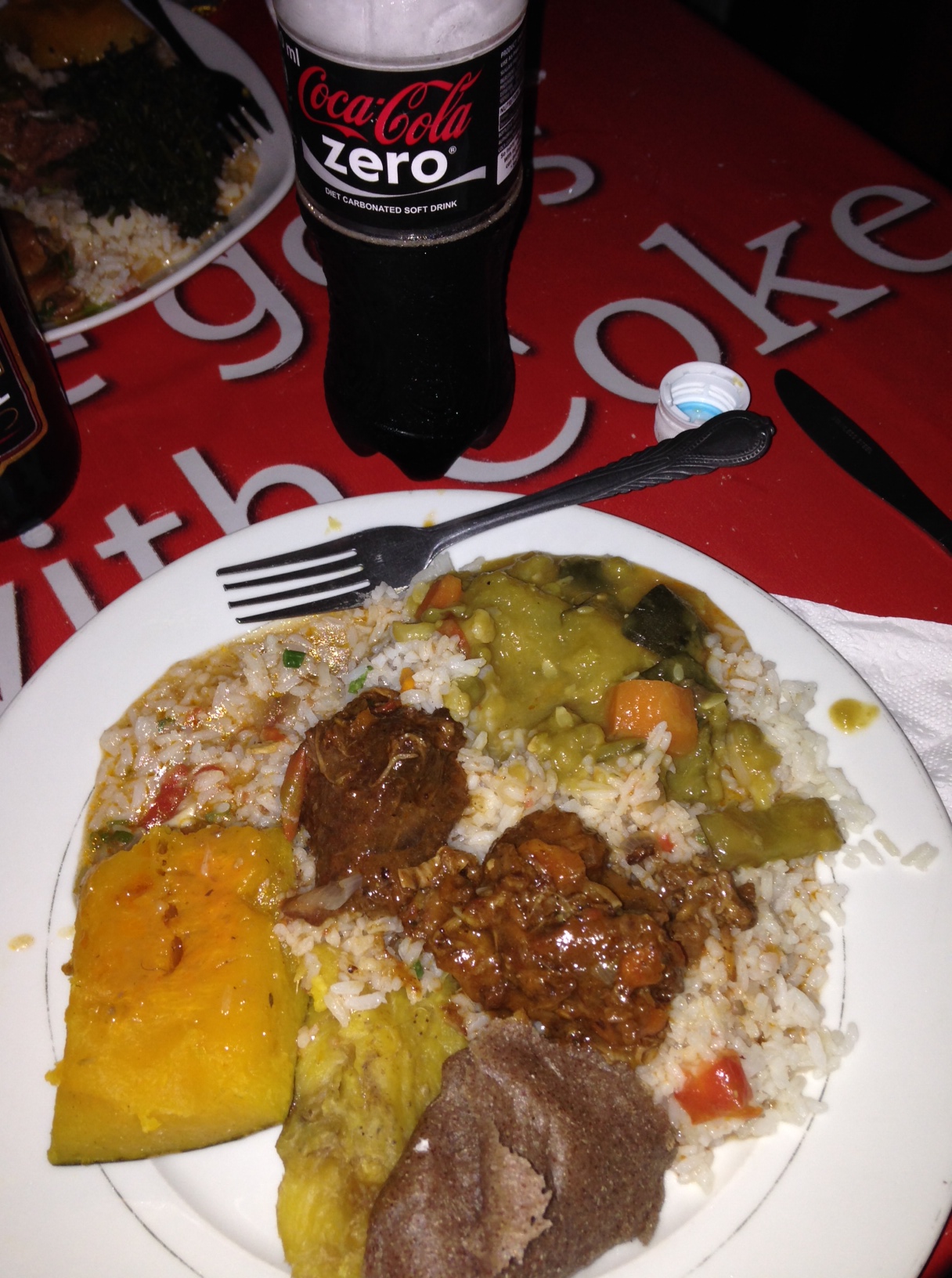
This is a typical Ugandan meal after church on Sunday 31Aug14 at one of the Campus Canteens.

This is a typical Ugandan meal after church on Sunday 31Aug14 at one of the Campus Canteens.

From the bottom center going up clockwise the food is as follows: Millet (a wheat-like grain that is stirred into boiling water just like making oatmeal- it has the consistency of oatmeal that has cooked too long and has lost its moisture and is now thick and sticky); Matoke (this is the typical Kampala starch- boiled banana that is then mashed and steamed in banana leaves-it has the consistency of mashed potatoes that have cooked too long and are too thick and dry); pumpkin (which is really just a winter-type of squash- I love this!); all the white stuff is white rice; the sauce that is green is basically like pea soup with carrots- it was super delicious; finally the brown lumps in the middle are big pieces of beef. The sauce the beef was cooked is was really yummy and I had that all over my rice and I was looking forward to eating the meat pieces- they looked soft when they put them on my plate- but they turned out to be too hard to cut with a butter knife, which is the only kind of knife they had- so I had to leave them behind. Although the Millet and Matoke aren’t my favorite, I do eat a little bit of each and if I only had that to eat, I would certainly survive. Oh, I shouldn’t forget my Coke Zero. This is the first time since arriving that a restaurant had it in stock. It is actually the only diet soda that they have in Uganda (at least that I’ve seen or heard about) and it only arrived maybe a year ago. I’m not a huge soda drinker so not having a Coke hasn’t been a problem at all, but it was a nice treat today.

Posted in Fulbright Specialist Project | Tagged , , , , , , , | 2 Comments

Rain and More Rain

This in not an official U.S. Department of State (DOS) blog and the views and information presented are my own and do not represent the Fulbright Program or the DOS.

Watch carefully and see the torrents of rain spew over the railing onto the walkway at the end of the hall at Mulago Hospital.

This is my 5th trip to Uganda. The first was in June/July 2011, which is dry season, although we did occasionally have a light rain. During dry season, red dust ends up coating everything, homes, plants, and your clothing. When we had a light rain, all were thankful for the dampening down of this dust. It is also generally hotter in dry season, although still usually just up to the high 80’s. The rest of my trips have been in the “rainy” season, Sept 2012 & 2013, March 2014, and now Aug/Sept 2014. But, during my past trips I realized that “rainy” is in the eyes of the beholder. I always thought in Africa, the rainy season was a time when it would rain all day, everyday, and you could never get fully dry. During visits 2, 3, and 4 I learned otherwise. In fact, I, like the locals, have really enjoyed rainy season. It gets cooler at night, into the 60’s, although warm in the 80’s during the day and and the rain helps keep the red dust under control. It is only muddy during the downpours which never seemed to last beyond an hour. I likened them before to “Florida Rains” where you can have it be hot and sunny when you go into a building and then when you come out, you realized it rained but then everything dries up quickly. But, this year, although only a week into my trip, it seems different. According to the locals, it is also a bit unusual. December is normally the rainiest part of the year for them but currently it has been raining every day. It might start off sunny but then there is a good, really soaking rain storm in the middle of the day lasting an hour or two and creating lots of mud and treacherous walking conditions. And the rain has been hard and blustery – you really wouldn’t want to be out in it. Sometimes it rains at night and you feel like the luckiest person alive to be under a solid roof and dry. Yesterday, though, in addition to the thunderstorm and sheets of rain, it continued to rain more lightly the rest of the day and evening. The good news, though, is the nice cool weather at night which makes sleeping very comfortable. When it doesn’t cool down, I sleep all night with a fan, which fortunately is provided for me by my wonderful accommodations.  I hope, though, that this type of rain goes away soon and it gets back to the “normal” rainy season for Kampala, Uganda so the walking situation becomes less difficult and my laundry can dry.  You actually only need a short time of Uganda sunshine to dry your clothes on a line, but recently that has been lacking. So for now, it will continue to hang all over the bathroom.


Drenching Rain Over Mulago Hospital- August 2014

Drenching Rain Over Mulago Hospital- August 2014

Addendum:  Late morning and early afternoon on Saturday did bring some nice, warming sunshine and my clothes were able to mostly dry until they had to be pulled down for yet another storm. Fortunately, I’m sure they will dry by morning as they are just damp now and are hanging all over my room on a new rope that my housemate put up for me.

Posted in Fulbright Specialist Project, Ugandan Nature | Tagged , , , , | 1 Comment

Working with Pharmacy Interns at Mulago Hospital

This in not an official U.S. Department of State (DOS) blog and the views and information presented are my own and do not represent the Fulbright Program or the DOS.

Caregivers of the patients spread laundry all over lawn at the hospital to dry

A kaleidoscope of laundry spread all over lawn at the hospital to dry by caregivers of the patients

On Thursday I arrived at the Mulago National Referral Hospital around 9:15am.  I was going to have the opportunity to work with 3 Pharmacy Interns to help them learn more about how to use their pharmaceutical care knowledge and skills to help patients. While waiting to meet up with them, I took in the sights and sounds of the hospital.  One of the things that is very different about hospitals in Uganda and Tanzania, and I think in most of Africa, is that each patient must bring a caregiver to the hospital.  This person may be a daughter, mother, friend, etc, but is responsible for providing much of the hands-on care of the patient. The Nurses are few and so they provide higher level care to the patient like obtaining blood for lab tests, dressing changes, and giving Injectable medications.  Bathing the patient, washing and changing bedding, and giving all oral medications is the job of the caregiver.  Many times the caregivers need to bring young children with them so even if the number of patients in the hospital are 2000, there is always at least double that, and usually many more, people hanging around on the wards, hallways, and courtyards.

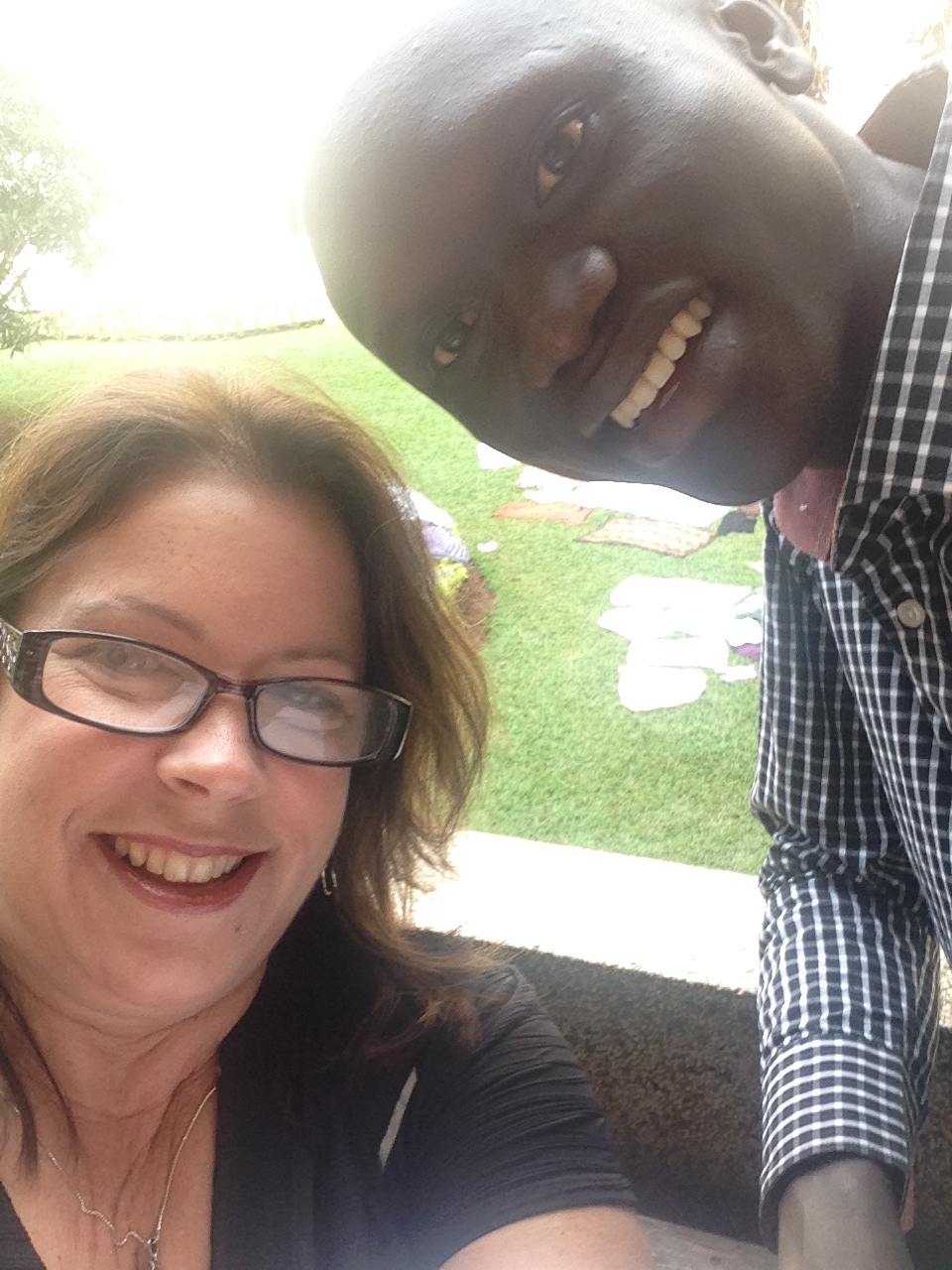
A Selfie with Alan, soon to be Pharmacist, overlooking Mulago Hospital courtyard.

I also ran into a recently graduated Intern, Alan, whom I’ve know for 2 years now.  It is students like him that really motivate me to continue this work, although, he says that I have motivated him. Alan always strives to use his knowledge to help patients and advance medical care.  In fact, although he has just graduated from his final training program before becoming a licensed pharmacist in Uganda, he has already re-enrolled in another training program – the Masters of Science in Clinical Pharmacology.  He had expressed an interest in taking a MSc in Clinical Pharmacy, but this program isn’t available from Makerere University — yet. It is going to be the next step in my quest, along with the help of my partners, to help Uganda advance pharmacy practice to improve patient care for all Ugandans but will probably not start until Fall 2016, or perhaps Fall 2015, at the earliest.  But, since a MSc in Clinical Pharmacology is available now, Alan will pursue that.  It is different as it is focused on the way drugs work in the body and research to find new treatment regimens whereas the MSc in Clinical Pharmacy will train Pharmacists to provide more direct patient care to work alongside other Healthcare Providers.

KarenBeth with Peter- standing at left, Patrick-standing at right, David- seated

Working on the Case Presentation: KarenBeth with Peter- standing at left, Patrick-standing at right, David- seated

When I met up with Peter, Patrick, and David, the Pharmacy Interns, they were preparing to present a Patient Case to the rest of the Pharmacy Interns and supervisors at the weekly Continuing Medical Education (CME) conference. This is where the Interns demonstrate their abilities to contribute to the care of the patient and talk about what they learned from the experience.  Since this was the first group of Interns to present in their Intern class, it was a learning experience for all.  I think by the end, though, they all had a much better understanding of how the skills of a pharmacist are different and complement the abilities of the other members of the healthcare team, Physicians, Nurses, Therapists, etc., so that together, working as a team, we can determine the best treatment for the patient and positively benefit their health and quality of life.

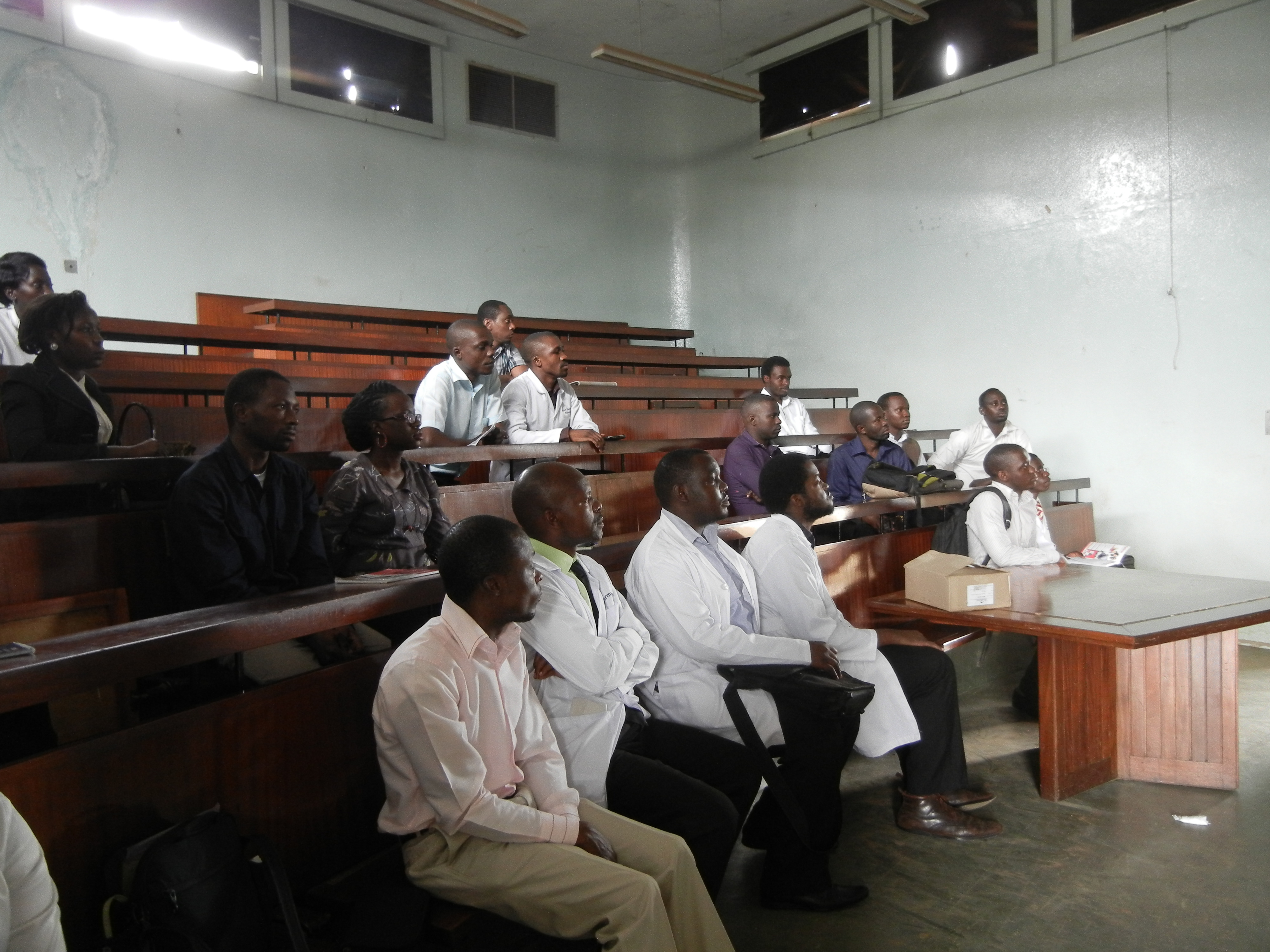
Participants at the Noon CME give their attention to the speakers in the lecture room at Mulago Hospital


Posted in Fulbright Specialist Project | Tagged , , , , , , , | 1 Comment

First Full Run of the Pharmaceutical Care Skills Lab

This is the Mission of Hospice Africa Uganda

This is the Mission of Hospice Africa Uganda

Today my voice just about gave out after running the first Pharmaceutical Care Skills Lab (PCSL) twice in a row.  The lab session is 3 hours long and most of the time, students are actively working in groups to role-play patient care scenarios and then solve them using drug information resources.  The lecture time is kept to a minimum, if at all. But, since this is the first week of classes, the students needed to have some baseline knowledge and skills before trying to interview patients so I had to give a 1-hr lecture on Basic Patient Interviewing Skills as well as a 1-hr lecture on the disease content that would be the background of the scenario for the role-play.  I chose to use the topic of Palliative Care and Pain Management as the content for this session first of all because I wanted to teach something that the students don’t already learn in their current curriculum but also because I learned about the wonderful work of Dr. Anne Merriman who started Hospice Africa Uganda 20 years ago and the work of Dr. Mhoira Leng who is head of Palliative Care at Mulago National Hospital and how they are improving the quality of life for patients with chronic illnesses and pain.  (See the past posts of March 6 and March 9, 2014 for more information.)  Anyway, the lab sessions seemed to go well. I was really pleased with the efforts and interactions of the students with me and each other. They also had such excellent questions.  Since I got really busy with teaching today, I totally forgot to take any pictures soinstead I’m using some from my last trip to spice up this page. Morphine Preparation at Hospice Africa Uganda

On Thursday I will be working with the Pharmacy Interns at Mulago Hospital.  Three of them are going to be presenting a Case about a patient with HIV and teaching the other Interns about how to care for a patient with HIV. I have been asked to help precept them through this experience so tonight I am prepping by reading up on HIV treatment.  Although I teach Infectious Diseases in the curriculum, I am not responsible for the HIV content and my current practice site in the USA is working in a community hospital with a family medicine team so we are not responsible for managing the Antiretroviral Therapy for HIV patients.  Thus, I’ll end this blog so I can study up a bit. 

Posted in Fulbright Specialist Project | Tagged , , , , , , , , | 2 Comments

A Day Full of Meetings

This in not an official U.S. Department of State (DOS) blog and the views and information presented are my own and do not represent the Fulbright Program or the DOS.

This is only my second full day in Uganda at the University and I’m already as busy as if I’d been here for weeks. I guess that is my way, though. I like to jump right in and get to work. Today began with a meeting at Mulago Hospital to discuss the new plans to have the pharmacy students experience precepted learning activities as they work on the wards alongside the Interns as I mentioned in my last post. As expected, although everyone’s goal is basically unified, the path to get there still needs more negotiation and creative planning. After this meeting, I went back to the pharmacy school to review the meeting with those who couldn’t attend. Putting our heads together, I think we may have come up with a suitable alternative. I will have to work on this a bit and sketch the plans out on paper. So stay tuned for more news later this week. After this 2nd meeting, I sat in on another meeting where the faculty of the pharmacy school were planning their approach to put in a proposal to assess the Village Health Team (VHT) program. This was implemented in 2001 by the Ministry of Health to improve access to healthcare and education at the village level.

In Uganda, there are basically 6 levels of healthcare. The VHT consists of villagers who go through a specific training program so they can be the first point access to healthcare when there is illness as well as to promote preventative care, like vaccinations, peri-partum care (care of mothers-to-be before, during, and after birth), and well-baby check ups. As far as I know the VHT go to the villages and to homes primarily rather than having the community members come to them. The second level of care is the Health Center 2 (HC2). This is a facility that is staffed by a Nurse and some Nursing Aids or Assistants. They provide exams for well and sick patients and provide medications but there are no laboratory facilities. The HC3 is staffed by a Nurse at an advanced training level or a Clinical Officer, which is similar to a Physicians Assistant in the USA and these facilities have a laboratory for basic tests. The HC4 is officially a hospital and has at least one full physician on staff. They perform surgery and have a full lab along with x-ray and some other diagnostic testing equipment. When patients need more advanced care they can be referred to a HC5, which is basically just called a Referral Hospital. The final level of care is a much bigger Referral Hospital like the Mulago National Referral Hospital in Kampala, the primary experiential training site for the health programs at Makerere University. This hospital has 2000 beds but the average patient census is well over that- I’ve read up to 3000!

Back to the meeting about the research proposal: An NGO working for the Ministry of Health, Pathfinder, put out a request for proposals (RFP) to assess the status of the VHT program, especially the status of the level of training of the current VHT staff and the school of pharmacy faculty are planning to apply. The final meeting of the day was at Pathfinder’s facility. They were having a Q&A session for those who wanted to apply to discuss any ambiguities in the RFP and to make sure all organizations had the same information about the RFP. Since I have never been involved with this type of proposal to an NGO I wanted to attend to observe the process. It was an ordinary meeting but I did find it interesting. The thing that impressed me the most was that whichever group gets the bid, the final report should be completed within 90 days. This seems pretty fast since the group will have to interview and conduct research all over Uganda, even to the far reaches, analyze the results and write the report all in 3 months time. It helped me to understand that those organizations doing this type of work must have gotten very proficient over time and with experience.

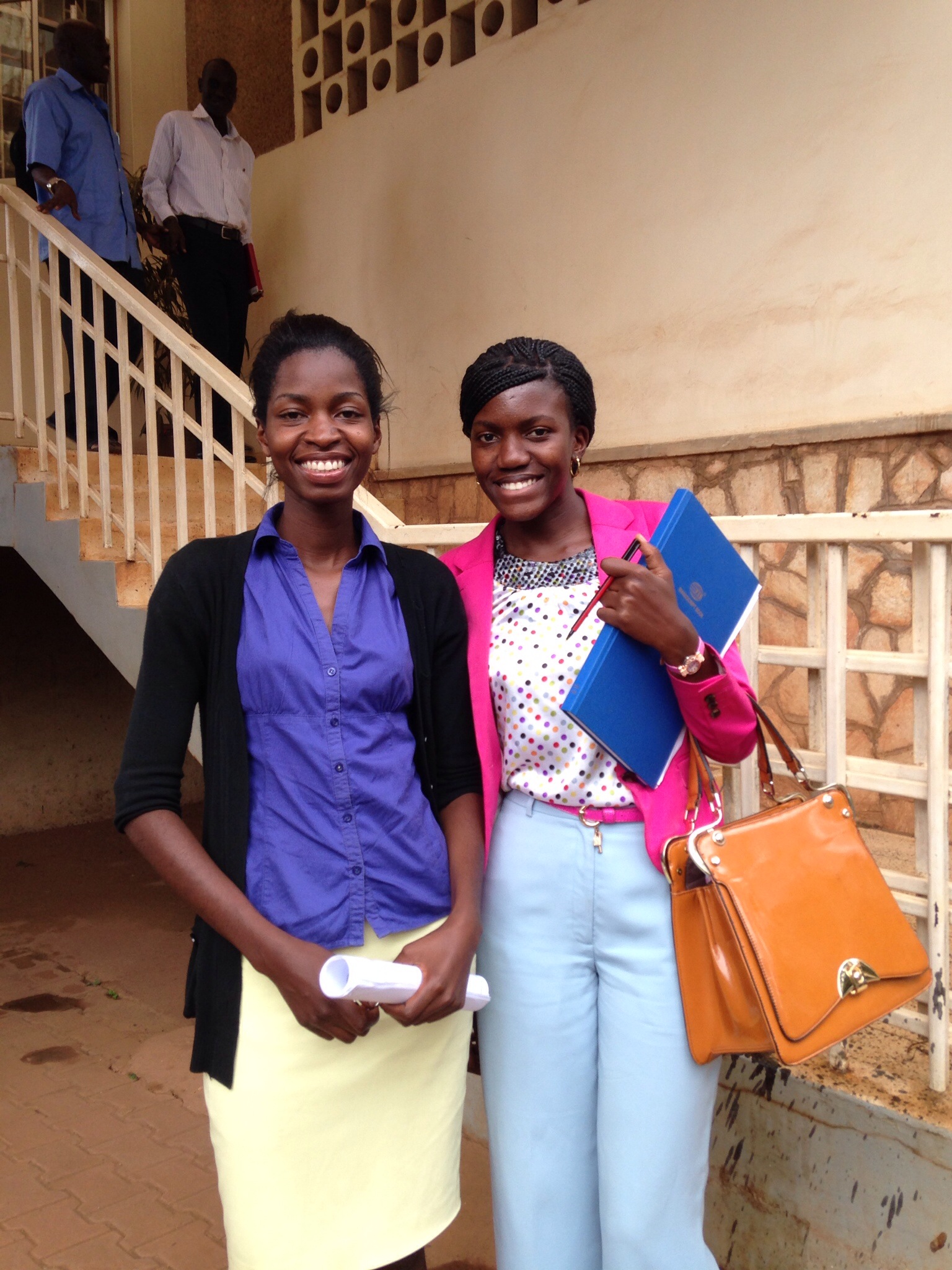
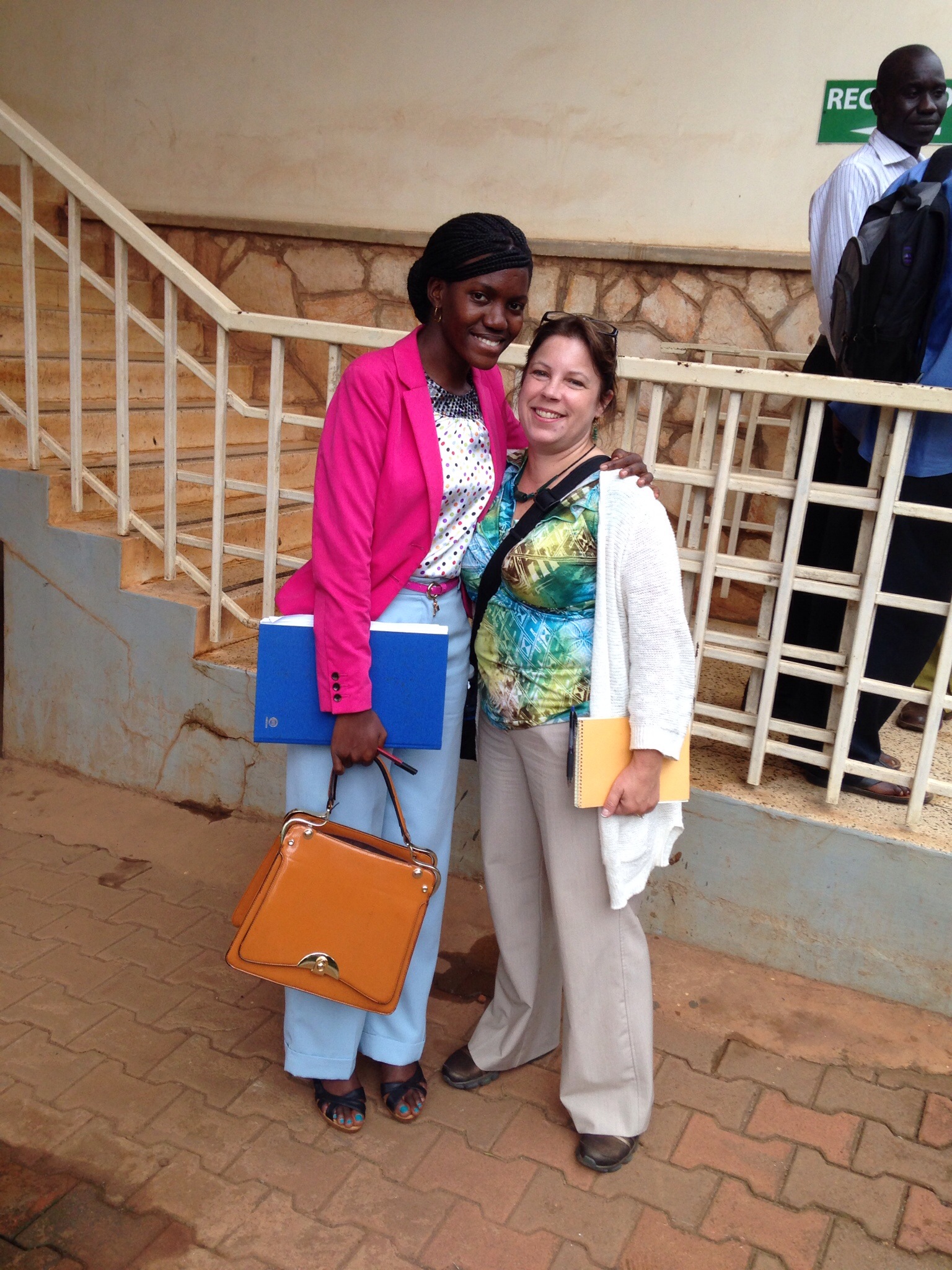
My final hour was spent working in the nice office they has given me to use during my time here. I have a wonderful officemate, Lucy, who works with the groups that do research in the school of health sciences and she was one of the meeting attendees. She is in the pictures attached with the pink jacket. Gloria, another researcher, is in the photo with Lucy in the blue shirt.

As titled, I believe you can agree this was a “day full of meetings” but unlike some people, I was actually revved up at the end of the day. I guess this is my extrovert traits shining through, but really, I was excited because there is progress being made towards advancing pharmacy practice in Uganda through the new pharmaceutical care curriculum and I’m a part of it. I also love to see how engaged the faculty are in this process and their commitment to improving health though community empowerment, like the VHT program.

IMG_3236.JPG

IMG_3237.JPG

Posted in Uncategorized | Tagged , , , , , , | Leave a comment