
Sunday, July 8, 2018

I just love my new dress from Kampala Fair, Kampala, Uganda!
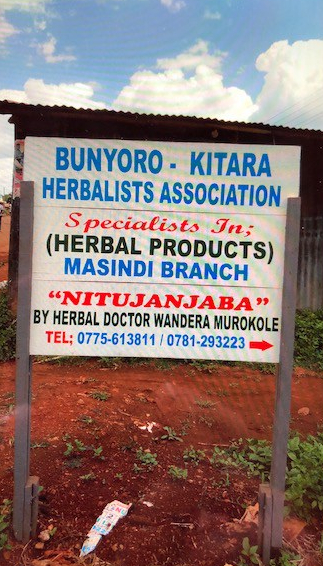
I’ve been home in Upstate New York for a week now and am still excited about how wonderful my recent trip to Uganda was! One of the things I’ve been pondering a lot since returning is herbal medicines. As I mentioned before, I’m teaching a new elective on Complementary and Alternative Medicine (CAM) this fall to our 2nd year pharmacy students at Binghamton University and I’ve been doing research and preparing for the course. Because of this new area of interest for me, while in Uganda, I asked many of my friends, students, and collaborators about the role herbals play in their quest for health maintenance and healing. I knew I would find people who sought relief from common ailments with the use of herbs before trying western medicines, but I was surprised to find that every signal person I asked had regular use of herbs for health maintenance including all of the Pharmacists and healthcare practitioners I spoke to. We would speak of their gardens at home, the plants they grew, and how they used them. Everyone had medicinal gardens and I got to see two of them in person- Winnie’s parents and Gonsha’s. There were plants that I’ve never seen or heard of but there was also rosemary, thyme, and Italian parsley. Well, guess what, I have those growing in my own garden right now! 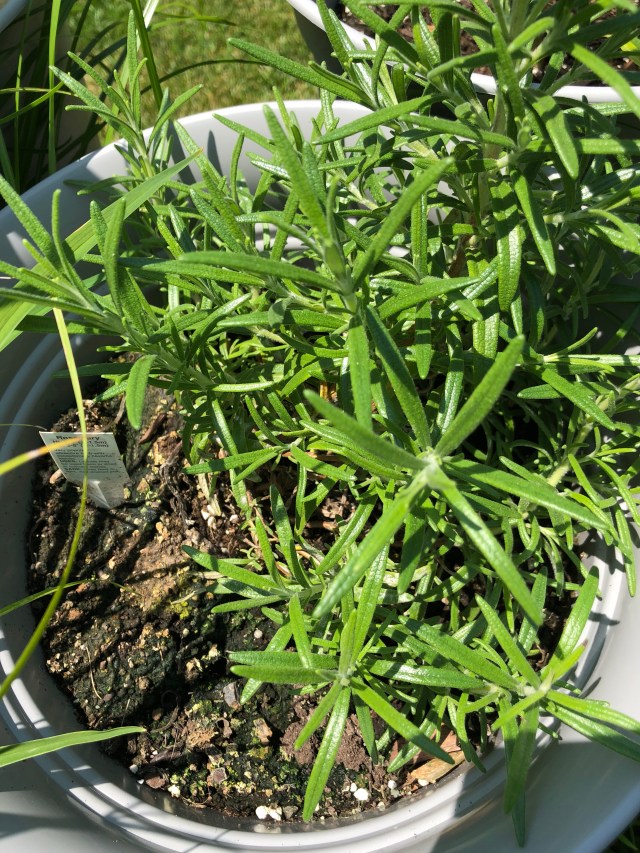
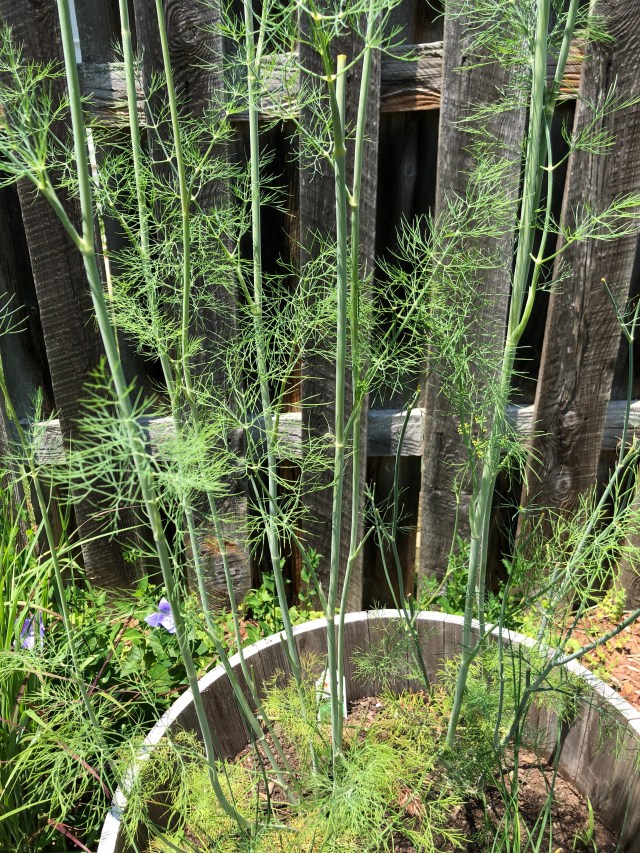
ROSEMARY
We Americans call them spices and use them all the time in cooking, but when my Ugandan friends talked about them they could also tell me about the ailments that these herbs help to treat or prevent. Yes, they also cook with them like I do, but they were so much more knowledgeable about potential medicinal uses. Besides use in cooking, it is common to pick a bunch of an herb, such as Rosemary, and steep in boiling water like a tea and to drink this daily. And, they don’t even sweeten it! I tried it out, just using a small sprig, and it was different but not unpleasant. But the longer it steeped, the more bitter it became, so I’ll be sure to drink the tea fairly quickly. I have now looked up the herbs in my garden and have found out they all have some medicinal uses! There is a fantastic natural products electronic reference called Natural Medicines by Therapeutic Research Center that I have access to through the Binghamton Libraries. It is rather expensive to subscribe to personally, but if you work at a University or Hospital in the USA, check and see if you have access to it. There is a new free database from the USA National Center for Complementary and Integrative Health called HerbList. It is also very helpful. It is written in simple language the public can understand but also provides the medical references to support the statements in the monograph. I definitely recommend downloading it to your smart phone or tablet. 
It turns out the thyme, one of my medicinal plants, has some effectiveness for cough and since coming home, I’ve developed a several viral cough. I decided to investigate how to use thyme for cough and found a simple recipe that just calls for steeping a big bunch of thyme in 2 cups of boiled water for about 10-15min and then adding 1cup of honey after removing the thyme. This makes a couple of cups that can be stored in the refrigerator for a month or so. The dose is 1-2 teaspoonfuls as needed for cough. I’ve only tried it once and it tastes pretty good! I think it helped a little. For a viral infection like acute bronchitis, there is not much that can be done to hasten the healing. Antibiotics are not effective for viruses and using them unnecessarily can cause harm due to adverse effects and contributing to increased Antimicrobial resistance rates. So supportive care is all we have to recommend to patients. This includes recommending consuming plenty of water, getting enough rest, using cough syrups, and analgesics or decongestants if needed. So why not try some thyme from your backyard?
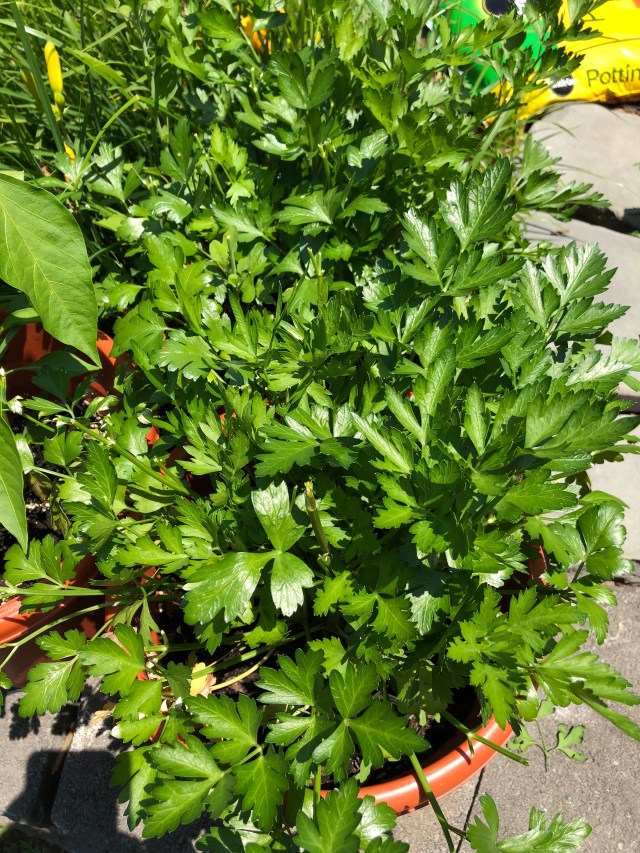
ITALIAN PARSLEY
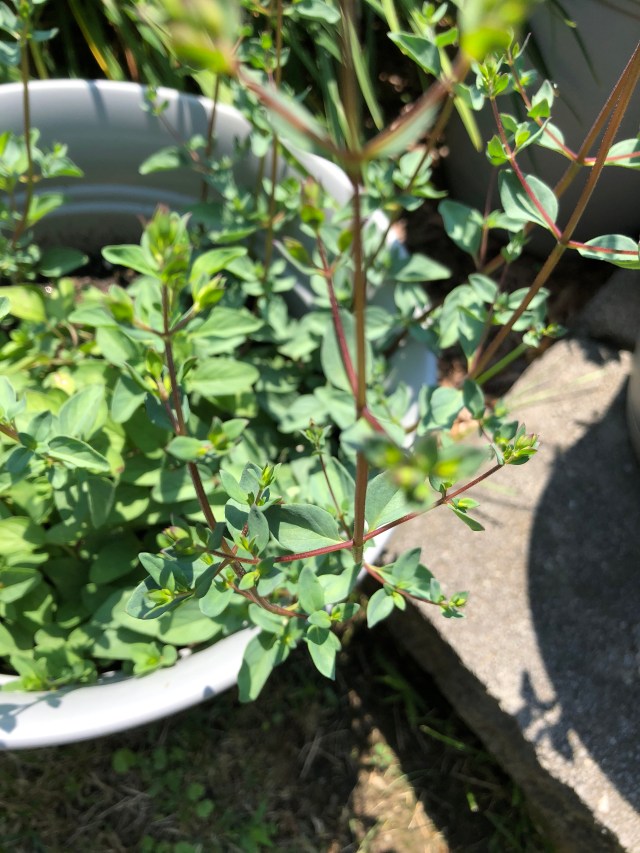
BELOW IS OREGANO
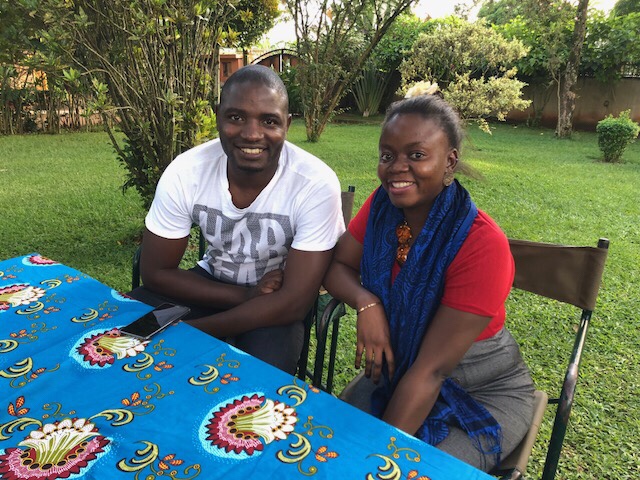
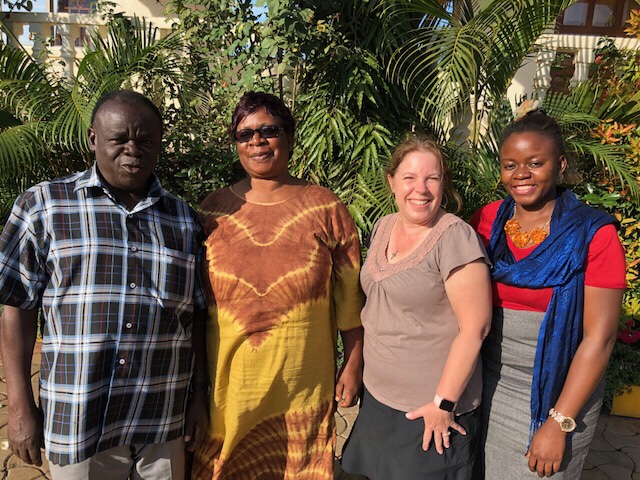

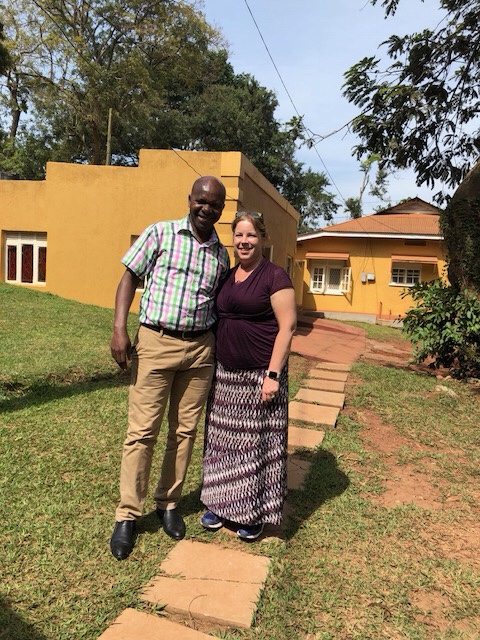


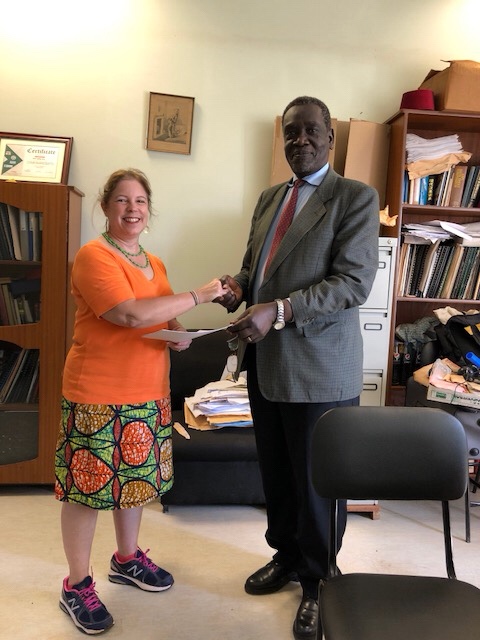 My day got off to an excellent start when I met with Professor Richard Odoi and hewas able to hand me a signed MOU (memorandum of understanding) to formalize the scholarly partnership between Makerere University College of Health Sciences and Binghamton University School of Pharmacy and Pharmaceutical Sciences. Yay!! Although I have been working with Professor and the School of Pharmacy for 7 years, the partnership needed to be sealed with this MOU to make obtaining future research approvals go more smoothly. Speaking of that, we had a great conversation and planned our next project in building capacity for pharmaceutical care to improve patient health and safe medication use.
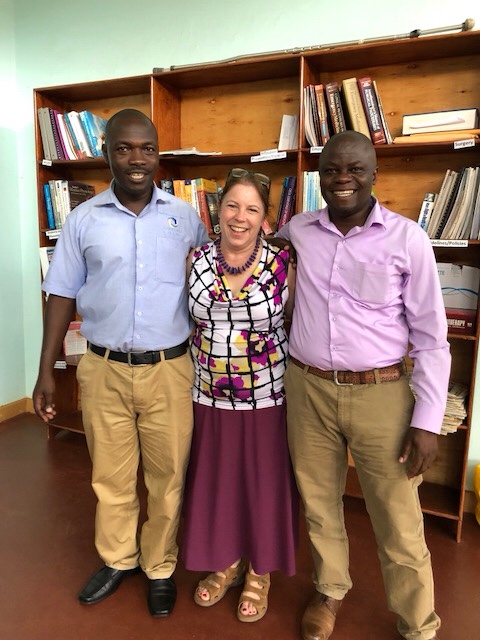
 I also met with Winnie and Kalidi, both pharmacy faculty who are applying for a unique opportunity for a 1-yr fellowship for junior university faculty to jumpstart a research agenda while being mentored by a senior faculty. They are both excellent ideas that would help improve drug use and patient outcomes in Uganda. I won’t reveal them as they are competing for this opportunity with many other faculty.
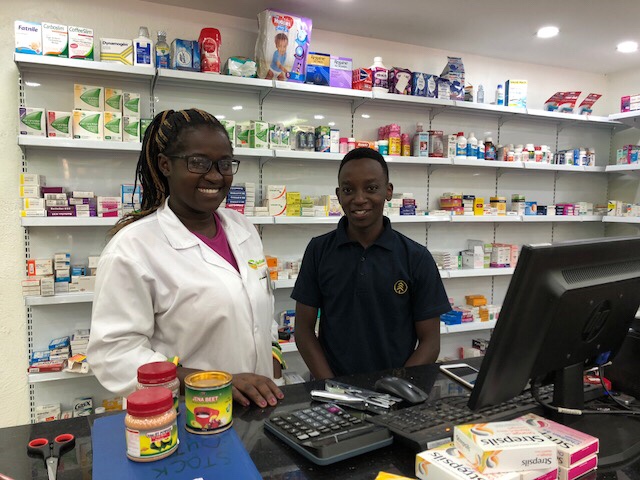
 Later in the afternoon, Gonsha, one of the Ugandan Pharmacists who studied with me in the USA back in 2015 brought me to see her pharmacy and to her new house. The last time I had seen the house it was basically a pile of bricks! She now has basically a compound house with 2 Full and separate living areas. She also has her own medicinal herb garden which was especially interesting since I’m teaching a complementary and alternative medicine course this fall. She showed me all of the herbs she has and explained their uses. We also shared a delicious meal of chicken stew, rice and matooke (mashed banana). Her maid had purchased the chicken at the market today, prepared it, and cooked it. Talk about fresh food!!
 Last evening, after returning from Masindi, a friend, Lydia, took me to dinner at a beautiful restaurant in the sky–at least it seemed like we were way high in the sky over Kampala. The view was spectacular but unfortunately with the dim light and only a phone camera, I couldn’t get a photo to express what I was seeing. The hotel and restaurant is actually called The Skyz–a very appropriate name!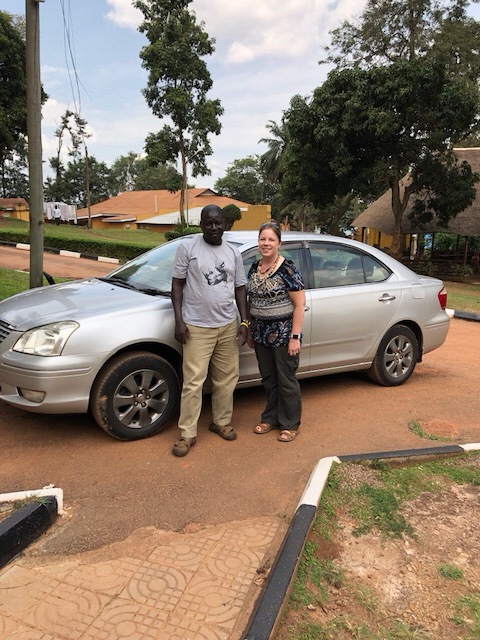








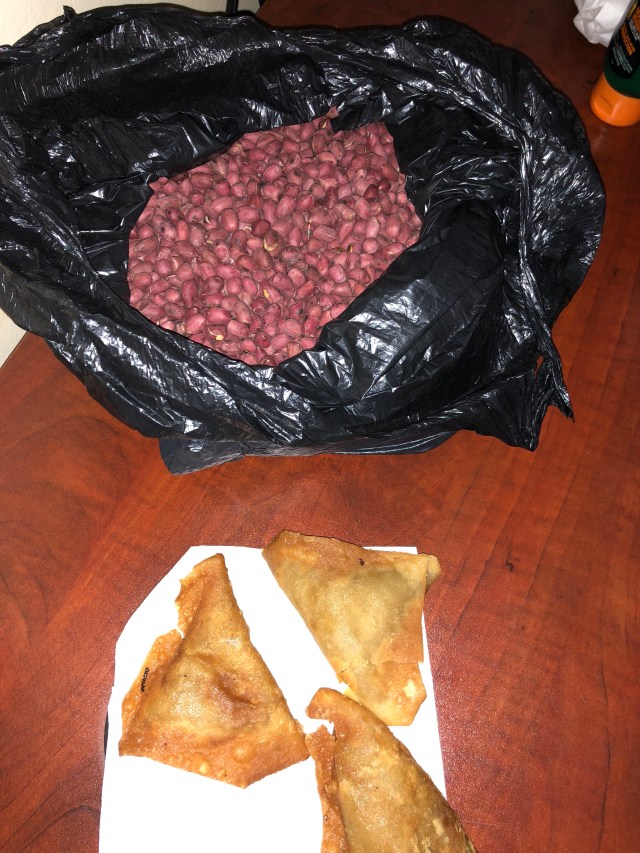 I didn’t take any photos today but let me leave you with one of the snack I had last week. This shows two of my favorite Ugandan foods: samosas and g-nuts. G-nuts are “ground nuts” which are roasted like peanuts but much better. They pack a nice crunch. Samosas are meat or veggies in a pastry. I’ve had them in the States but these are better- crispier.
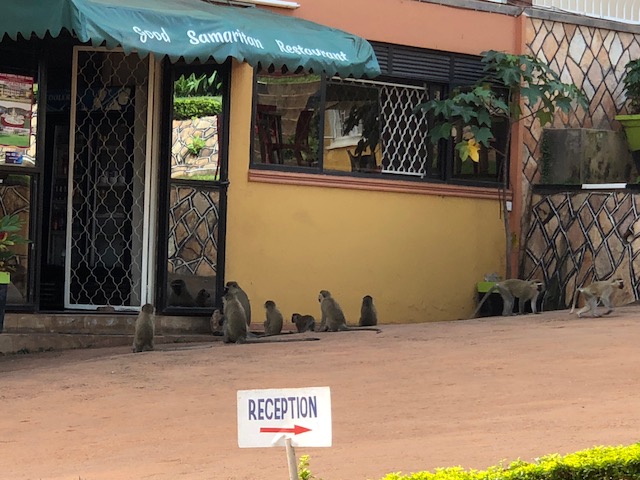 Yesterday the monkeys were going crazy on the lawn as I sat and watched them from one of the cabanas while I enjoyed one of the truly delicious Cokes they have here. Yes, it is definitely different and better than the Coke’s in the USA.


 Out of the Pharmacy Classroom and Into Africa