Playing Ball with Children in Mboira, Masindi District, Uganda

Playing Ball with Children in Mboira, Masindi District, Uganda

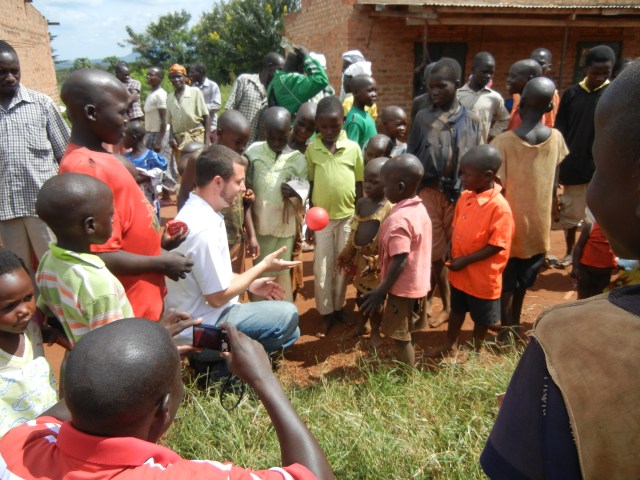
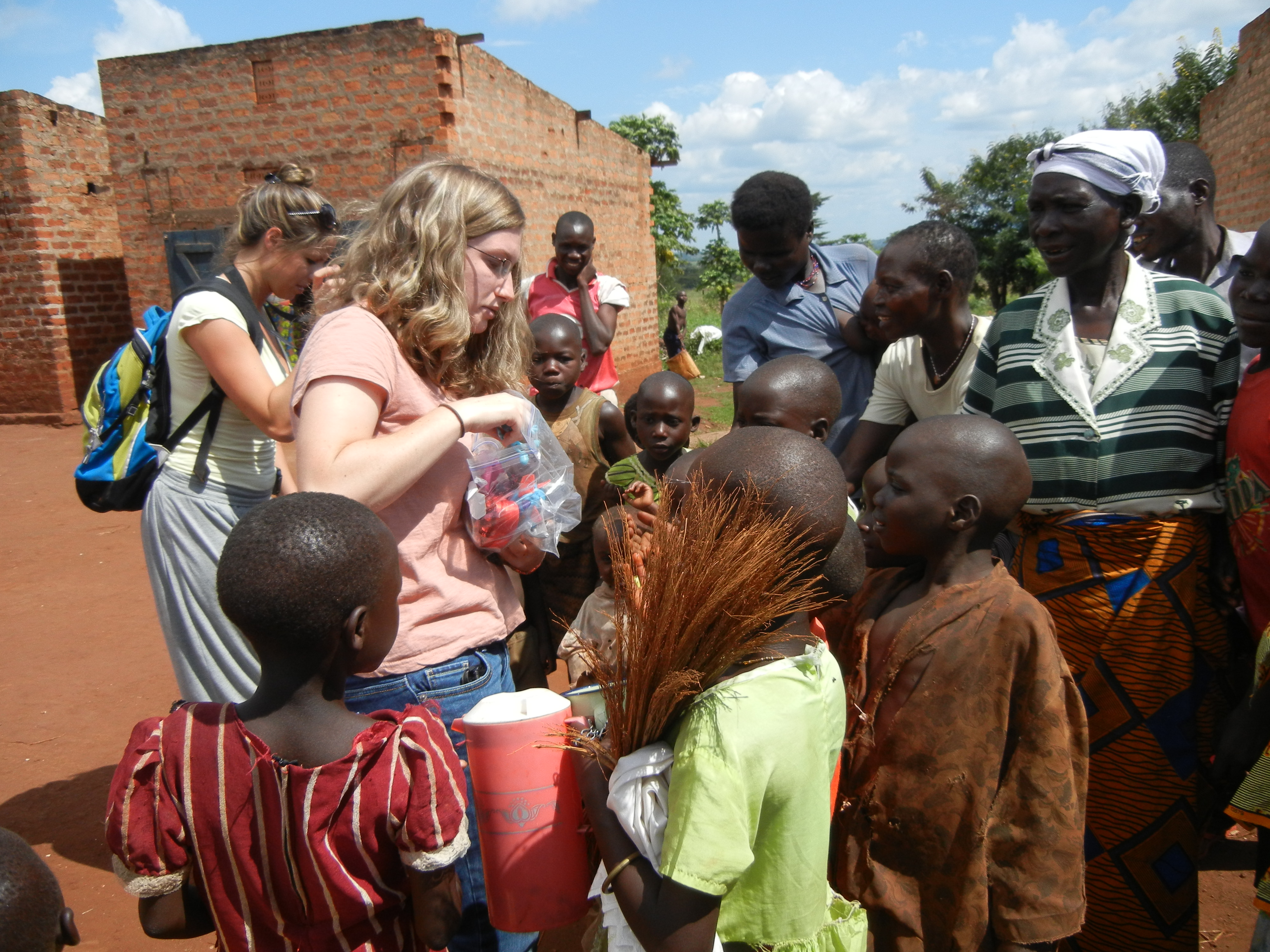
Mike, a Wilkes Student, plays ball with children in Mboira during our Fall 2012 visit to Uganda. This was one of the villages that participated in the focus group interviews in Summer 2011 to help evaluate the health concerns when they have no access to safe water. They are now proud community partners with The Water Trust (an NGO) and have a new well.

Posted in My Safari (My Journey/Adventure) | Tagged , | Leave a comment

Pharmacist Benjamin at the Uganda Cancer Center

Pharmacist Benjamin at the Uganda Cancer Center

Wilkes Students (and a student from the University of British Columbia) listen to the Uganda Cancer Center Pharmacist explain how he has helped to improve the safety of Oncology Drugs for Ugandan Patients

Posted in Diseases/Health | Tagged , , | Leave a comment

Last Days in Uganda

I’m writing this post from the beautiful Entebbe Airport Guesthouse.  I have arranged for our group to stay here tonight since we have an early flight out of Uganda tomorrow.  I had the opportunity to stay here last year for the same reason and the accommodations, food, and staff were so inviting I decided to make it an annual event when I travel to Uganda.  Once you enter the gates of the complex, it feels like an Oasis from the noise and bustle of the busy road from Kampala to Entebbe.  The flowering plants are as colorful as the many bird songs that fill the courtyard.

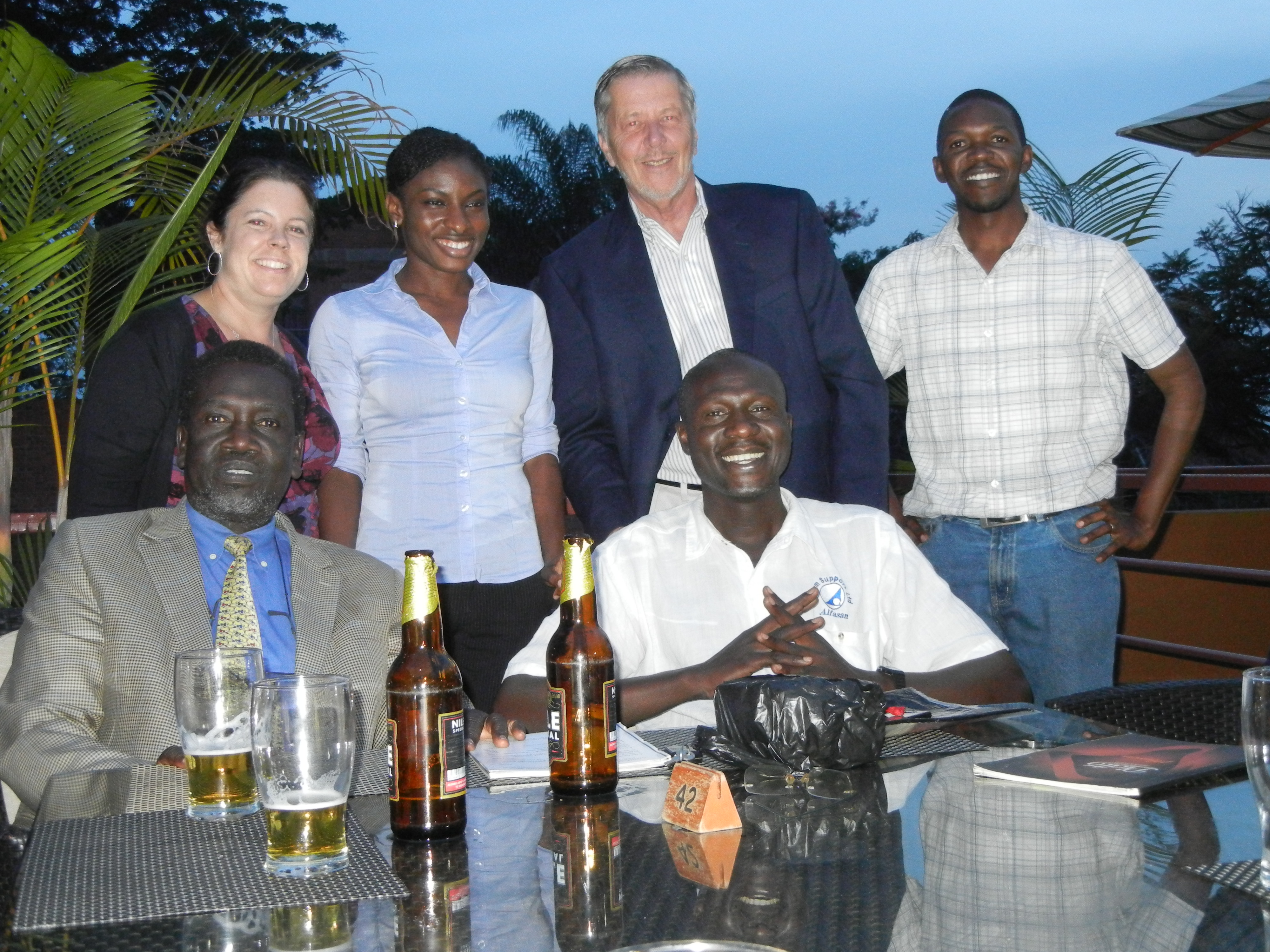
Last night was our final one in Kampala. We celebrated the meeting of new friends as we gathered for a meal together at a restaurant called Piato.  The group included faculty and staff from Makerere Pharmacy School, faculty and students from D’Youville College School of Pharmacy in New York and the Wilkes Pharmacy School group.  D’Youville had just arrived last Sunday and I was so happy that it just was coincidence that our trips overlapped.  

This gave us an opportunity to meet and talk over all I had learned in the past 4 weeks about pharmacy practice in Uganda and develop future plans for a joint effort to assist Makerere and Uganda in developing and implementing Pharmaceutical Care practice for pharmacists.  We all had a delicious meal.

Then this morning, we all met again with

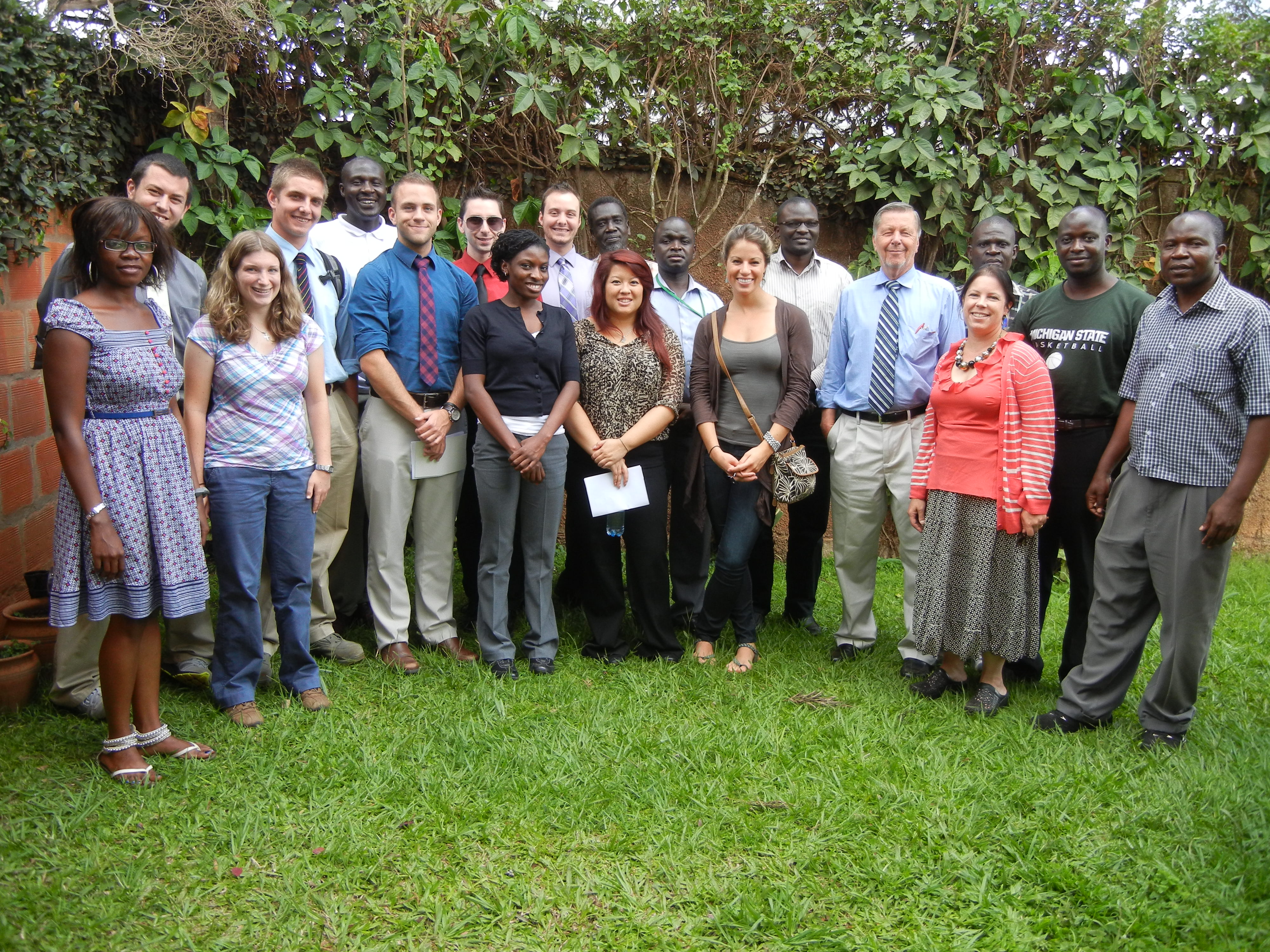
the Secretary of the Pharmaceutical Society of Uganda and several other pharmacist members to learn more about the regulations regarding pharmacy practice in Uganda and talk over their current plans for implementing Pharmaceutical Care.  It really gets me excited to hear their passion for advancing the care that pharmacists provide in Uganda.  By the end of the meeting we all agreed that we will continue these talks and figure out how Wilkes and D’Youville can assist the PSU and Makerere in this process.  Personally, I hope that I can find a grant to get back here in less than a year so together we can develop and pilot a small scale project that will give us more information about how to proceed with changes to both the undergraduate pharmacy curriculum as well as how to train already licensed pharmacists so that the practice sites can be further developed.  It is important to develop some level of provision of pharmaceutical care in practice sites (hospitals and community pharmacies) with already licensed pharmacists simultaneous with curricular changes because experiential training within the program is necessary so that upon graduation students will have developed and practiced the skills they will use in their jobs.  In other words, they will be ready to go and fully trained.

Although I am sad that my time in Uganda has come to an end, I see only great hope for the future ahead for this collaboration and I am confident that I will soon be planning my next trip back here.  In the meantime, we will keep in close contact via email and continue the discussions we’ve started.

Many thanks to all who have guided me and my students during this trip and have let us be changed by working with you-  Makerere University School of Pharmacy Faculty, Administrative staff, and students; Pharmacists and Pharmacy Interns at Mulago National Referral Hospital; the Secretary and Pharmacists of the Pharmaceutical Society of Uganda; the staff and program director of The Water Trust; the staff and medical officers and other healthcare professionals at TASO-Masindi (The Aids Support Organization); the manager and volunteers of the Masindi Branch of the Uganda Red Cross; and the administrative staff, medical officers, and other healthcare professionals at Masindi Kitara Medical Center.  It was great fun and a wonderful learning experience!

I’d like to give a final thanks to the Wilkes pharmacy students who accompanied me on this trip.  Their excellent work ethic, knowledge and skills were instrumental in getting this first Global Health APPE rotation off to a good start. And the many long discussions we had were really helpful in figuring out what could be done to help implement pharmaceutical care in Uganda.

Oh, don’t worry, this blog doesn’t end here…I still have many more entries yet to come with more animal pictures from Murchison (one entry will be a special on birds) and I will continue to chronicle this program as I move forward to develop plans to work again in Uganda at Makerere and Mulago Hospital to work towards Pharmaceutical Care implementation.

Posted in My Safari (My Journey/Adventure) | Tagged , , , , , , , , , , , , | 4 Comments

Time to Leave Masindi, Uganda

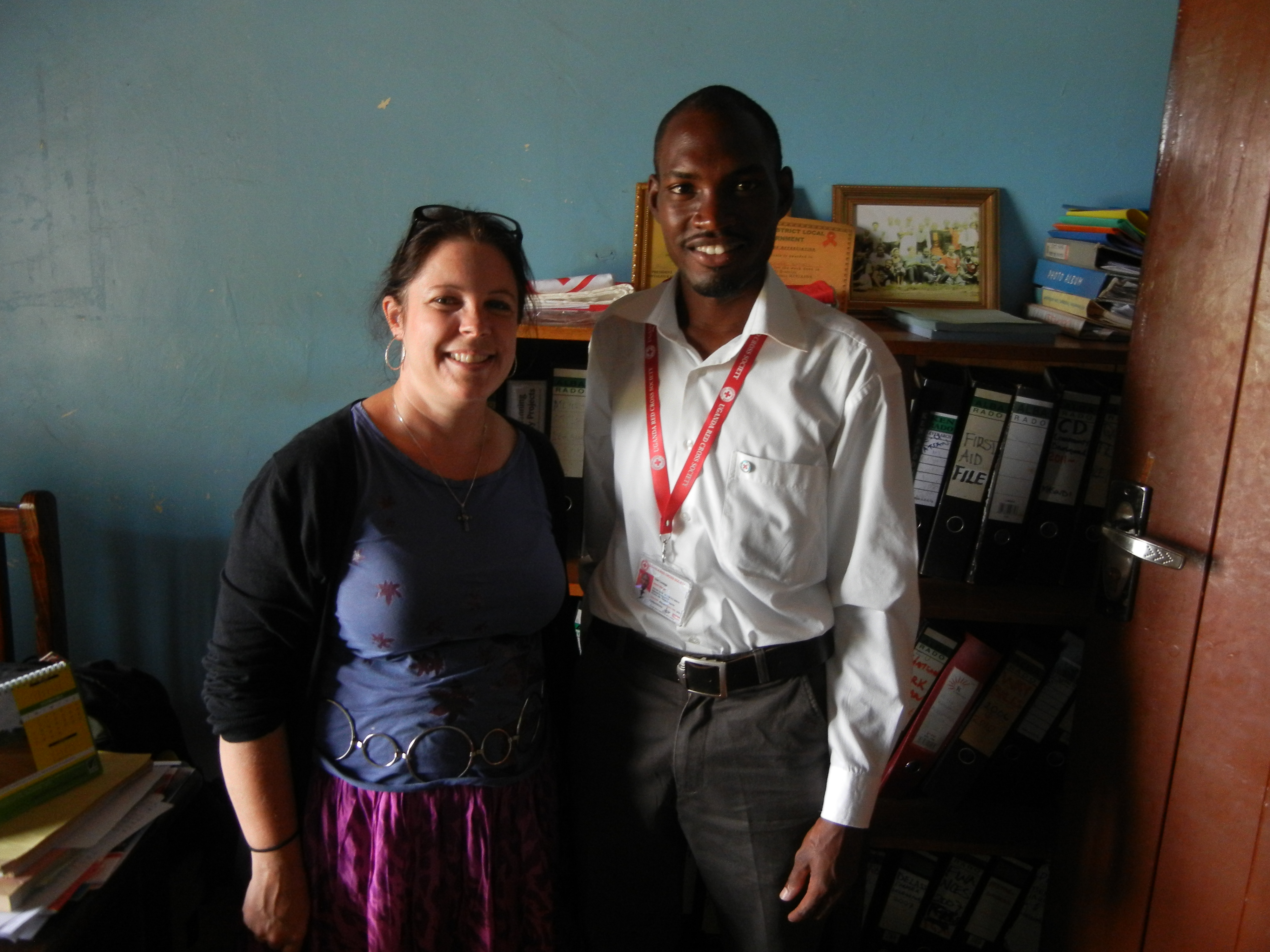
I can’t believe that my 4 weeks in Uganda are nearing an end.  My students and I are leaving Masindi tomorrow and heading back to Kampala. We will have some meetings there regarding future plans and then leave the country on Sunday.  It has been a fantastic trip all around.  I spoke with the students tonight at dinner and although they are ready to head home, they all agree the trip was definitely worth it and they are glad they came.  They really enjoyed working with all of the organizations in Masindi and they learned so much.  They highly recommend continuing all of the activities with the Uganda Red Cross, the Masindi Kitara Medical Center, and TASO (the aids support organization).  My research and activities with The Water Trust went really well also.  Masindi is a wonderful place and although I am sad to leave because I will miss all of my friends (both those that I met last year and the new ones from this year), I do know that I WILL be back and coming back will be so pleasant because of all of the wonderful people here.

I’ve included pictures here of just some of the people we’ve worked with.

Posted in Uncategorized | Tagged , , , , | Leave a comment

On Safari at Murchison National Park, Uganda: Day 1

28 September 2012:  A Post by Stephanie Baun

Friday was a day we had been looking forward to our entire trip, as it was the day we would head to Murchison Falls National Park.  After a long, hard night of rain, we woke Friday morning slightly concerned about the weather and our upcoming safaris.  Our driver picked us up around 10am in a large white safari van complete with a pop-up roof, ideal for taking photographs.

The park entrance was approximately 21 km from our hotel; we were required to pay a park entrance fee at the gate of $35 USD/24hours.  Once inside the gate, we had to drive approximately 85 more kilometers on the uneven, bumpy road to the ferry, which would take us to our hotel, Paraa Safari Lodge.  However, getting the ferry requires some planning because it only crosses the Victoria Nile in one direction, once every hour.  Since we were only able to cross the river to get to our hotel at noon and 2pm, we decided to stop along the drive at the top of Murchison Falls.

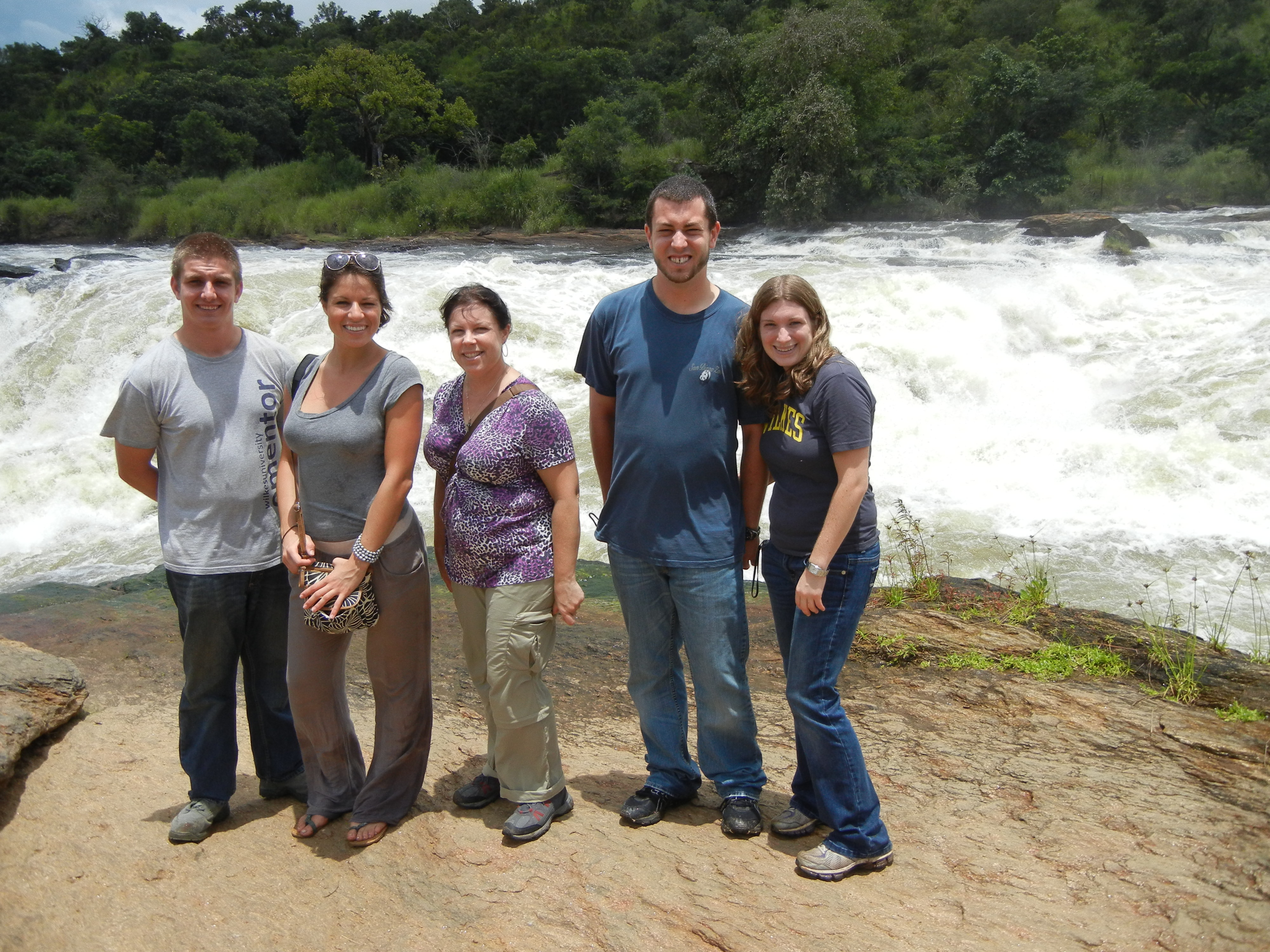
As soon as we stepped out of the car we were able to hear the roar of the falls.  Following about a five-minute hike, we were able to see the falls as well as feel the refreshing mist from the water.  From the highest outlook, we were able to see the cascading falls to our right and the Nile River flowing to our left.  It was a great opportunity for photographs; however, the mist from the falls was so heavy it was difficult to snap a photograph before my camera lens was covered in water.

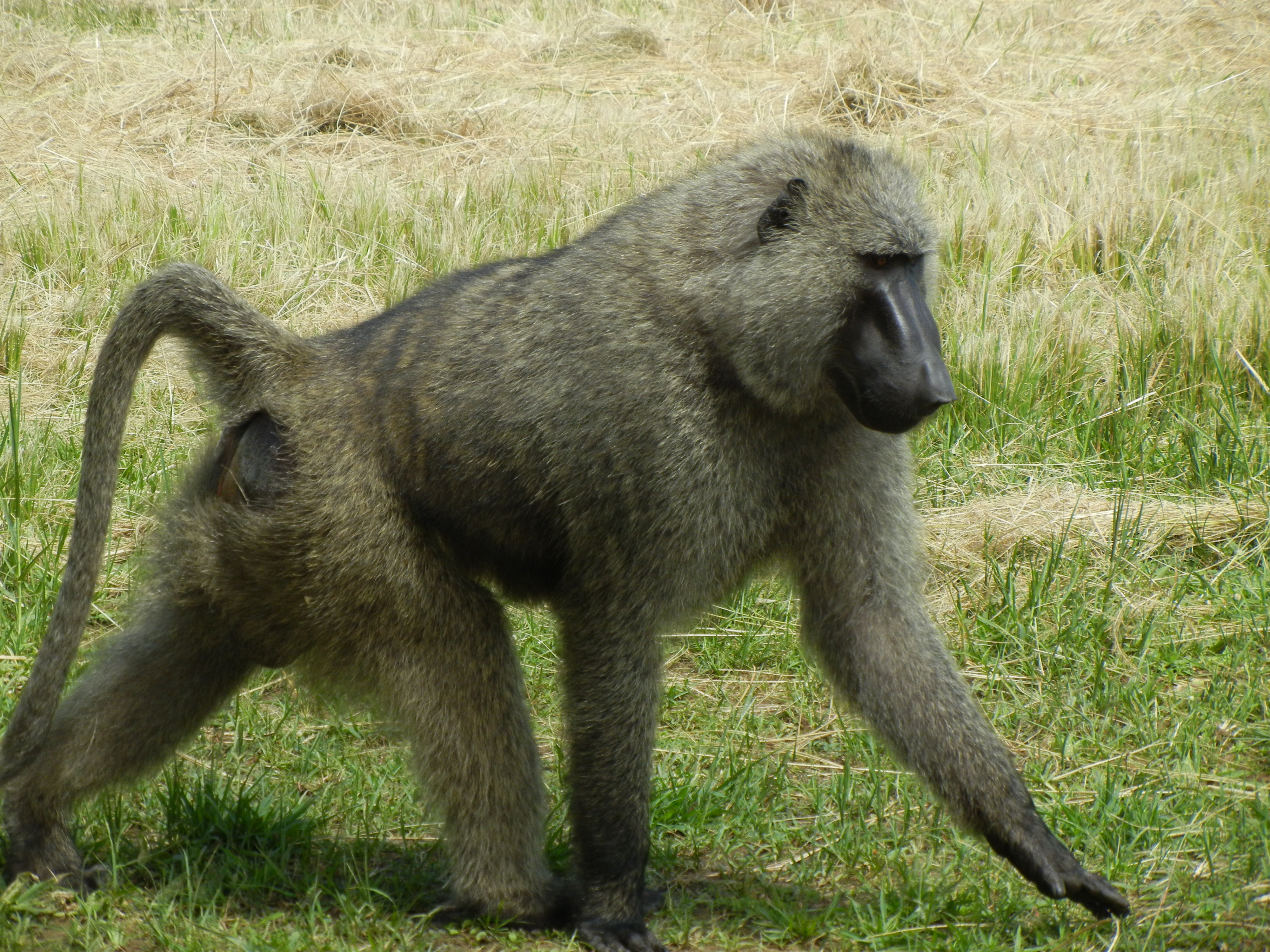
We arrived at the ferry in time for the 2 o’clock crossing.  The ferry was similar to a barge, holding 8-10 cars; it took just about five minutes to cross the Nile to where our hotel was located.  Once crossed, we noticed a few baboons walking amongst the tourists.  They seemed very tame and didn’t seem to be bothered by us but I was a little nervous to be so close to them!  There were about 15 in total, and several were just 10 feet away from me!

Once checked in a Paraa Safari Lodge, we grabbed a quick lunch and got ready for our first safari game drive at 3pm.  We had a National Park guide come along to tell us about the animals, as well as help us find all the animals we wanted to see!  The safari was incredible; I felt as if I was watching a movie!  Within the first hour we saw giraffes, hippos, warthogs, water buffalo, as well as several species of antelope and birds.  Seeing the giraffes in their natural habitat was amazing; they were definitely my favorite!  Our guide told us that their hearts weigh around 10kg, about 22 pounds!  Their hearts have to be so large in order to pump their blood all the way up their long necks.  Because of this, they never lay their heads down, even when they are sitting.

Although, we had already seen many amazing animals, we were determined to find elephants and lions, and our guide was willing to help us.  We were told that the lions often stay in the brush during the daytime heat and do the majority of their hunting in the evenings and nights.  We drove to several brush locations where the guide thought lions might be.  Our drive drove the van right up next to a large brush area so that the branches were poking through our windows.  The guide slid open our van door so we were able to peer through the brush, and sitting there were a male and female lion!  It was too difficult to take pictures through the thick brush, but we were still happy to be able to say we saw two lions on our safari!  As it began approaching sunset, we started to head back to the hotel, losing hope of seeing an elephant.  When we were almost back, our guide pointed ahead to a herd of 4 elephants walking through the grassland.  It looked like a photo; tiny birds were perched on the elephants’ back as they slowly marched ahead.  The guide informed us that the birds weren’t just hitching a ride, but actually picked parasites off of the elephants’ back.  We arrived back at the lodge around 7pm, our 4 hours of safari was very successful as well as exciting and tiring!  After dinner we were all ready to get to bed and rest up for the next day’s adventures!
Posted in Uncategorized | Tagged , , , , , , , , | Leave a comment

Quilts for Africa

20121001-190732.jpgHello, I know it has been a few days but the group has returned from our Safari to Murchison Falls, Uganda. It was raining on our way up but once we got about 40min into the park it cleared up and we had great weather. The trip was fabulous but more on that tomorrow from Stephanie. Paraa Lodge had wi-fi in some areas but when I was in my room, my USB modem could only pick up “E” rather than a 3G network, which wasn’t strong signal for a post. Also, I was so worn out from our activities… We took a boat ride down the Nile and then hiked up to the falls. I made it, but was much more pooped out than the students. When we returned to Masindi, we found out that there was no electricity. Unfortunately my phone, laptop, iPhone and camera were just about dead and the generator had broken down. Once it got past 7pm, it was totally dark so I basically went to bed quite early. Today, still no electricity, so I had to pay a gas station to charge my phone. Also, luckily, The Water Trust manager let me work at their office and use their generator to charge my laptop. Also, today I met with the Masindi District Biostatistician and was able to get most of the data I need for my water research. Yea! But, some of it could only be saved in Microsoft One Note format so now I have to figure out how to convert the files.

Quilts For Africa: This year along with the Little Dresses for Africa, my good friend’s guilt group, the T-Rail Quilt Guild in Danville, PA volunteered to make quilts for me to bring to the Church of Uganda’s Women’s Hope Mission. (I don’t think that is quite the right name but the group is run by the Rev. Evas who helps the community in many ways such as helping dropout teens get work training, supporting widows, and providing education and support for new mothers.). Here are a few pictures. The women were overjoyed that I came back to visit them again this year and grateful
accepted the quilts.

20121001-191549.jpg

20121001-191747.jpg

20121001-191813.jpg

Posted in Pay it Forward Projects | Tagged , , , | Leave a comment

Awaiting Safari Day

Hi all- this is just a really quick post (because my computer power is waning) to let you know we are all eagerly waiting to embark on our safari to Murchison Falls National Park, Uganda tomorrow.  This will be our last full weekend in Africa. It is amazing how quickly this time has gone.

Today I woke up to LIGHT- the electricity was on. For the first time in days I was able to dress and get ready without using my flashlight.  But, the excitement was short lived because by 8:30 or 9am it was already off and only returned a couple of hours ago.  Now I have only 1 outlet with which to charge my laptop, iPad, iPhone, Uganda mobile phone, and camera.  Yeah- I know this sounds crazy but all of these things have served me very well in different ways.  Today I’ve been busy working on a project for The Water Trust. TWT is an NGO that works to improve access to water and provides sanitation and health education in Masindi District, Uganda. They began working here in 2008 helping  communities who desire better water to dig shallow hand dug wells and install latrines.  My project is two-fold. First of all I’m doing research to see if access to safe water is improving the health of villagers and second of all, I’m researching water testing supplies to help them find a more effective, reliable, and economical way to test for bacterial contamination (coliform and E. coli counts).  I learned about their current process today and it is quite cumbersome and because of the many steps in the process that use reusable equipment, there are many potential sources of contamination which could lead to false positive results.  Anyway, with the help of my brother, Tom Heikkinen (General Manager at the City of Madison, WI Water Utility) and his colleagues as well as the help of Brian Oram, Geologist and Soil Scientist of BF Environmental, I have learned a whole lot about water testing and have identified some potential products. Now I will need to contact the companies for prices and availability.  So far I have identified the 3M product, Petrifilm EC Counts (E.coli and coliforms) and the Colilert test by IDEXX.  The former is less expensive but I don’t think it is officially approved for water safety testing- just for food and dairy.  If anyone out there has any advice or knows of other products that can be economical as well as reliable and easy to use for water testing in rural Africa, please leave a comment.

Hopefully I’ll be back in a day or two with some nice animal pictures from our game drives at Murchison Falls.

Posted in Diseases/Health, My Safari (My Journey/Adventure), Research | Tagged , , , | 1 Comment

Pharmacy Students Help Red Cross Educate to Prevent Cholera

The post for today is written by one of the pharmacy students but before that, I wanted to let you know how cool it has been today. You hear “Africa” and think “hot”, or at least I did. Tonight, though here in Masindi, Uganda, we are all sitting outside eating our dinner wearing at least long sleeves and long pants and some of us are in sweatshirts.  And we just ordered hot chocolate! We had a big thunderstorm overnight and then its been cloudy most of the day with some additional rain.  I don’t have a thermometer, but it probably around 64-65 but the dampness makes it seem cooler.  It is hard to believe that yesterday I walked all over town and was sweating horribly by the time I got back to the hotel and tomorrow it is probably more likely to be hot than cool.  Another interesting Uganda fact is that they have 12 hours of daylight and 12 hours of night so it doesn’t get light until about 6:30am and it is totally dark by 7pm.  Ok, on with Melissa’s blog…

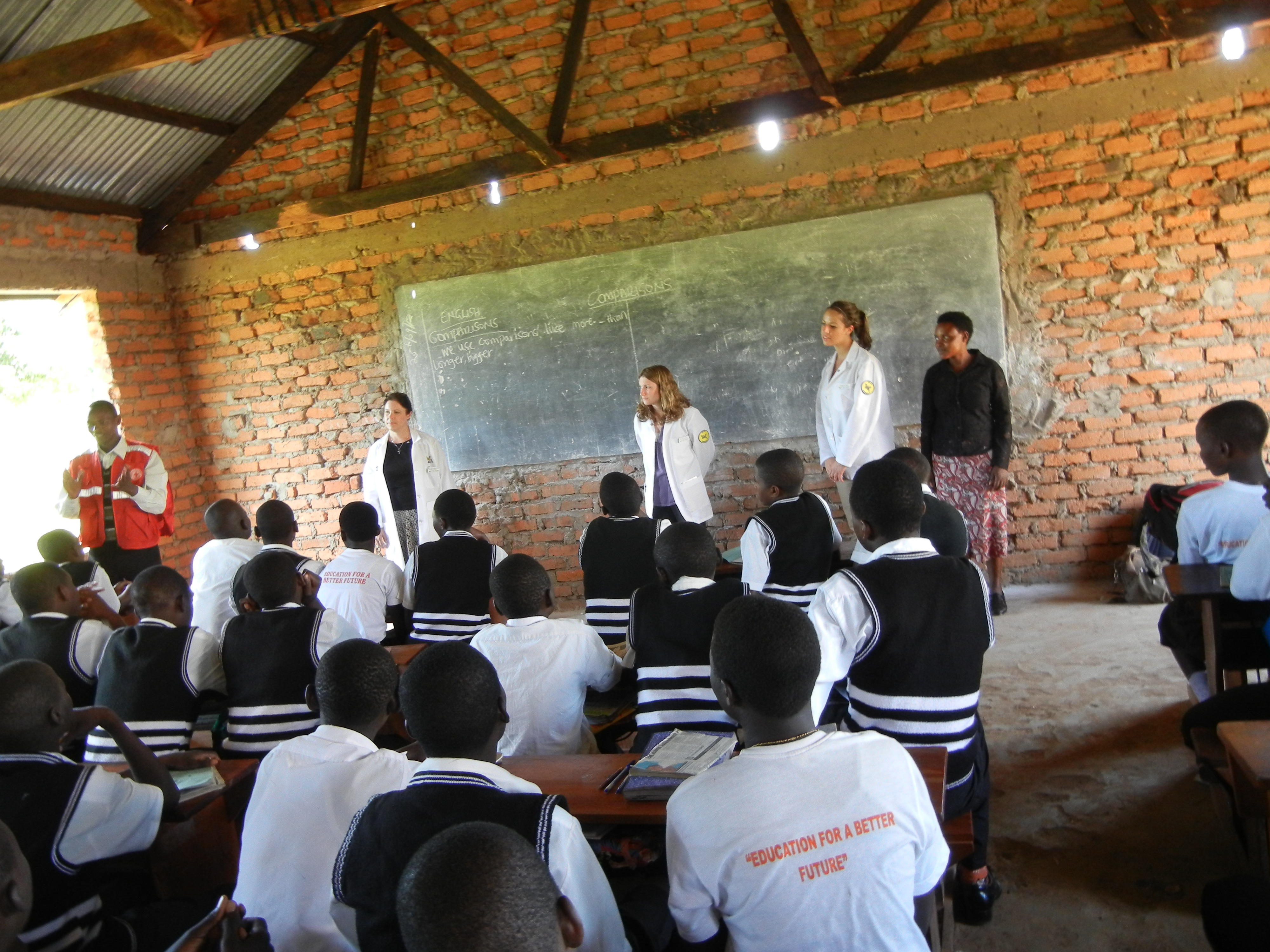
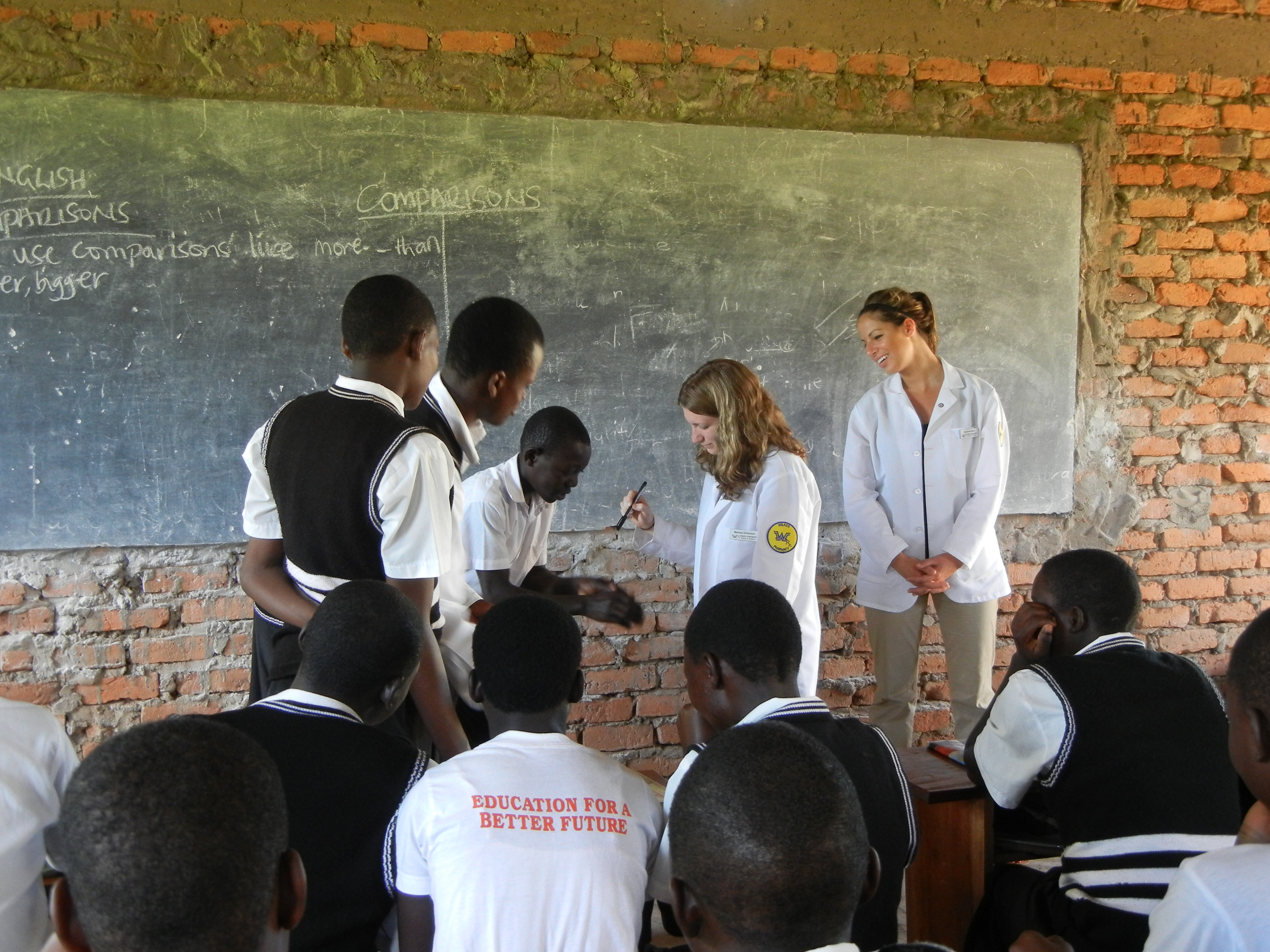
Blog Post from Masindi, Uganda by Melissa Dickerson

As we began our first week in Masindi, I was fortunate enough to volunteer with the Red Cross of Uganda. For the past two days Stephanie and I have traveled to several different schools in the area to provide cholera education. We visited two primary schools (grade 1-7) and two secondary schools (grade 9-12 and A levels).  In Uganda, after grade 12 (known here as senior 4) students who are motivated to go to University must pass an exam to continue onto A level. If their scores are good enough in A level they can then move on to University.

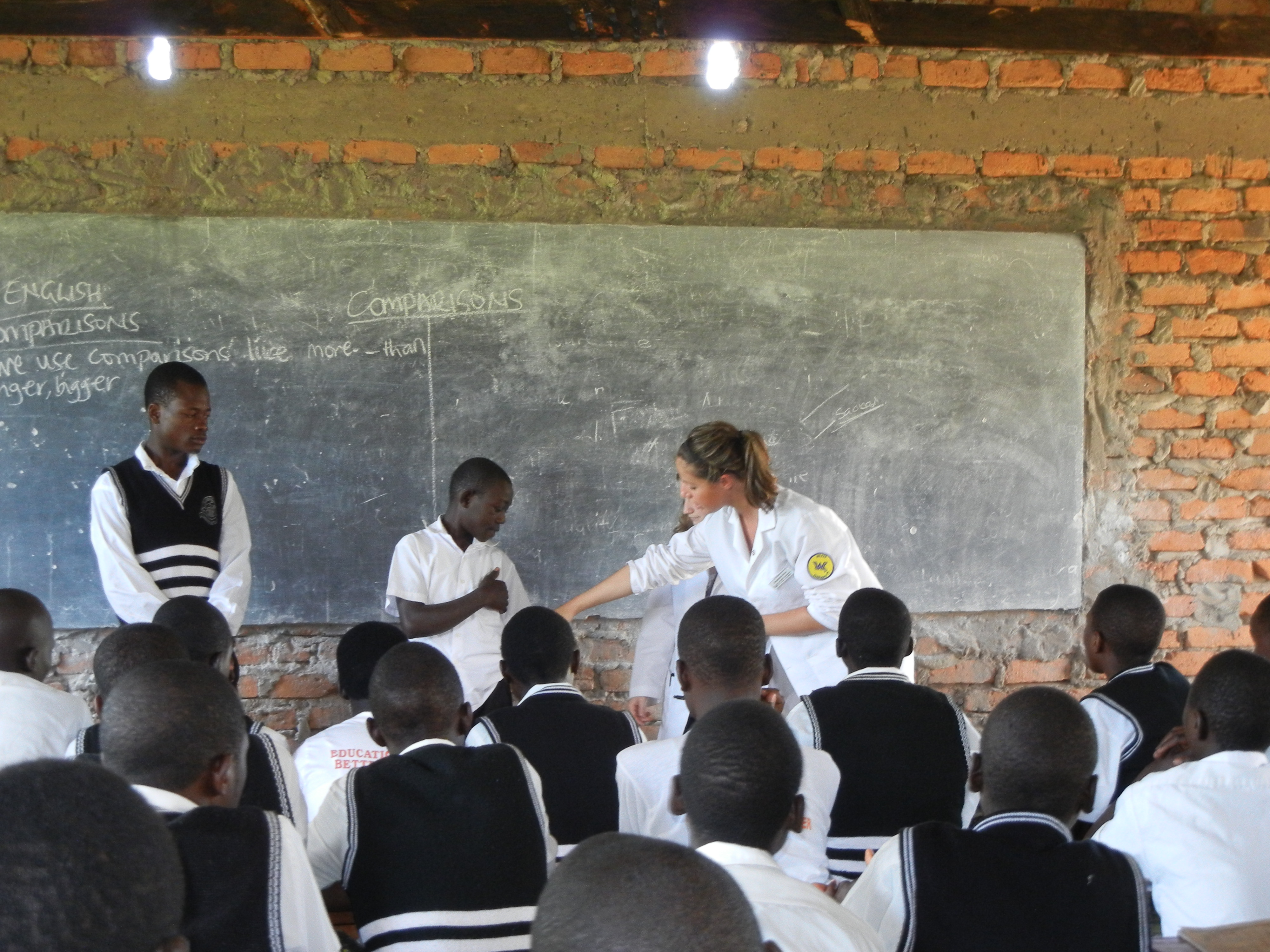
Although there is no current outbreak of cholera near Masindi, it is important for people to be educated about cholera, how to prevent it, and what to do if someone gets cholera. Making the session as interactive as possible, we spoke with the school kids about what cholera is, how it is transmitted, the signs and symptoms of cholera, causes, prevention, and treatment. The main focus was on good personal hygiene, drinking clean boiled water, proper hand washing, using the latrine, and eating clean, well-cooked food. The children were very respectful and we received very good participation from almost all of the grade levels (especially the younger levels). We were greeted by all the heads of the schools who welcomed us kindly. Although in Uganda they learn English in school and almost anyone who has had schooling speaks English, as foreigners we seem to have an accent. A member of the Red Cross accompanied us to the schools to help translate into the native dialect as needed (this was mainly only needed in the very youngest children).

I was very impressed with some of the children’s knowledge of cholera, proper sanitation, and disposal of wastes. I do feel that our visit was a good reinforcement for good hygiene practices and everyone learned something new from our presentation. Out of all the classes only 1 person could demonstrate to us how to properly wash their hands. Proper hand washing includes washing with soap and clean water, scrubbing for at least 15 seconds, cleaning under your finger nails, washing the exposed skin on your arms, and letting your hands air dry (not wiping on clothing). At the end of the discussion we took questions from the students. I was impressed with the questions we were asked, such as ” if you use your dirty hand to turn on the water tap, and then use your clean hand to turn if off, won’t you get those germs on your clean hand?”

Mike and Ben will continue the education on Wednesday and Thursday in 4 different schools.

Below is a video in which a student demonstrates near perfect handwashing technique. The only thing she missed is that all of the exposed skin on the arms should have been washed, but this was the best demonstration of the day!

Posted in Diseases/Health, My Safari (My Journey/Adventure) | Tagged , , , , , , , | 1 Comment

Patient Care Experiences at Masindi Kitara Medical Center, Uganda

Blog Post from Masindi, Uganda by Michael Maccia 

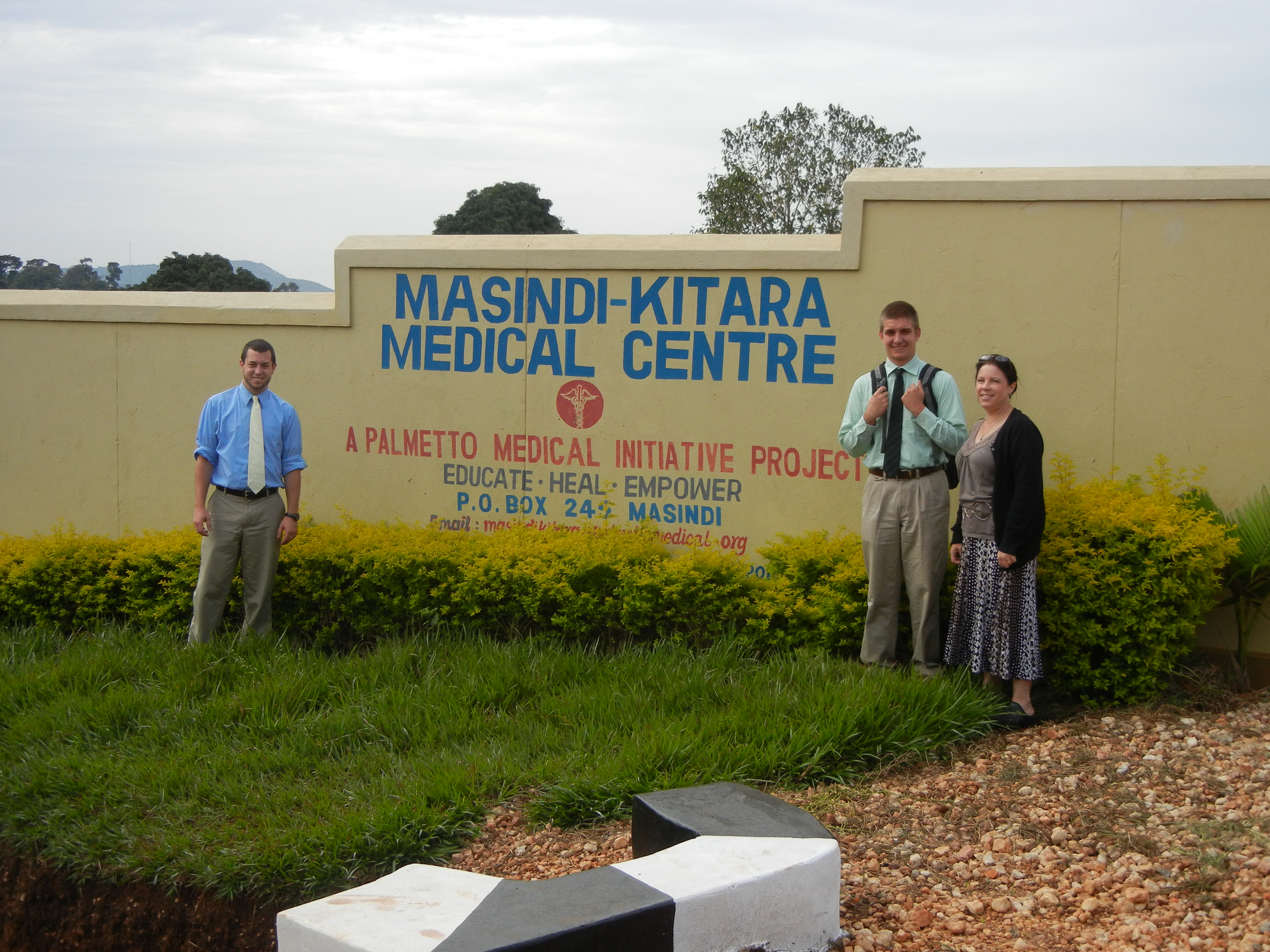
Beginning this week and continuing next week, we are working with the Masindi Kitara Medical Center (MKMC). On Monday, Ben, Dr. Bohan, and I met with Newman, the business director of the medical center. He gave us a tour and a brief history of the clinic. The clinic was started by the Palmetto Medical Initiative, which is based out of South Carolina. The Medical University of South Carolina has been running medical missions for many years in Uganda, using both students and licensed healthcare professionals. The mission would come for a week and see about 300 patients a day, but when the week was over, there was no follow up. The organizers decided to start the MKMC to be able to provide follow up after the mission group left Uganda.

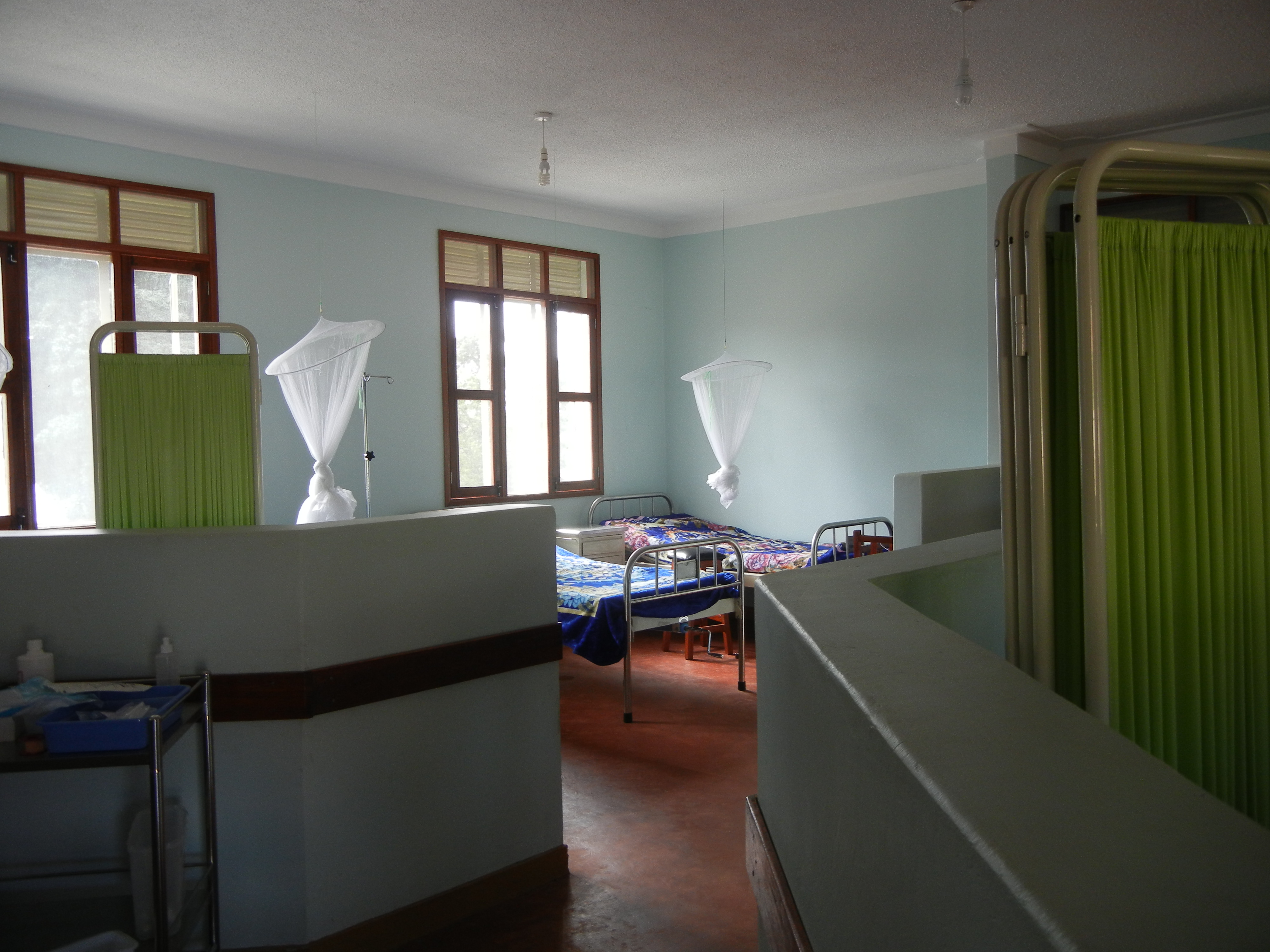
Masindi Kitara Medical Center is funded in two ways. Private donations from the United States have paid for buildings and capital purchases.  Operational costs are paid for by patients paying for visits, lab tests, inpatient visits, and drugs. An outpatient visit is equivalent to 4 US dollars and most lab tests were 1-2 dollars. The clinic currently has 3 buildings, but there are more planned in the future. The main building is an outpatient clinic with consultation rooms, a lab, and a pharmacy (The clinic does not have a pharmacist on staff, but have trained a nurse to dispense medications). Another building is an inpatient unit with 16 beds and a brand new labor and delivery building with 2 operating suites. The clinic saw its first patients 18 months ago.

After getting a tour of the facility, I began to observe outpatient clinic visits with Dr. Dan. Most of the patients I saw were children with malaria, but I also saw a 71 year old women with asthma and hypertension. Even after the first few visits, I could tell the physicians were compassionate, knowledgeable, and strive to work within their means to provide quality care. After the physician or clinical officer (like a physician’s assistant) saw the patient, they would send them to the lab, if necessary. The patients would get the lab results within about 15 minutes when they would have the final visit with the physician and they would write for any medications. The patient could then go to the pharmacy to get their medications. It was also surprising to see the language barrier experienced at the clinic. The physician is from Uganda, but he needed multiple nurses to help him translate some of the dialects so he could effectively communicate with the patients. When the patients leave the clinic, they are given their medical record that they are supposed to keep and bring back for future visits. Most patients do not come with these and they are not good historians about their own medical conditions.

The next day we rounded in the inpatient ward with Dr. Dan. Again, most of the patients in this ward were children with malaria, but these children had a more severe infection and the physicians felt the children needed to be on intravenous medications in order to eradicate the malaria. There was an elderly female who had obvious pill rolling tremors, indicative of Parkinson’s Disease, but the clinic did not carry any medications to treat the disease, so they were going to have to refer her to Mulago National Hospital. Also in the ward were 2 children, one with diagnosed Sickle-Cell Anemia and one with possible Sickle-Cell Anemia. To confirm the diagnosis, the clinic was going to take the young boy’s blood to the local district hospital, since they did not have the ability to do a complete blood count to accurately diagnose the condition. One of the last patients we saw was a young girl who had a skin graft on her cheek. She has had 2 graft surgeries, one failed and one was successful. The first graft was taken from her leg, but did not get adequate blood supply post-surgery. She needed another surgery, this time they flew in a doctor from Germany and an American donor funded the surgery. To make sure the graft was successful, the surgeon branched the carotid artery to force a blood supply to the region. The girl was doing well after the surgery, but had a wound infection in her leg at the site of the first graft. The physicians were confident that she would make a full recovery.  I had a good experience my first 2 days at the MKMC and will look forward to my time there next week.


Posted in Uncategorized | Tagged , , , , | 2 Comments

1 Year Later: Returning to Rural Villages of Masindi District, Uganda

Today we took a road trip to the Villages of Iranda and Mboira.  I wanted to thank them for participating in my research (oral surveys that were conducted last summer).  It took about 45 minutes to reach the first village over red, dirt, bumpy roads.  The whole community gathered together. I think the Village Chairman thought I was going to ask them more questions but instead I just thanked them and gave him a photo book of the pictures I took of his village last summer.  I also distributed one-half of the Little Dresses for Africa that I brought with me.  These were made by women of my mother’s church, Good Shepard Lutheran in Hernando, Florida, as well as from my friend, Janel’s, quilt group- T-Rail Quilt Guild in Danville, PA.  The community was very appreciative. Melissa also brought along some toys to distribute. Finally, the Chairman showed us his new well with safe water. He says the village has been healthier since receiving it.  After we left Mboira, we when to Iranda.  I don’t think the Pharmacy students thought the roads could get worse, but the road to Iranda is quite narrow and even more filled with ruts than the main road.  It hardly seems like a vehicle can pass through the small opening between the crops on both sides of the road.  We found the Chairman’s wife at home but the Chairman wasn’t available so we gave the rest of the Little Dresses for Africa to her along with the photo book.  Her son is a Primary School Teacher and on our way home, he took us to see his school. Right now he is renting space in a building but it is hard to believe he can educate 67 pupils in this small place. He is hoping to soon have enough money to purchase land to build a real school.  Melissa had brought along some books in English that we gave him to help him in his teaching.

Posted in My Safari (My Journey/Adventure) | Tagged , , , | Leave a comment